On April 16, 2026, NASA’s Artemis II mission continues to draw global attention as the first crewed flight around the Moon since the Apollo era. The mission, which launched in late 2025, carries four astronauts on a 10-day journey to test the Orion spacecraft’s systems in deep space. While the flight does not include a lunar landing, it serves as a critical precursor to Artemis III, which aims to return humans to the lunar surface. Recent revelations from the crew have shed light on unexpected moments during the mission, including a smoke alarm activation that occurred far from Earth.
According to verified reports from NASA and international news outlets, the Artemis II crew experienced a smoke alarm trigger while approximately 130,000 kilometers from Earth. The event, described by astronauts as tense, was quickly investigated and determined to be a false alarm caused by a sensor anomaly rather than an actual fire. NASA confirmed that the spacecraft’s environmental systems functioned as designed, and the crew remained safe throughout the incident. The agency emphasized that such alerts are part of the rigorous safety protocols built into Orion to protect astronauts during deep space missions.
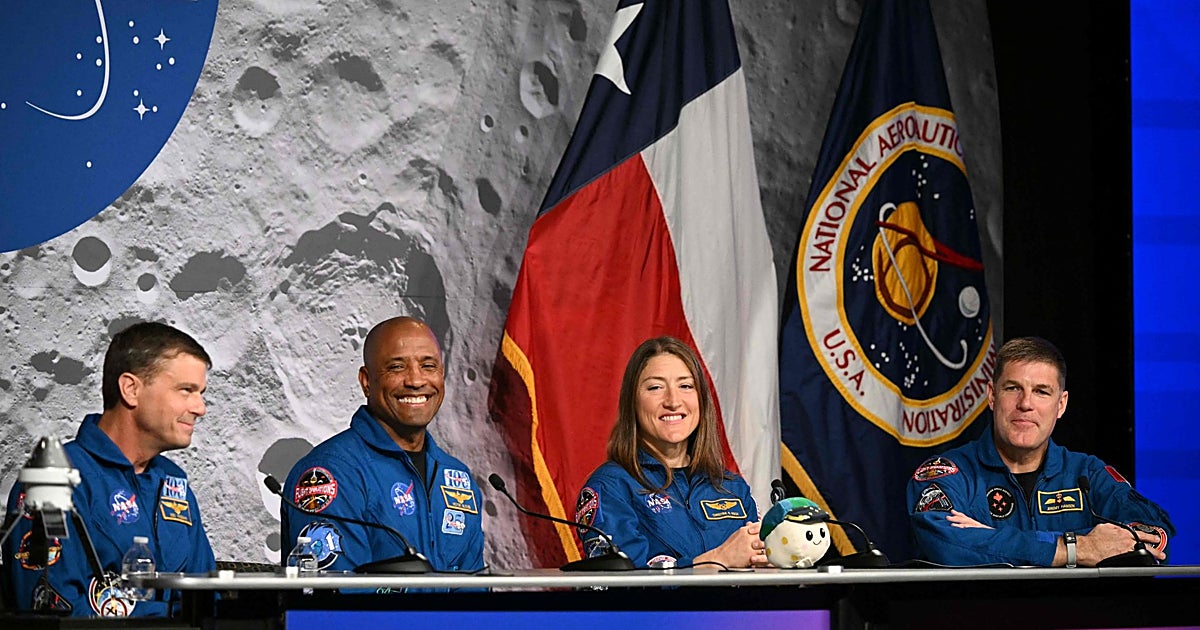
The Artemis II crew consists of NASA astronauts Reid Wiseman, Victor Glover, and Christina Koch, along with Canadian Space Agency astronaut Jeremy Hansen. This marks the first time a Canadian astronaut has flown on a lunar mission, and the first flight to include a woman and a person of color as part of the crew. Wiseman serves as mission commander, Glover as pilot, and Koch and Hansen as mission specialists. Their diverse backgrounds reflect NASA’s commitment to broadening participation in deep space exploration.
Orion, the spacecraft carrying the Artemis II crew, is designed to support human travel beyond low Earth orbit. It features a launch abort system, life support capabilities, and heat shielding capable of withstanding re-entry speeds from lunar distances. During the mission, Orion traveled farther than any crewed spacecraft has since Apollo 17 in 1972, reaching a maximum distance of approximately 430,000 kilometers from Earth. The spacecraft performed a series of engine burns to enter and exit a distant retrograde orbit around the Moon, testing navigation and propulsion systems critical for future missions.
One of the most discussed moments from the mission came when the crew reflected on how close they came to attempting a lunar landing. In post-mission interviews, astronauts noted that if the lunar module had been available and functional, they could have descended to the surface. However, Artemis II was intentionally designed without a lunar lander, as its primary goal is to validate the Space Launch System (SLS) rocket and Orion spacecraft for crewed flight. The absence of a lander means that any landing attempt would not have been possible under the mission’s current architecture.
NASA has shared footage showing the Orion capsule’s hatch being opened after splashdown in the Pacific Ocean, confirming the successful completion of the Artemis II test flight. The recovery operation involved U.S. Navy divers and spacecraft specialists who secured the capsule and assisted the crew in exiting the vehicle. Astronauts reported feeling healthy upon return, though they underwent standard medical evaluations to monitor the effects of deep space exposure. The data collected from Artemis II is now being analyzed to inform improvements for Artemis III and subsequent missions.
The Artemis program, led by NASA with international partners including the European Space Agency, Japanese Aerospace Exploration Agency, and Canadian Space Agency, aims to establish a sustainable human presence on the Moon. Artemis II builds on the uncrewed success of Artemis I, which launched in November 2021 and tested Orion’s performance during a similar trajectory. With Artemis II complete, NASA is preparing for Artemis III, currently scheduled for no earlier than September 2026, which will attempt to land astronauts near the lunar south pole.
As the world watches the progress of lunar exploration, the Artemis II mission stands as a testament to the collaboration and innovation driving humanity’s return to deep space. The lessons learned from events like the smoke alarm incident contribute to making future missions safer and more reliable. For ongoing updates, NASA provides real-time mission data and reports through its official website and social media channels.
To stay informed about the latest developments in space exploration, readers are encouraged to follow NASA’s Artemis program updates and engage with the global conversation about humanity’s next steps beyond Earth.
Related reading