
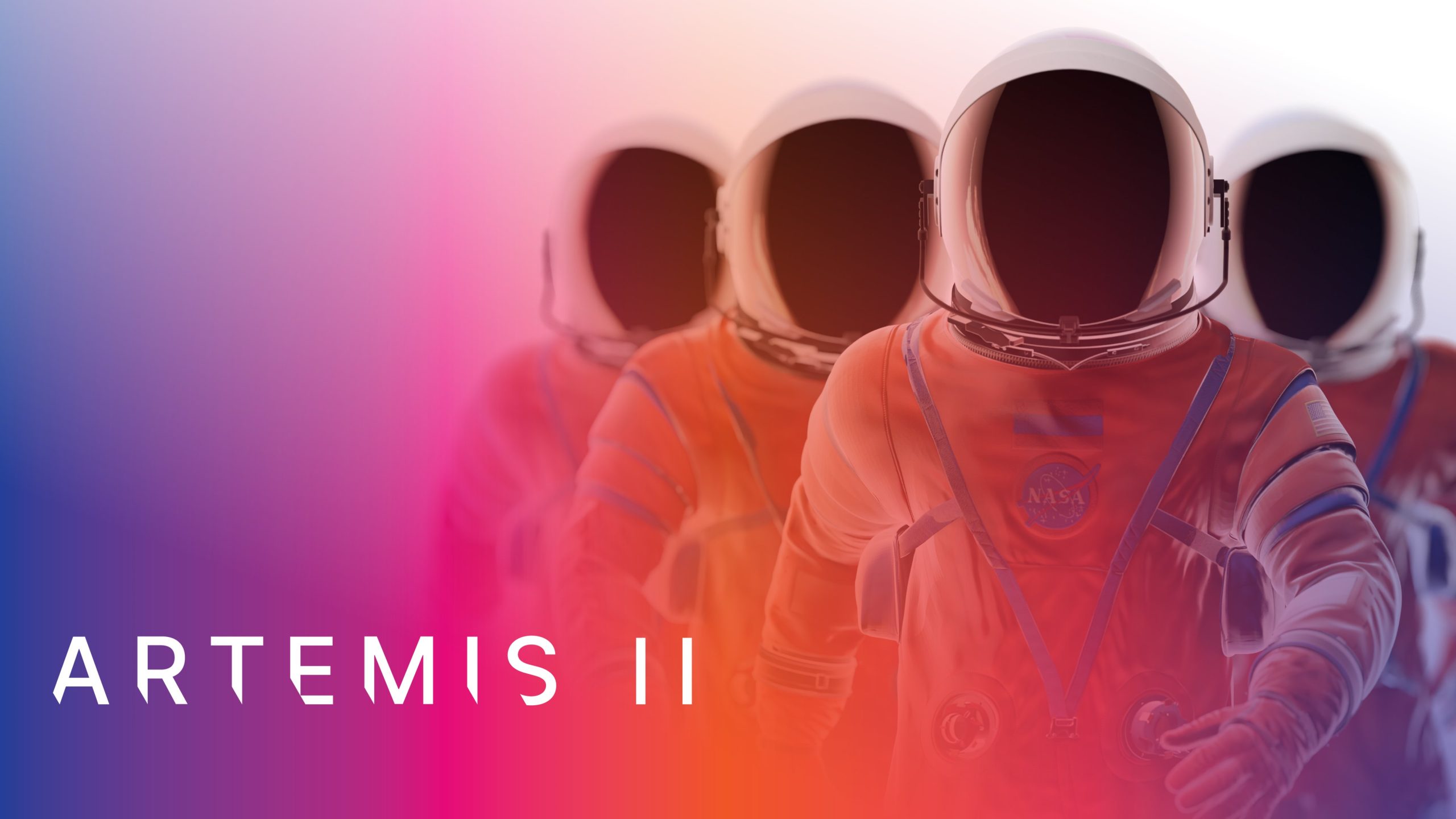
The crew of the Artemis II mission has returned to Earth, marking a pivotal milestone in NASA’s efforts to return humans to the lunar vicinity. Following a successful flight that tested critical systems and navigation, the astronauts are now reflecting on the profound psychological and professional bonds forged during their journey. The mission served as the first crewed flight of the Artemis program, bridging the gap between uncrewed tests and the eventual goal of landing astronauts on the lunar surface.
Central to the mission’s success was the execution of complex orbital maneuvers. NASA confirmed that the crew successfully completed the apogee raise burn, a critical maneuver designed to increase the altitude of the spacecraft’s orbit, allowing the team to transition toward proximity operations NASA (.gov). This phase of the flight was essential for validating the spacecraft’s performance in deep space environments before the crew’s safe return to Earth.
Beyond the technical achievements, the mission provided a striking visual perspective of our home planet. NASA released the first Earth photos captured during the Artemis II moon mission, featuring images that highlighted the fragility and beauty of the globe from a lunar distance The New York Times. These images serve as a reminder of the “Overview Effect,” the cognitive shift reported by astronauts when seeing Earth from space, which often fosters a deep sense of global unity and environmental stewardship.
Technical Milestones and the Artemis II Flight Path
The Artemis II mission was designed as a comprehensive test of the Orion spacecraft’s life-support systems and the crew’s ability to manage deep-space operations. Unlike the previous Artemis I mission, which was uncrewed, Artemis II required the seamless integration of human factors with high-precision orbital mechanics. The successful completion of the apogee raise burn was a primary objective, ensuring the spacecraft could reach the necessary trajectory for its mission goals NASA (.gov).
The mission’s architecture focused on “proximity operations,” which involve the spacecraft’s ability to maneuver close to other objects or maintain specific orbital positions with high precision. These tests are foundational for future Artemis missions, where the Orion spacecraft will need to dock with the Lunar Gateway, a planned outpost orbiting the Moon. The data gathered during these operations provides NASA engineers with the necessary telemetry to refine docking and navigation software for subsequent crewed lunar landings.
The Human Element: Bonds Formed in Deep Space
While the telemetry and data are vital for NASA, the astronauts have emphasized the emotional weight of the experience. The crew has spoken of a unique, lifelong bond created by the shared intensity of the mission. This connection is often attributed to the extreme environment of space, where total reliance on one’s crewmates for survival creates a level of trust and intimacy that is hard to replicate on Earth.
The astronauts noted that the experience of leaving Earth’s orbit and viewing the planet from a distance creates a perspective that is nearly impossible to communicate to those who have not experienced it. This psychological journey is as significant to the mission’s legacy as the technical data, highlighting the ability of human crews to maintain cohesion and mental resilience under the pressures of deep-space exploration.
Preparing for the Next Giant Leap
The success of Artemis II clears the path for Artemis III, which aims to land the first woman and first person of color on the lunar surface. By verifying that the Orion spacecraft can safely transport a crew to the vicinity of the Moon and return them home, NASA has mitigated several high-risk variables. The coverage and monitoring of the mission were meticulously planned to ensure every second of the flight was documented for future analysis NASA (.gov).

The transition from the “testing” phase of Artemis II to the “landing” phase of Artemis III involves several critical steps, including the finalization of the Human Landing System (HLS) and the continued development of the lunar suits. The Artemis II crew’s feedback on the spacecraft’s ergonomics and life-support performance will directly influence the final adjustments made to the hardware before the next crew departs.
Key Mission Takeaways
- Orbital Validation: Successful execution of the apogee raise burn and proximity operations proved the Orion spacecraft’s maneuverability in deep space.
- Visual Documentation: High-resolution images of Earth provided new perspectives on planetary beauty and fragility.
- Crew Cohesion: The mission demonstrated the psychological resilience and bonding of a multi-person crew in an isolated, high-stakes environment.
- Pathway to Landing: The safe return of the crew validates the primary systems required for the upcoming Artemis III lunar landing.
As NASA continues to analyze the telemetry and crew reports from Artemis II, the global community awaits the official timeline for the next phase of lunar exploration. For the latest official updates and mission filings, the public can monitor the official NASA Artemis program portal.
What are your thoughts on the future of lunar exploration? Do you believe the psychological bonds formed in space will be the key to long-term Mars missions? Share your thoughts in the comments below.