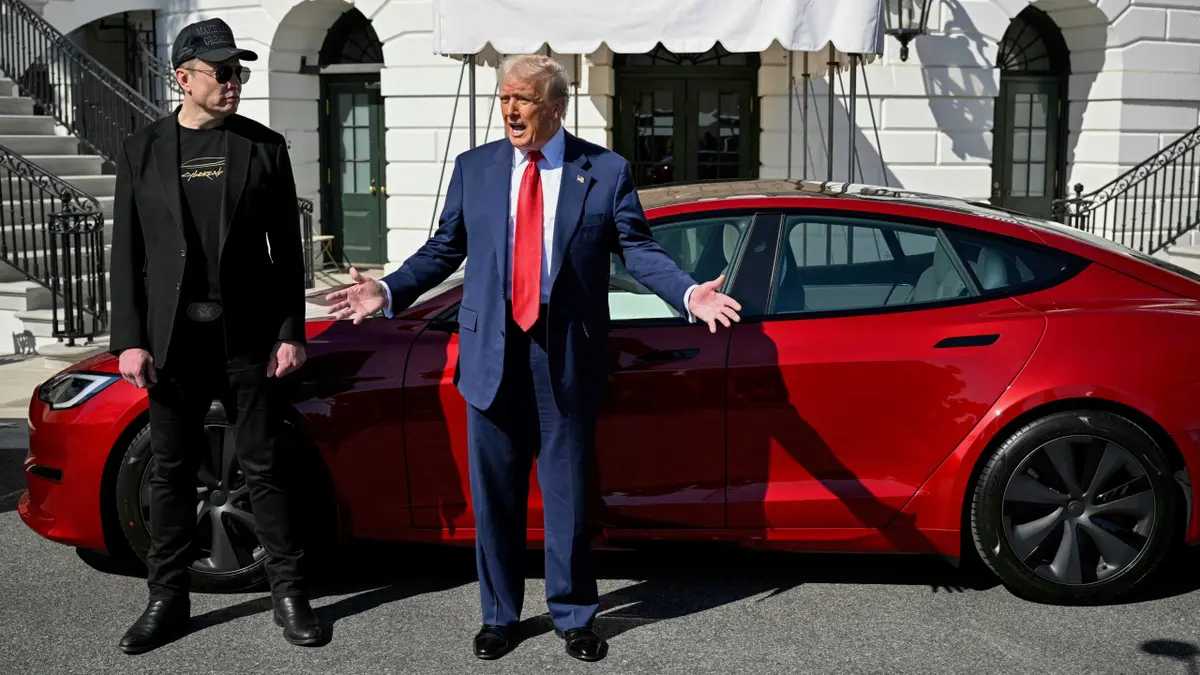
The global automotive landscape is currently witnessing a striking contradiction between political mandate and consumer behavior. As the United States navigates a significant shift in environmental and industrial policy, Donald Trump’s opposition to electric vehicles has moved from a campaign talking point to a cornerstone of executive action. For global markets and manufacturers, the tension is palpable: while the administration works to dismantle the regulatory scaffolding of the EV transition, market indicators in various regions suggest a stubborn, perhaps even accelerated, interest in electric mobility.
From my perspective as an economist, this dynamic represents a classic tension between top-down policy and bottom-up market demand. We are seeing a scenario where the removal of government incentives and the revocation of targets do not necessarily result in a corresponding drop in consumer desire. In fact, some reports suggest a paradoxical “contrarian effect,” where the political battle over EVs is inadvertently increasing their visibility and appeal to certain consumer segments.
The current administration’s approach is not merely rhetorical; it is a systematic reversal of the previous era’s climate goals. By targeting the legal and financial frameworks that encouraged the shift away from internal combustion engines, the U.S. Government is attempting to pivot the national economy back toward traditional energy sectors. Yet, the global nature of the automotive supply chain means that these domestic policy shifts often clash with international trends and the strategic goals of global automakers.
Dismantling the Mandates: The Executive Order
The most direct expression of this policy shift came via the executive branch. President Donald Trump signed an executive order that specifically ended Biden-era EV targets, effectively revoking a non-legally-binding 2021 executive order that had stipulated goals for the transition to electric fleets and consumer adoption President Trump Signs Executive Order Revoking Biden’s EV Targets. This move was designed to signal a departure from what the administration views as government overreach in the automotive sector.
By removing these targets, the administration aims to reduce the pressure on manufacturers to pivot their production lines toward battery electric vehicles (BEVs) at a pace dictated by the federal government. For the industry, this creates a period of profound uncertainty. Companies that have invested billions into EV infrastructure and research now face a landscape where the “carrot” of government targets has been removed, leaving them to rely entirely on market demand and private investment to justify their capital expenditures.
The Infrastructure Struggle: NEVI and the Charging Gap
Beyond the removal of targets, the administration has focused its criticism on the execution of existing infrastructure projects. Throughout the 2024 presidential campaign and continuing into 2025, Donald Trump framed his opposition to EVs as a matter of practicality and economic realism Donald Trump’s battle against electric vehicles: Politics, policy…. A primary target of this criticism was the National Electric Vehicle Infrastructure (NEVI) program.
The administration gleefully seized on what it described as the “plodding pace” of the NEVI program, using the sluggish rollout of charging stations as evidence that the EV “dream” was disconnected from the reality of American infrastructure Why Trump Couldn’t Stop the Electric Vehicle Dream. This rhetoric serves a dual purpose: it undermines public confidence in the viability of EVs while providing a political justification for reducing federal support for charging networks.
However, from a business analysis standpoint, the “plodding pace” of infrastructure is often a result of complex zoning laws and utility grid limitations rather than a lack of political will alone. The risk here is that by framing infrastructure delays as a failure of the technology itself, the administration may be creating a self-fulfilling prophecy where the lack of charging stations—exacerbated by a lack of federal support—actually slows adoption.
The Market Paradox: Is Opposition Driving Demand?
Despite the aggressive policy reversals in Washington, a curious phenomenon is being reported in international markets. While not independently verified via official government datasets in this analysis, various European media outlets—including Blick and Kronen Zeitung—have suggested that the political friction surrounding Donald Trump is paradoxically making electric vehicles more popular. This “Trump Effect” suggests that for some consumers, the political opposition to EVs has transformed the purchase of an electric car into a statement of personal or political identity.
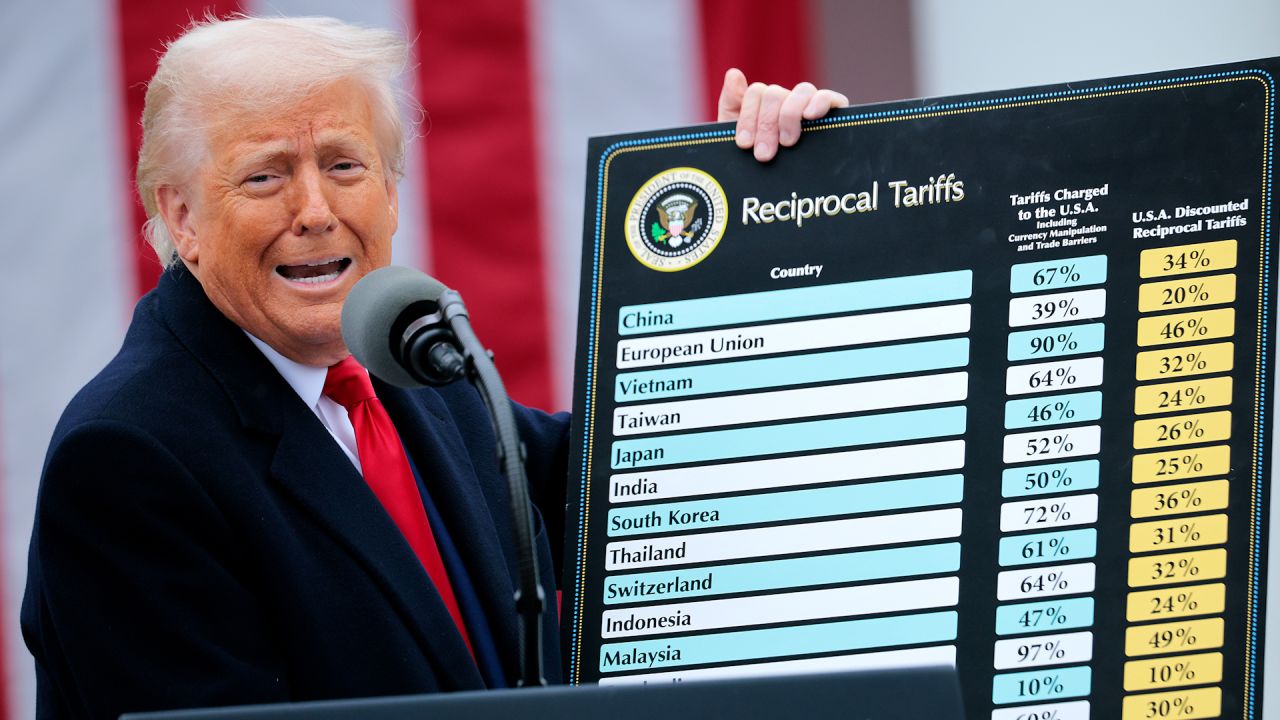
This phenomenon is not entirely unprecedented in economic history. When a highly visible political figure aggressively opposes a product or a trend, it can create a “Streisand Effect,” where the attempt to suppress or discourage something only serves to draw more attention to it. In the case of EVs, the rhetoric of “mandates” and “forced adoption” may be pushing some consumers to seek out EVs as a form of independent choice, rather than a government requirement.
external economic factors continue to play a decisive role. In regions like Switzerland, reports indicate that high gasoline prices are continuing to drive consumers toward electric alternatives, regardless of the political climate in the United States. This highlights a critical disconnect: while the U.S. Administration may view EVs through a political lens, the global consumer often views them through a financial lens—calculating the total cost of ownership, fuel savings, and vehicle performance.
Key Takeaways for Global Stakeholders
- Policy Volatility: The revocation of Biden-era EV targets creates a fragmented regulatory environment, forcing automakers to balance U.S. Policy with global emissions standards.
- Infrastructure Risks: The criticism and potential slowing of the NEVI program may hinder the “range anxiety” resolution necessary for mass-market adoption.
- Consumer Psychology: Political opposition may be inadvertently fueling a contrarian demand for EVs in certain demographics.
- Economic Drivers: Energy prices remain a more powerful driver of EV adoption than political rhetoric in many international markets.
As we look forward, the automotive industry remains in a state of strategic limbo. The administration’s efforts to pivot away from electric mandates are clear, but the momentum of technological advancement and consumer preference is difficult to reverse via executive order alone. The real test will be whether the removal of federal targets leads to a genuine decline in sales or if the market’s internal logic—driven by efficiency and cost—continues to push the world toward electrification.
The next critical checkpoint will be the upcoming quarterly earnings reports and production guidance from major U.S. Automakers, which will reveal whether they are scaling back their EV investments in response to the current administration’s policy shifts or doubling down on the global trend.
Do you believe political rhetoric can truly stop the transition to electric vehicles, or is the market momentum now irreversible? Share your thoughts in the comments below.
Related reading