
Humanity has once again ventured into the deep space void, marking a pivotal moment in lunar exploration. The Artemis II crewed lunar flyby, which launched on April 1, 2026, represents the first time astronauts have traveled toward the Moon in over 50 years, serving as a critical bridge between the uncrewed tests of the past and the ambitious goal of establishing a long-term human presence on the lunar surface.
The mission is a high-stakes demonstration of NASA’s deep space capabilities, utilizing the Space Launch System (SLS) rocket—the most powerful rocket ever built—and the Orion spacecraft. Unlike previous Apollo missions, this 10-day journey is designed as a test flight to validate essential systems in an environment far beyond the influence of Earth’s orbit, ensuring that life support, communications, and navigation are fully operational before humans attempt to land on the Moon again NASA Artemis II Mission.
On board the Orion capsule is a diverse crew of four: Commander Reid Wiseman, Pilot Victor Glover, Mission Specialist Christina Koch, and Canadian Space Agency astronaut Jeremy Hansen. Their trajectory is a “free-return” path, a strategic flight plan that leverages the gravitational pull of both the Earth and the Moon to bring the crew home safely without the need for massive propulsion maneuvers G1 Artemis II Coverage.
As the crew pushed further into the cosmos, they eclipsed the record for the farthest human spaceflight, venturing approximately 270,000 miles from Earth Artemis II Mission Tracker. From their vantage point in the Orion spacecraft, the crew has shared breathtaking imagery, including a “Earthset”—a visual recreation of the iconic space era symbols—and a unique lunar flyby that took them around the far side of the Moon.
Testing the Frontiers of Deep Space Systems
The primary objective of Artemis II is not to land, but to prove that the Orion spacecraft can sustain human life in the harsh environment of deep space. According to NASA Administrator Jared Isaacman, the mission serves as a vital test because humans had never flown this specific system before. The crew is tasked with testing manual control of the capsule, navigation systems, and critical life support mechanisms G1 Artemis II Coverage.
The mission timeline highlights the precision required for such a journey. Following the launch on April 1, the crew completed a “Go” poll for the Trans-Lunar Injection (TLI) on April 2, which propelled them toward the Moon. By Flight Day 6, the crew wrapped up the historic lunar flyby, and by Flight Day 7, they began their return journey toward Earth NASA Artemis II News.
The technical specifications of the mission underscore the scale of the effort. The SLS rocket provided 8.8 million pounds of liftoff thrust to send the 5.75-million-pound vehicle into space. Upon their return, the spacecraft is expected to hit the atmosphere at a reentry speed of 25,000 mph, with a target splashdown in the Pacific Ocean off the coast of San Diego Artemis II Mission Tracker.
A Diverse Crew for a New Era of Exploration
The composition of the Artemis II crew reflects a modern, international approach to space exploration. The team includes several “historic firsts” that expand the representation of humanity in deep space:
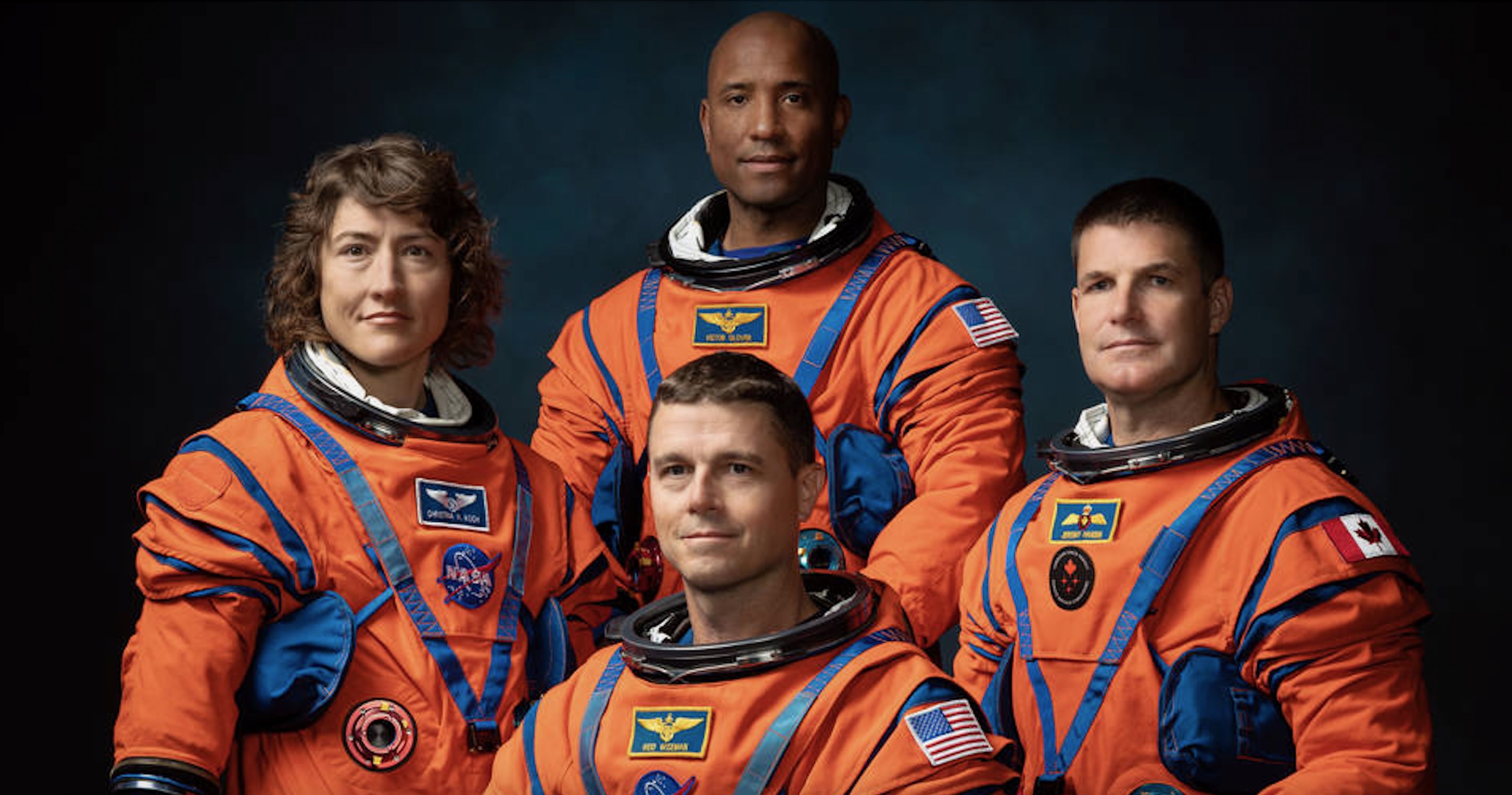
- Reid Wiseman: Serving as the mission commander, Wiseman is a USN Aviator and ISS veteran.
- Victor Glover: As the pilot, Glover becomes the first person of color to travel beyond Low Earth Orbit (LEO).
- Christina Koch: The mission specialist is the first woman to travel into the vicinity of the Moon.
- Jeremy Hansen: Representing the Canadian Space Agency, Hansen is the first non-US citizen to venture beyond LEO Artemis II Mission Tracker.
The emotional impact of the journey has been evident in the crew’s communications. During the flyby, the astronauts shared their experiences of observing the Moon from a perspective that few humans have ever seen, with reports indicating that these observations deeply moved the team NASA Artemis II News.
From Lunar Flyby to Future Mars Missions
While Artemis II is a lunar mission, its implications extend far beyond our closest neighbor. NASA has explicitly stated that the capabilities demonstrated during this flight—specifically the use of the Orion spacecraft and the SLS rocket—are crucial steps toward eventually sending human crews to Mars NASA Artemis II Mission.
The transition from the uncrewed Artemis I in 2022 to the crewed Artemis II marks the shift from structural testing to human-centric operations. By mastering the “free-return trajectory” and validating the heat shield and communication arrays during the return leg, NASA is clearing the technical hurdles necessary for the subsequent Artemis missions, which will aim to put boots back on the lunar surface.
| Parameter | Detail |
|---|---|
| Launch Date | April 1, 2026 NASA |
| Mission Duration | 10 Days Mission Tracker |
| Max Distance from Earth | 270,000 Miles Mission Tracker |
| Crew Size | 4 Astronauts G1 |
| Reentry Speed | 25,000 mph Mission Tracker |
The next critical phase of the mission is the return to Earth. NASA has scheduled media calls with the crew as they make their way home, providing a final window into the psychological and physical experience of deep space travel before the capsule makes its high-velocity descent into the Pacific.
We will continue to monitor the official splashdown coordinates and the subsequent post-flight analysis. What do you consider about the return to lunar exploration? Share your thoughts in the comments below.