
NASA has released a massive archive of more than 12,000 new photos from the historic Artemis II mission, offering the public an unprecedented visual record of humanity’s most recent journey around the moon. The images, captured by the four-person crew during their 10-day voyage in April 2026, provide a detailed look at the lunar landscape and the void of deep space from perspectives not seen in over half a century.
The release marks a significant milestone for the NASA Artemis program, as the agency transitions from the testing phase of crewed flights to the preparation for permanent lunar presence. The Artemis II mission served as a critical test flight, validating the capabilities of the Orion spacecraft and the endurance of the crew before planned human moon landings begin in 2028.
For technology observers, the mission is as much a feat of imaging and communication as it is of aerospace engineering. The crew utilized a combination of professional Nikon cameras and consumer-grade iPhone 17s to document their journey, bridging the gap between high-precision scientific imaging and modern digital photography. This blend of hardware allowed the astronauts to capture everything from technical close-ups of the lunar surface to artistic long-exposure shots of the cosmos.
A New Visual Archive of Deep Space
The newly public trove of over 12,000 images includes a diverse array of celestial phenomena and mission-critical documentation. Among the most striking are “star trails”—long-exposure photographs that visualize the movement of stars against the blackness of space—and clear views of the Milky Way galaxy. The collection also captures a total solar eclipse, including rare images of the sun’s corona peeking from behind the moon.
Beyond the cosmic vistas, the gallery provides an intimate look at the crew’s experience aboard the Orion spacecraft. Several images feature mission commander Reid Wiseman, mission pilot Victor Glover and mission specialists Christina Koch and Jeremy Hansen posing in front of the spacecraft windows with a crescent Earth visible in the distance. These images are now available to the public via NASA’s Gateway to Astronaut Photography of Earth website, as reported by USA Today.
The meticulous process of sorting and releasing these images began after the crew returned to Earth with their equipment. NASA teams and the astronauts spent weeks combing through the data to select the most impactful shots that document the journey’s technical success and the human experience of deep space exploration.
Pushing the Boundaries of Human Travel
The Artemis II mission was not merely a loop around the moon; it was a record-breaking venture. During the 10-day journey, the four-person crew traveled a total of 694,481 miles, breaking the record for the farthest distance humans have ever traveled from Earth, according to ABC News.

The mission timeline began on April 1, 2026, with a launch from Florida, and concluded on April 10 with a water landing near California. During this window, the crew looped around the far side of the moon, seeing more of the lunar hidden side than any humans have in more than 50 years. This trajectory was essential for testing the navigation and communication systems required for future missions that will eventually land on the lunar surface.
The crew—comprising American astronauts Reid Wiseman, Victor Glover, and Christina Koch, alongside Canadian Space Agency Astronaut Jeremy Hansen—operated as a cohesive unit to execute the mission’s complex flight plan. Their success confirms the viability of the current crewed flight architecture for long-duration missions in deep space.
Building the Foundation for Moon to Mars
Artemis II is a cornerstone of a broader strategic vision: the “Moon to Mars” objective. Under the Artemis program, NASA is implementing a series of increasingly difficult missions designed to explore the moon for scientific discovery and economic benefit. This progression is intended to build the necessary infrastructure and experience for the first crewed missions to Mars.
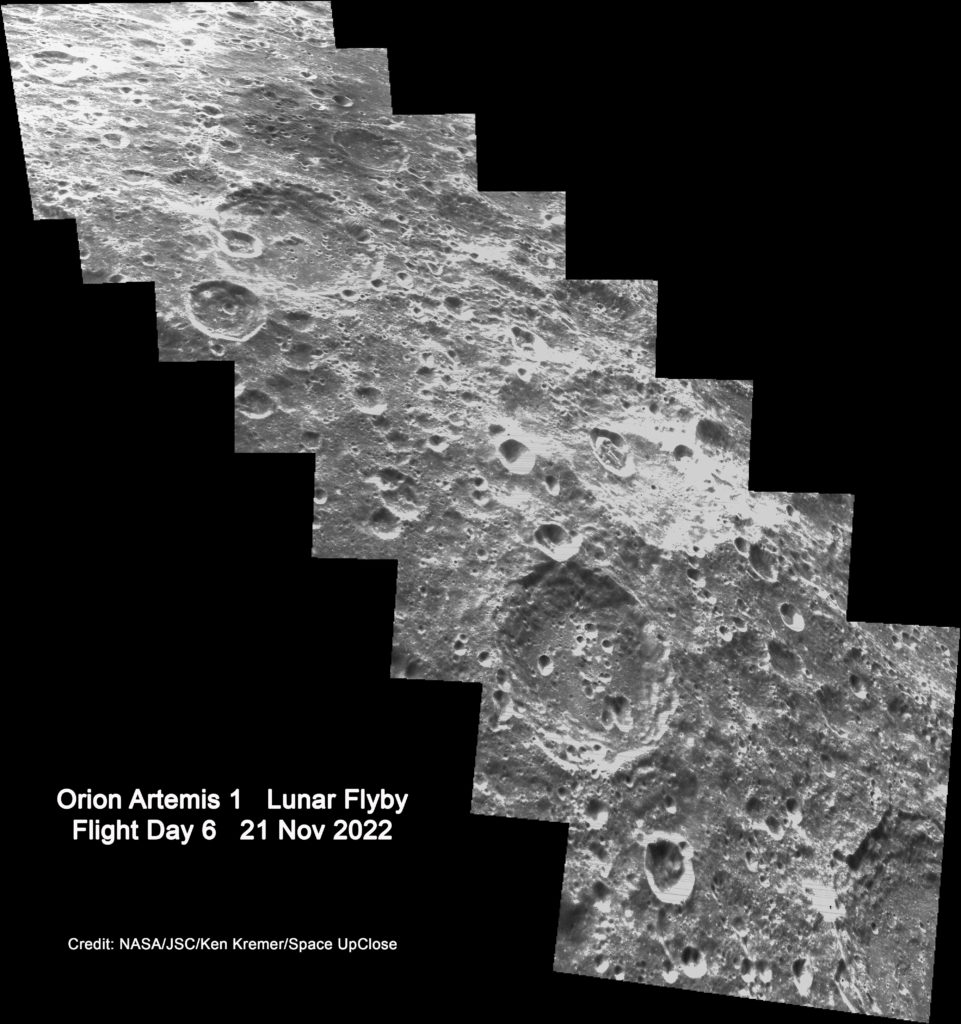
The technical backbone of these efforts relies on the Space Launch System (SLS) rocket and the Orion spacecraft. While Artemis I previously sent an uncrewed Orion on a 1.4-million-mile journey, Artemis II proved that the system can safely support a human crew in the vicinity of the moon. To maintain this momentum, NASA is currently standardizing the SLS rocket configuration and increasing the cadence of its missions.
This international effort is supported by the Artemis Accords, established in 2020 in coordination with the U.S. Department of State and several initial signatory nations. By building a global alliance, NASA aims to ensure that the return to the moon is a collaborative effort for the benefit of all humanity, focusing on sustainable exploration and the establishment of a lunar presence.
As the agency looks forward, the focus shifts toward the logistical and technical challenges of landing humans on the moon. With the success of Artemis II and the validation of its crewed systems, the path is now clearer for the planned lunar landings scheduled to begin in 2028.
The next major milestone for the program will be the continued development and testing of the lunar lander systems and the preparation of the crew for the first surface descent. Updates on these developments will be provided through official NASA mission briefings.
Do you think the use of consumer electronics like the iPhone 17 in deep space marks a new era for astronaut documentation? Share your thoughts in the comments below.