As the United States approaches the historic milestone of its 250th anniversary, preparations for the semiquincentennial celebrations have encountered significant turbulence. Recent developments indicate that several artists originally scheduled to perform at events associated with the commemorative period have withdrawn from their commitments, citing concerns over the political endorsements and organizational affiliations attached to the festivities.
The situation highlights the complex intersection of national heritage, cultural programming, and the polarized political landscape of the United States. For those following these developments, the discourse reflects broader questions about how national anniversaries are curated and the extent to which public figures choose to align themselves with specific political entities during significant national milestones. As we look toward the official 2026 commemorations, the withdrawal of these performers serves as a focal point for ongoing discussions regarding institutional independence and political neutrality in public celebrations.
The Intersection of Commemoration and Political Association
The tension surrounding the anniversary programming intensified as reports surfaced regarding the involvement of political figures in specific event series. When artists or their representatives discover that a public event is linked to a specific political campaign or an individual candidate, the resulting scrutiny often leads to a reassessment of participation. This phenomenon is not unique to the current cycle, but it has become increasingly prominent as the 250th anniversary, officially recognized as the Semiquincentennial by the U.S. Semiquincentennial Commission, approaches the official America250 organization.
The U.S. Semiquincentennial Commission, established by the Semiquincentennial Commission Act of 2016, is the congressionally mandated body responsible for planning the 250th anniversary of the signing of the Declaration of Independence via Congress.gov. The commission’s mandate is to provide for the observance and commemoration of the 250th anniversary of the founding of the United States, emphasizing the importance of non-partisan and inclusive programming. When private event organizers or independent entities brand their own celebrations using similar terminology, it can create significant confusion for performers and the public alike.
Navigating Public Expectations and Professional Standards
For artists, the decision to withdraw from a high-profile event is rarely taken lightly. It involves balancing contractual obligations against personal brand integrity and the potential for public backlash. In the current climate, professional representation often requires rigorous due diligence to ensure that an event’s sponsors, political affiliations, and stated objectives align with the artist’s public persona. When that alignment is perceived to be compromised, the standard industry response is to move toward withdrawal, often citing scheduling conflicts or a lack of clarity regarding the nature of the engagement.
This dynamic has prompted a broader conversation among industry professionals about the transparency of event booking. For a project as significant as the nation’s 250th anniversary, the expectation for clarity is higher than for standard commercial bookings. As noted by industry observers, the public remains highly sensitive to the political messaging embedded in cultural displays, particularly when those displays are framed as official or semi-official national commemorations.
Looking Ahead: The Path to 2026
As the United States moves closer to July 4, 2026, the focus for many remains on the official programming managed by the federal commission. The commission continues to work with state and local partners to develop a diverse array of programs that reflect the nation’s history and future aspirations. Official updates and information regarding sanctioned anniversary events are published through the America250 official portal, which serves as the primary resource for citizens and stakeholders looking to participate in the milestone celebrations.
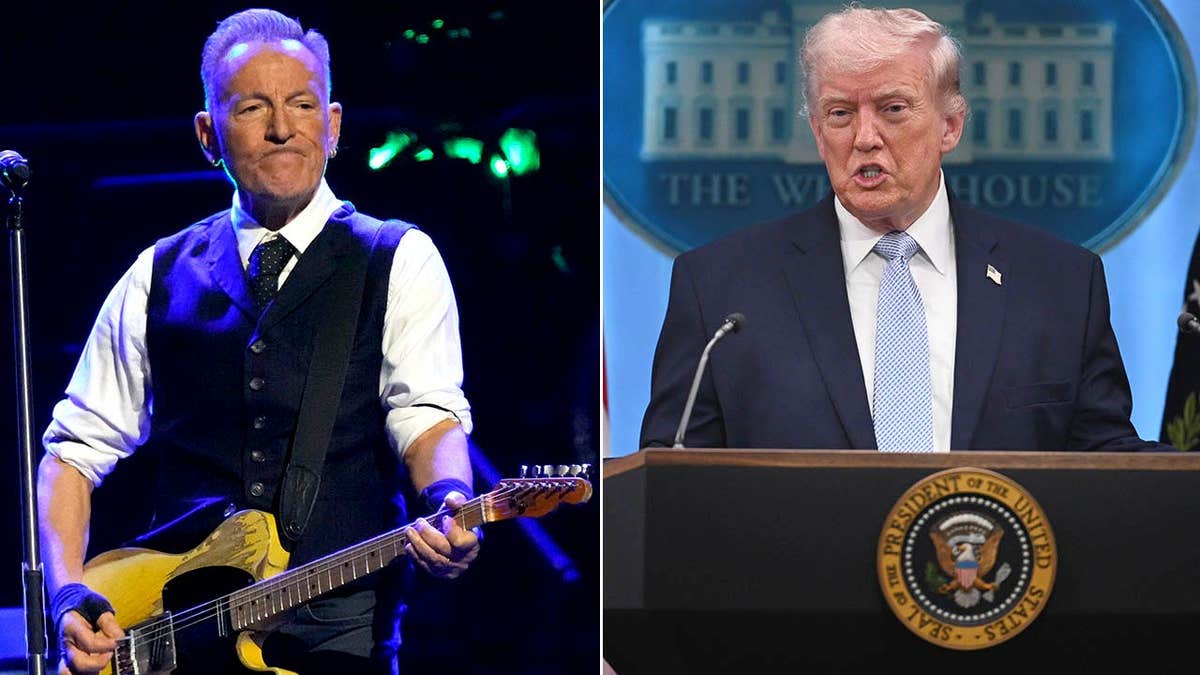
The upcoming months will likely see an increase in activity as cities and states finalize their own commemorative schedules. For those interested in the cultural and historical significance of this anniversary, the official channels provided by the federal commission remain the most reliable source for verified information. As we continue to monitor the evolving landscape of these celebrations, we invite our readers to share their thoughts on the role of cultural figures in national milestones and how we can best honor the history of the United States in a balanced and inclusive manner.
We will continue to report on the progress of the semiquincentennial celebrations as new official announcements are made. For those who wish to stay informed, please check back for updates on official commissions, event schedules, and further developments regarding the 250th anniversary planning process.
Worth a look
- Abano Film Festival 2024: Complete Schedule, Rescheduled Screenings and Exhibition Vouchers
- Honey Blond Hair Is the Ultimate Summer-to-Fall Transition Trend
- BP Q2 Profit Hits $5.7 Billion Amid Trump Criticism of Big Oil Windfalls (time.news)
- Trump Administration Begins Systematic Appropriation of Japanese Manga (newsdirectory3.com)