“`html
AR Rahman Controversy: claims of Bias in Bollywood Spark Debate
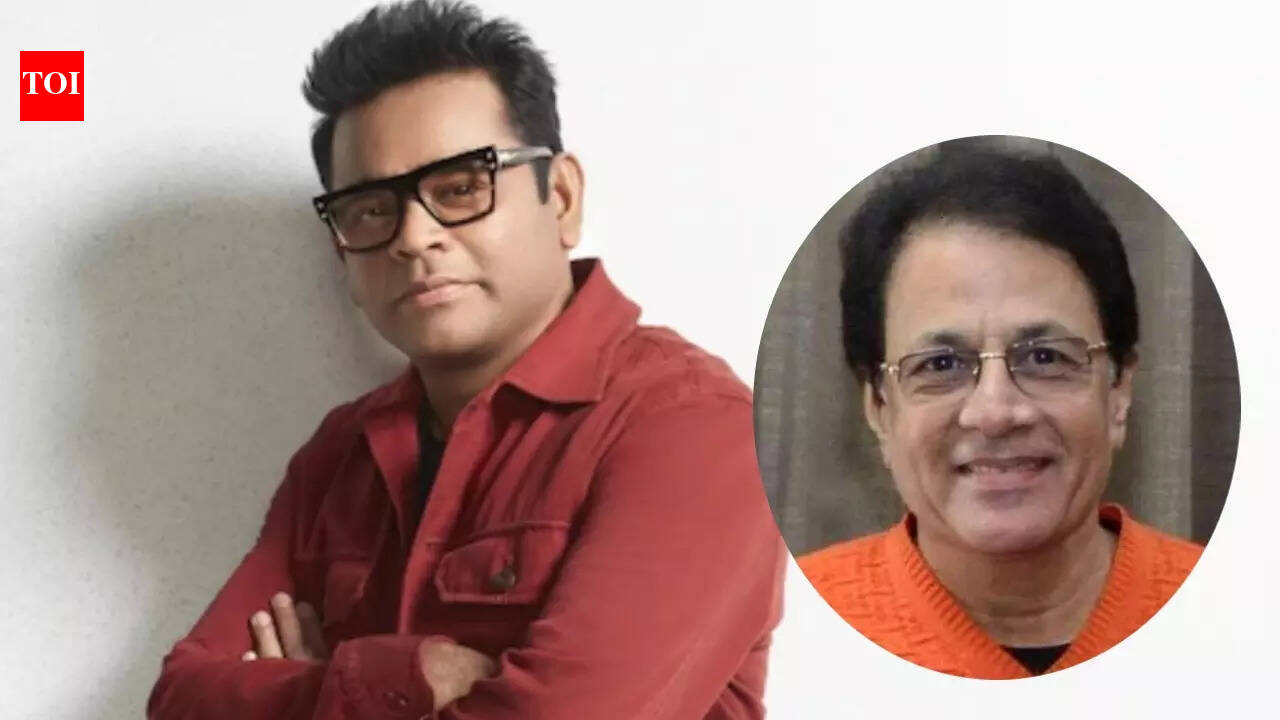
Oscar-winning composer A.R. Rahman ignited a controversy in January 2026 with remarks suggesting he has received fewer opportunities in Hindi cinema over teh past eight years, potentially due to a shift in power towards “people who are not creative” and possibly communal bias. His comments sparked a widespread discussion within the Indian film industry, with actor Arun Govil offering a contrasting perspective.
Rahman’s Initial claims and Subsequent Clarification
During an interview with the BBC Asian Network, Rahman stated that he hadn’t experienced bias earlier in his career during the 1990s, stating, “Maybe I never got to know of this, maybe it was concealed by God, but I didn’t feel any of this.” BBC News reported on the initial interview.However, he indicated a change in recent years, attributing it to a ”power shift” and the influence of individuals lacking creative expertise. He also alluded to the possibility of communal factors playing a role,though he qualified it as not being “in my face.”
Rahman also criticized the film Chhaava for what he perceived as exploiting divisiveness. Following the public reaction, Rahman released a video statement seeking to clarify his comments, though the specifics of the clarification weren’t widely detailed in initial reports. NDTV covered the initial controversy and subsequent clarification attempt.
Arun Govil’s Response: Dismissing Communal Bias
Arun Govil, best known for his portrayal of Lord Ram in Ramanand Sagar’s iconic television series Ramayan, publicly addressed the issue at an event organized by the Federation of Western India Cine Employees (FWICE) and the cine Artiste Welfare Trust (CAWT). According to The Times of India, Govil asserted that communal bias has never been a factor in the Indian film industry.
He cited the historical success of Muslim actors like Dilip Kumar, Shah Rukh Khan, Salman Khan, and Aamir Khan as evidence against the existence of such bias. Govil argued that these actors achieved stardom despite their religious background, suggesting that merit and talent are the primary determinants of success in Bollywood.
historical Context: Muslim Actors in Indian Cinema
The prominence of muslim actors in Indian cinema dates back to its early days. Dilip Kumar, born Mohammed Yusuf Khan, was a dominant figure in the Golden Age of hindi cinema, known for his nuanced performances and iconic roles. Britannica provides a detailed biography of Dilip Kumar and his contributions to Indian cinema. More recently, Shah Rukh Khan, Salman Khan, and Aamir Khan have consistently ranked among the highest-paid and most popular actors in the country, demonstrating a continued acceptance and celebration of diverse backgrounds within the industry.
Industry Reactions and Ongoing Debate
rahman’s