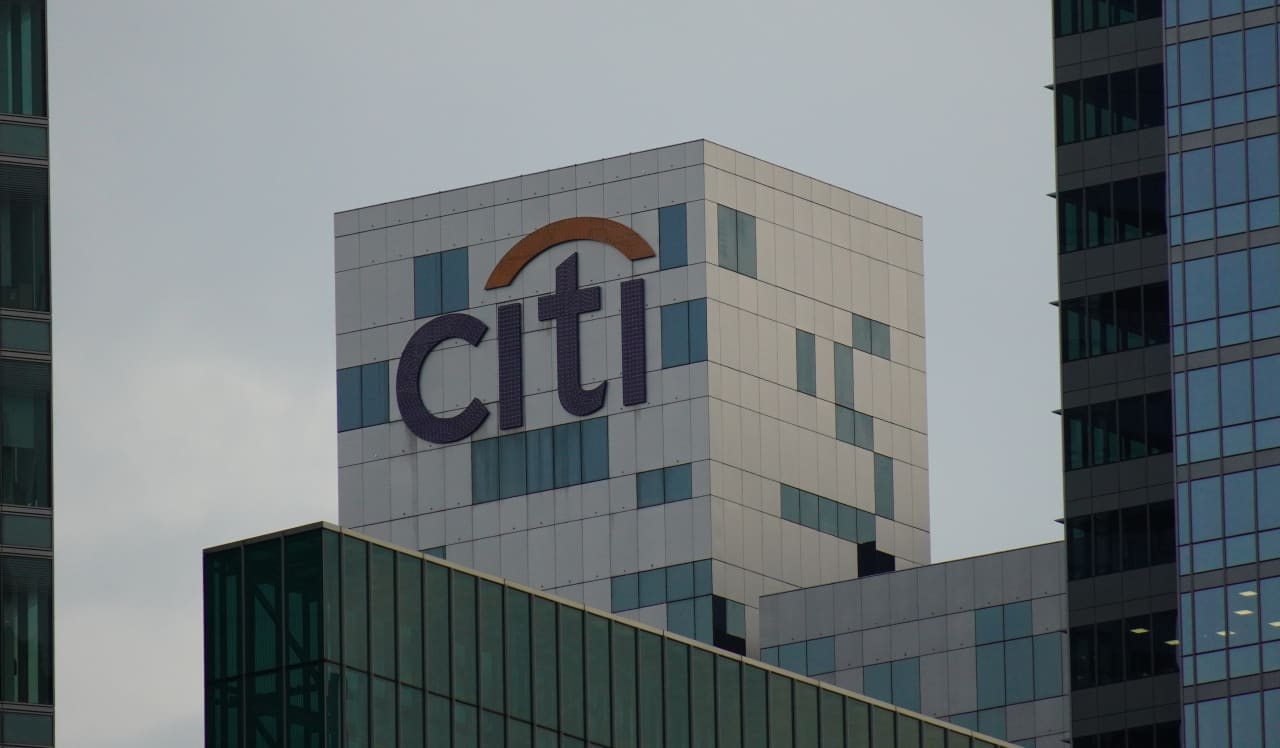
Citigroup is poised to report the most significant improvement in efficiency among major U.S. financial institutions during the current earnings cycle, though the firm remains behind its long-term profitability targets. As JPMorgan Chase, Wells Fargo, Bank of America, Goldman Sachs, and Citigroup prepare to release their quarterly results, market analysts are closely monitoring how Citigroup’s ongoing structural reorganization impacts its bottom line relative to its peers.
The banking sector is currently navigating a complex environment defined by fluctuating interest rates and shifting regulatory capital requirements. According to regulatory filings and industry reports, these five financial giants are under pressure to demonstrate operational resilience as investors assess the potential for further economic volatility. Citigroup, specifically, has been undergoing a multi-year effort to simplify its business model under CEO Jane Fraser, a strategy that has drawn intense scrutiny from institutional shareholders.
Assessing Citigroup’s Operational Turnaround
The primary metric drawing attention this quarter is Citigroup’s efficiency ratio, a measure of how much it costs the bank to generate a dollar of revenue. While the bank has historically struggled with higher overhead costs compared to rivals like JPMorgan Chase, recent third-quarter 2024 earnings data suggests that headcount reductions and the divestiture of international consumer banking units are beginning to yield tangible results. Despite these improvements, the bank has not yet hit its stated return on tangible common equity (ROTCE) targets, which remain a benchmark for its recovery plan.
For investors, the question is whether the reduction in operating expenses can outpace the potential decline in net interest income. As the Federal Reserve moves to adjust interest rates, banks are seeing a narrowing of the margins they earn on loans. Citigroup’s ability to offset this compression through its institutional clients group and treasury services is a central theme of the current reporting period.
Competitive Divergence Among the Big Five
While Citigroup is the primary focus for turnaround potential, the other four major banks are dealing with distinct pressures. JPMorgan Chase continues to lead the sector in overall scale, yet it faces questions regarding the long-term sustainability of its current interest income levels. Wells Fargo remains subject to an asset cap imposed by the Federal Reserve following past consumer compliance failures, which limits its ability to expand its balance sheet in the same manner as its competitors.
Bank of America is observing similar trends in loan demand, with a focus on how its massive retail deposit base handles the transition to a lower-rate environment. Goldman Sachs, meanwhile, has shifted its strategic focus back toward its core strengths in investment banking and trading. According to analysis from the Financial Times, the collective performance of these five institutions serves as a proxy for the broader health of the American economy, particularly in the sectors of corporate lending and consumer credit card activity.
Market Expectations and Regulatory Scrutiny
Beyond internal performance, all five banks are contending with the impending implementation of the “Basel III Endgame” capital requirements. These regulations, which are intended to ensure banks hold sufficient capital against potential losses, have been a point of contention between the banking industry and federal regulators. The Federal Reserve Board has indicated that adjustments to these proposals are likely, but the uncertainty surrounding final capital mandates continues to influence how banks manage their balance sheets and share buyback programs.
Investors should look for updates on capital return programs during the analyst calls following the earnings releases. Citigroup’s management has previously signaled that returning capital to shareholders is a priority, provided that capital ratios remain within the bank’s internal target ranges. Any deviation from these plans could signal that the bank is prioritizing regulatory compliance over shareholder returns in the short term.
Monitoring Future Filings
The next major checkpoint for investors will be the release of the banks’ 10-Q filings with the Securities and Exchange Commission, which typically provide deeper insight into credit quality and loan-loss provisions. These documents, which must be filed shortly after the earnings calls, will offer a more granular look at the health of the banks’ consumer loan portfolios, including delinquency rates on credit cards and commercial real estate exposure.
As these reports become available, they will be accessible via the SEC EDGAR database. Readers are encouraged to monitor these filings for official updates on capital allocation and strategic pivots. Please join the conversation below to share your perspectives on how these banking giants are navigating the current fiscal climate.
Related reading