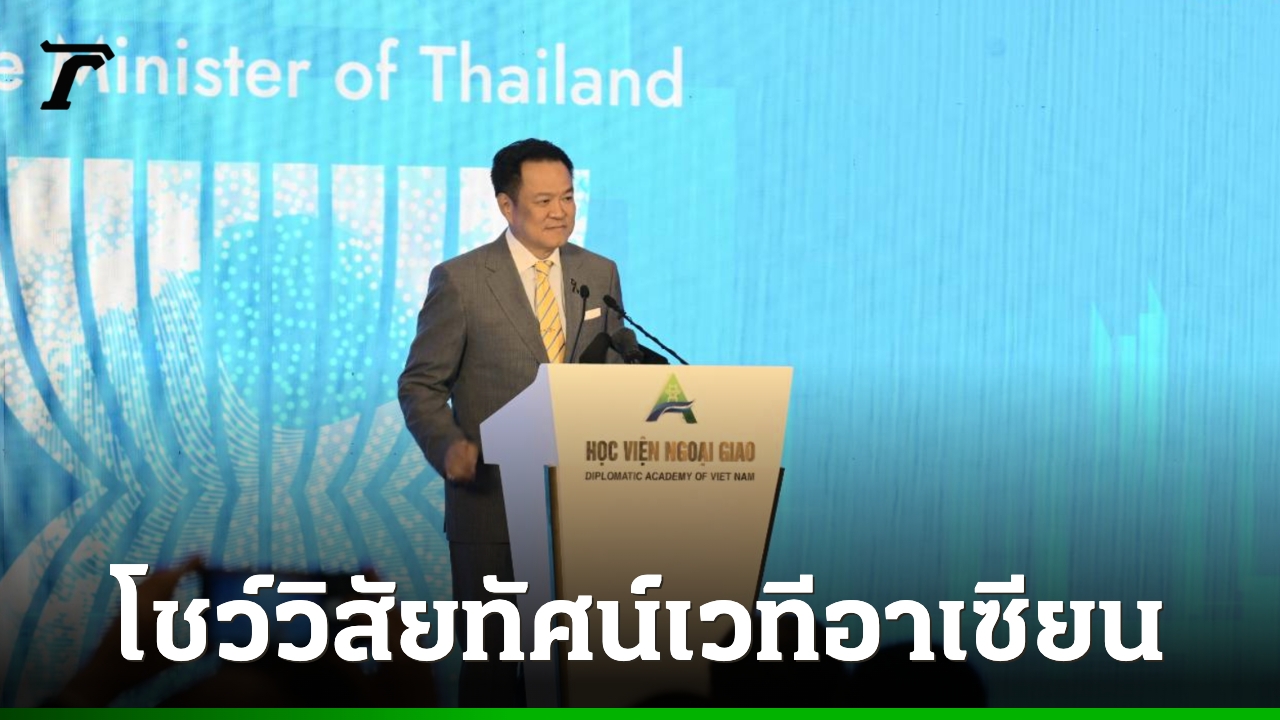
The Association of Southeast Asian Nations (ASEAN) continues to navigate a complex regional landscape, emphasizing its established pillars of peace, stability, and economic integration as it faces the challenges of the mid-2020s. Established in 1967, the regional organization remains a central force in Southeast Asian diplomacy, operating through a consensus-driven framework that prioritizes non-interference among its 11 member states, which include Brunei, Cambodia, Indonesia, Laos, Malaysia, Myanmar, the Philippines, Singapore, Thailand, Timor-Leste, and Vietnam.
As of June 2026, the organization’s vision is anchored in the “ASEAN Way,” a motto reflecting its commitment to “One Vision, One Identity, One Community.” According to official records, the bloc maintains its headquarters in Jakarta, Indonesia, serving as a hub for diplomatic engagement for both regional members and global powers. The organization’s structural foundation, codified in the 2008 ASEAN Charter, continues to guide its efforts to foster social progress and cultural development across a region with an estimated population of over 683 million people.
Regional Cooperation and Economic Integration
Economic connectivity remains a primary objective for the bloc, which has evolved significantly since the formation of its Free Trade Area in 1993. Current initiatives, such as the adoption of QR Code payment systems in the 2020s, illustrate the organization’s focus on modernizing financial infrastructure. With a total estimated GDP (PPP) reaching approximately $13.152 trillion by 2025, the bloc’s economic strategy is designed to promote growth while maintaining the security of its member nations.
The organization’s approach to regional stability is rooted in the three Community pillars: the ASEAN Political-Security Community, the ASEAN Economic Community, and the ASEAN Socio-Cultural Community. These pillars are intended to ensure that regional development leaves no one behind, a core tenet of the organization’s long-term strategic vision. The consensus-based decision-making process, while sometimes characterized as a slow mechanism by external observers, is viewed by member states as a vital tool for managing the diverse political interests of Southeast Asian nations.
Navigating Global Challenges
ASEAN’s role on the global stage involves balancing the interests of major powers that maintain a diplomatic presence in Jakarta. The organization serves as a platform for dialogue, aiming to mitigate political-security challenges through collective engagement. While the bloc faces persistent questions regarding its influence in international affairs, it remains a critical actor in the geopolitical architecture of the Indo-Pacific.
The organization’s ability to adapt to modern economic pressures is evidenced by its ongoing efforts toward market integration. By facilitating trade and promoting diplomatic cooperation, ASEAN seeks to insulate its members from external volatility. As the region moves forward, the focus remains on sustaining the momentum of the three pillars to ensure that the “ASEAN Way” continues to provide a stable framework for the diverse nations within its membership.
Future Outlook and Institutional Stability
Looking ahead, the association continues to refine its institutional processes to meet the demands of a changing global economy. The inclusion of new members and observers, such as Papua New Guinea, underscores the organization’s evolving regional footprint. Official updates regarding policy shifts and economic agreements are managed through the ASEAN Secretariat, which facilitates the coordination of meetings and the implementation of community-wide goals.
For those interested in the ongoing developments of the organization, official documentation and policy statements are available through the ASEAN Main Portal. As the bloc continues to address the intersection of security and economic development, its commitment to consensus-driven diplomacy remains the cornerstone of its regional strategy. We welcome readers to share their perspectives on the future of Southeast Asian integration in the comments section below.
Worth a look