
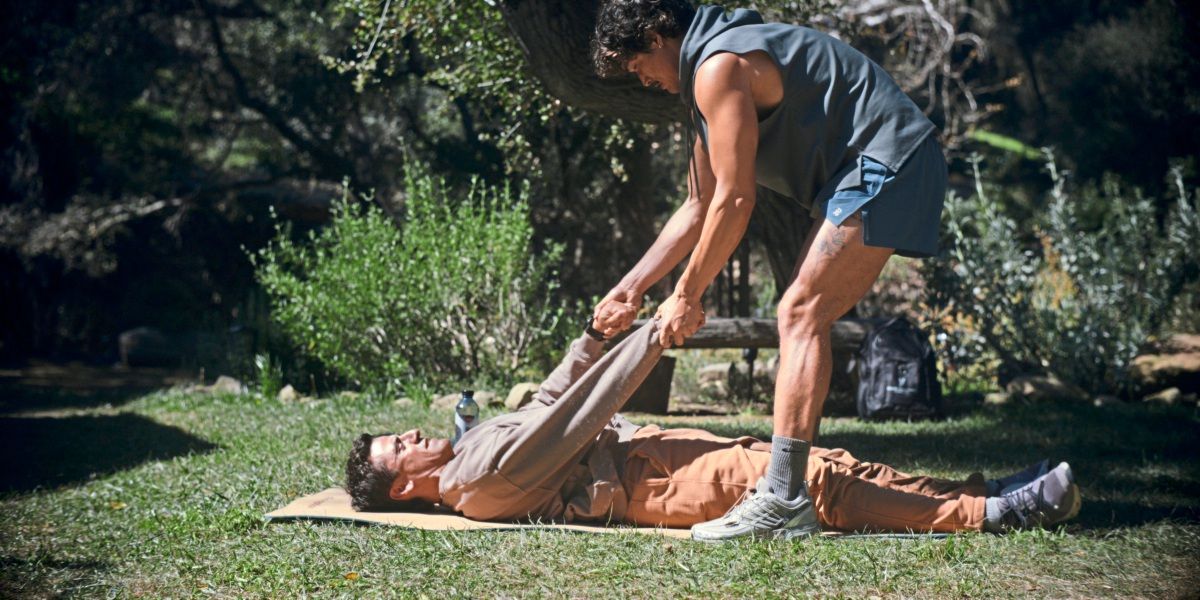
When Netflix first introduced the world to the simmering, explosive resentment of Beef, it wasn’t just a story about a road-rage incident; it was a surgical examination of modern anxiety, class disparity, and the fragile masks people wear to survive in a competitive society. Now, the series is returning with a bold creative pivot, transforming into an anthology to explore new fractures in the human psyche.
The second season of Beef
shifts its lens away from the suburban sprawl of Los Angeles to the manicured greens and gated exclusivity of a luxury country club. While the original cast has moved on, the thematic DNA remains intact: the destructive power of a grudge and the invisible walls that separate social strata. This new iteration promises to maintain the biting social commentary that earned the first season critical acclaim and multiple awards.
At the center of this new conflict are two new protagonists, Ashley Miller, played by Cailee Spaeny, and Austin Davis, played by Charles Melton. Unlike the first season’s battle between a struggling contractor and a wealthy entrepreneur, this chapter focuses on the internal dynamics of the service class operating within a playground for the elite. By positioning the leads as employees in a high-pressure, high-luxury environment, the series is poised to dissect the specific tensions of those who facilitate luxury for others while remaining excluded from it themselves.
A New Direction: The Anthology Pivot
The decision to transition Beef into an anthology series allows creator Lee Sung Jin to expand the present’s scope. Rather than attempting to resolve the existential crises of the first season’s leads, the anthology format treats the concept of a beef
—a prolonged, obsessive conflict—as a universal condition that can manifest in any setting.
Industry analysts suggest this move protects the narrative integrity of the original story while allowing the production to experiment with different demographics and settings. By moving the action to a country club, the show can lean heavily into the concept of Klassenkampf
, or class struggle, exploring how the proximity to extreme wealth can exacerbate feelings of inadequacy and rage among the working class.
The casting of Cailee Spaeny and Charles Melton signals a shift in energy. Spaeny, known for her roles in Priscilla and Civil War, brings a nuanced intensity, while Melton provides a physical and emotional presence that complements the show’s penchant for sudden, volatile shifts in mood.
Class Warfare in the Country Club
The setting of a luxury country club is not merely a backdrop but a catalyst for the plot. In such environments, the boundary between the “served” and the “server” is strictly maintained, yet the physical proximity is constant. This creates a pressure cooker of resentment, where a single perceived slight or a moment of condescension from a member can ignite a psychological war.
Reports on the production indicate that the relationship between Ashley Miller and Austin Davis will be central to the season’s emotional core. As a couple working within the same institution, their shared struggle against the social hierarchy of the club provides a foundation for their bond, but also a potential fault line for their own internal conflicts. The series is expected to explore how external pressures—such as financial instability and social invisibility—bleed into personal relationships, turning partners into adversaries.
This focus on the service industry reflects a broader trend in contemporary storytelling, where the “invisible” workforce is given a voice. By highlighting the labor behind the luxury, Beef continues its exploration of the American Dream and the bitterness that arises when that dream feels unattainable despite hard operate.
The Legacy of Lee Sung Jin’s Vision
To understand where the second season is going, one must look at the foundation laid by Lee Sung Jin. The first season was praised for its ability to balance absurdist comedy with genuine tragedy. It captured a specific kind of 21st-century loneliness—the feeling of being trapped in a life that looks successful on the outside but feels empty on the inside.
The second season is expected to double down on this psychological depth. While the “beef” may start with a specific incident at the club, the narrative will likely spiral into a larger meditation on status and identity. The country club setting provides a perfect microcosm for this: a place where status is measured by membership, dress codes, and the ability to command service.
The show’s ability to pivot from a road-rage incident to a class struggle in a country club demonstrates the versatility of the premise. The core of the show is not the specific event that starts the fight, but the internal void that makes the fight feel necessary to the characters.
Key Thematic Shifts: Season 1 vs. Season 2
| Element | Season 1 | Season 2 |
|---|---|---|
| Primary Conflict | Stranger-to-Stranger (Road Rage) | Colleague/Partner Dynamics (Class Struggle) |
| Setting | Suburban Los Angeles / Urban sprawl | Luxury Country Club / Gated Community |
| Social Dynamic | Middle Class vs. Upper-Middle Class | Service Class vs. Ultra-Wealthy |
| Core Emotion | Existential Dread / Loneliness | Resentment / Social Invisibility |
What So for the Audience
For viewers, the anthology approach means that the high stakes of the first season are reset, but the emotional intensity remains. The appeal of Beef lies in its relatability; everyone has felt the urge to lash out at a world that feels unfair. By moving the conflict to a country club, the show expands its relatability to include the frustrations of the modern workplace and the psychological toll of social stratification.
The inclusion of Charles Melton and Cailee Spaeny also suggests a move toward a younger, perhaps more precarious generation of workers—Gen Z and Millennials navigating an economy where the gap between the working class and the elite has become a chasm. This adds a layer of contemporary urgency to the plot, as the characters fight not just for dignity, but for a sense of place in a rigid social order.
As Netflix continues to invest in high-concept, auteur-driven series, Beef stands as a prime example of how a successful premise can be evolved without losing its essence. The transition to an anthology ensures that the show can remain fresh, tackling different facets of human anger and societal failure with each new cast and setting.
With production moving forward and the casting locked, the industry is watching to see if the “country club” iteration can capture the same lightning in a bottle as the first season. If the trajectory holds, the second season will not only be a story about a fight, but a scathing critique of the environments that produce us fight in the first place.
The next confirmed checkpoint for the series will be the release of the official teaser trailer and the announcement of the exact premiere date by Netflix. Updates on the production schedule are expected in the coming months.
Do you think the anthology format is the right move for Beef, or did you want to see the original characters return? Share your thoughts in the comments below and subscribe for more global entertainment analysis.