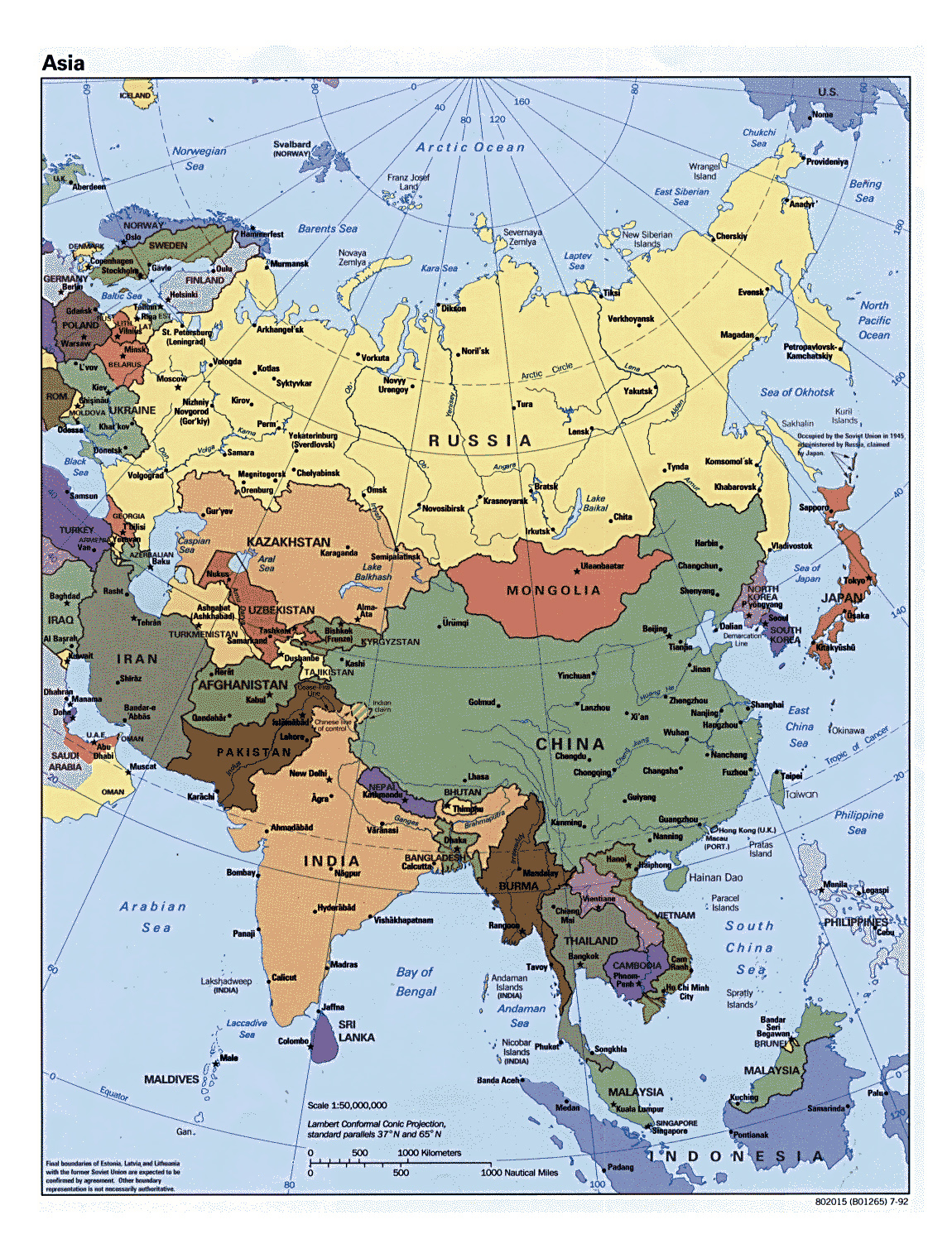
As the global climate continues to shift, agricultural stability across the Asian continent is facing renewed scrutiny. Recent meteorological assessments have highlighted the potential for extreme weather patterns, including the development of a significant El Niño event, which raises concerns regarding food security in some of the world’s most vital agricultural regions. For policymakers and humanitarian organizations, these conditions serve as a critical reminder of the vulnerability of regional supply chains to environmental volatility.
The Pacific Ocean’s thermal dynamics are closely monitored by international bodies, as shifts in sea surface temperatures often precede broader climatic disruptions. According to the World Meteorological Organization (WMO), El Niño events are characterized by a warming of the central and eastern tropical Pacific, which can fundamentally alter precipitation patterns globally. In Asia, where agricultural output is heavily dependent on seasonal monsoons and predictable rainfall, even moderate deviations in these cycles can lead to significant socio-economic consequences.
Understanding the Impact on Agricultural Yields
Asia, as the world’s most populous continent, hosts a vast array of agricultural landscapes, from the rice paddies of Southeast Asia to the wheat belts of the north. Any disruption to these environments poses a risk to both domestic food supplies and international market stability. The Food and Agriculture Organization (FAO) has long emphasized that climate-induced droughts are among the primary drivers of food price volatility, particularly in developing economies where smallholder farmers lack the infrastructure to mitigate water shortages.
The potential for a “super El Niño”—a term often used to describe exceptionally strong warming events—could exacerbate existing water stress. When these events occur, they often result in reduced rainfall in parts of Southeast Asia and Australia, while potentially increasing flood risks elsewhere. For nations already grappling with the dual pressures of post-pandemic recovery and inflationary costs, the prospect of diminished harvests presents a complex challenge for national food security agendas.
Global Climate Monitoring and Preparedness
The international community relies on sophisticated modeling to predict these climatic shifts. The National Oceanic and Atmospheric Administration (NOAA) provides ongoing updates on the state of the El Niño-Southern Oscillation (ENSO) cycle. By monitoring subsurface ocean temperatures and atmospheric pressure, scientists can provide early warnings to governments, allowing for the strategic management of grain reserves and the implementation of water-saving agricultural technologies.
Preparedness, however, remains uneven. While some nations have invested heavily in irrigation infrastructure and drought-resistant crop varieties, others remain highly susceptible to the vagaries of the weather. The integration of satellite data and ground-level monitoring is essential for creating a more resilient food system that can withstand the periodic, yet increasingly intense, fluctuations of the climate cycle.
Future Outlook and Policy Considerations
As we look toward the remainder of the year, the focus remains on the interpretation of real-time oceanic data. Agricultural ministries across Asia are increasingly coordinating with international research institutes to share data and best practices for crop management. The goal is to move from a reactive stance to a proactive one, where resource allocation is guided by long-range climate forecasts rather than immediate crisis management.
The intersection of climate science and food policy is becoming one of the most critical areas of study in international relations. As the global population continues to grow—with Asia currently accounting for approximately 60% of the world’s total—the necessity for sustainable and climate-resilient agricultural practices has never been more pressing. International cooperation will be the cornerstone of addressing these challenges, ensuring that supply chains remain robust in the face of environmental uncertainty.
We encourage our readers to stay informed through official updates from global climate agencies. As more data becomes available regarding the intensity and duration of current climatic patterns, we will continue to provide analysis on the potential impacts on regional and global markets. We welcome your thoughts on how regional policy can better adapt to these environmental pressures; please share your perspectives in the comments section below.
Related reading
- Is Southeast Asia’s AI Regulatory Approach Enough? Key Shortcomings Explained
- 7.1 Magnitude Earthquake Hits Japan: Casualties Feared, People Trapped in Shopping Mall
- Potential Health Risks Loom as Northwest Arkansas Faces Continued Heat Advisory (world-today-news.com)
- Measles Cases Hit 35-Year High: The Start of a New Crisis (newsdirectory3.com)