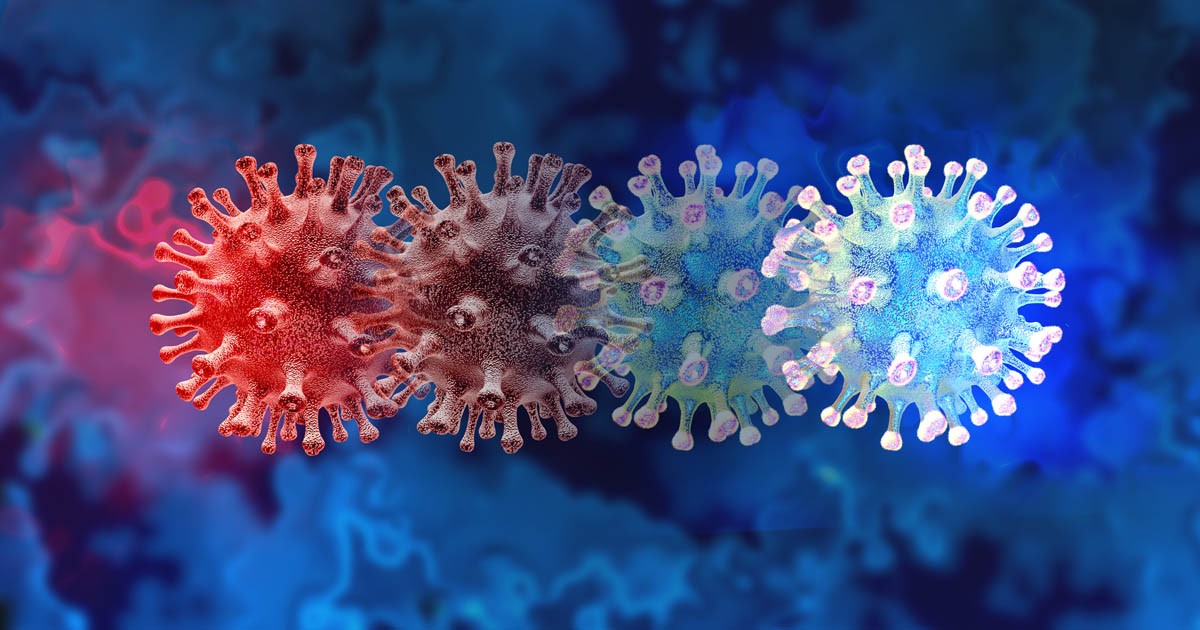
Nipah Virus Outbreak: Global Concerns and Current Status
By Dr. Helena Fischer, World-Today-Journal.com
Recent reports of Nipah virus (NiV) cases in India have triggered heightened surveillance and preventative measures across several Asian nations, raising concerns about a potential wider outbreak. This article provides a extensive overview of the Nipah virus, its transmission, symptoms, fatality rates, and the current global response.
What is Nipah Virus?
Nipah virus is a zoonotic virus – meaning it originates in animals and then transmits to humans [[1]]. It belongs to the Henipavirus genus and is naturally carried by fruit bats, specifically those of the Pteropus genus [[2]]. While initially identified in Malaysia in 1998, outbreaks have since been reported in Bangladesh, India, and other parts of Southeast Asia [[2]].
Transmission Routes
The virus spreads through several routes:
* Animal-to-Human: Contact with infected animals, especially fruit bats and pigs, is a primary mode of transmission. Humans can contract the virus through direct contact with these animals or consumption of contaminated animal products.
* human-to-Human: NiV can also spread directly between people through close contact with bodily fluids like respiratory droplets, saliva, urine, blood, and even contaminated surfaces [[1]].
* Contaminated Food: Consumption of raw date palm sap contaminated with bat saliva has been linked to outbreaks, particularly in Bangladesh and India.
Symptoms and Severity
The initial symptoms of Nipah virus infection are often non-specific, making early diagnosis challenging. These include:
* Fever
* Headache
* Muscle pain
* Nausea and vomiting
* sore throat
* Respiratory problems
As the illness progresses, more severe complications can develop, including:
* Pneumonia
* Encephalitis (inflammation of the brain)
* Seizures
* Coma
The World Health Association (WHO) estimates the fatality rate of Nipah virus infection to be between 40% and 75%, varying depending on the strain and the quality of healthcare available [[3]]. There is currently no specific treatment for Nipah virus infection; care is primarily supportive, focusing on managing symptoms and preventing complications.
Current Situation and Global Response (January 28,2026)
Recent confirmation of two cases in India since December has prompted swift action. Indian health authorities report having contained the outbreak through rapid contact tracing and testing of approximately 200 individuals, with no new cases detected thus far. However, details regarding the infected individuals remain undisclosed.
Neighboring countries are taking preventative measures. Thailand, Nepal, and Vietnam have intensified screening of incoming passengers, including temperature checks and health declarations. China has increased health controls at its borders, while Myanmar has advised against non-essential travel to the affected region.Indonesia has also heightened its surveillance efforts [[1]]. Despite these concerns, indian authorities have dismissed reports of a widespread increase in cases, labeling them as “speculative and incorrect.”
Why is Nipah Virus a Global Concern?
While Nipah virus outbreaks have been relatively limited geographically, the virus poses a meaningful public health threat due to its high fatality rate and potential for pandemic spread [[3]]. The ability of the virus to transmit between humans, coupled with the lack of a specific vaccine or treatment, makes it a particularly concerning pathogen. Continued surveillance, rapid response to outbreaks, and research into effective countermeasures are crucial to mitigating the risk of a larger-scale pandemic.
Keep reading
- Côte d’Ivoire: PNLS Advocates for Condom Use to Prevent HIV and Unwanted Pregnancies
- Promising Oral Microbiome Treatment Needs Long-Term Clinical Trials
- NYC Mosquito Pools Show Near-Double Increase in West Nile Virus (archyworldys.com)
- West Nile Virus Detected in Horse: Risk to Humans Possible (newsdirectory3.com)