
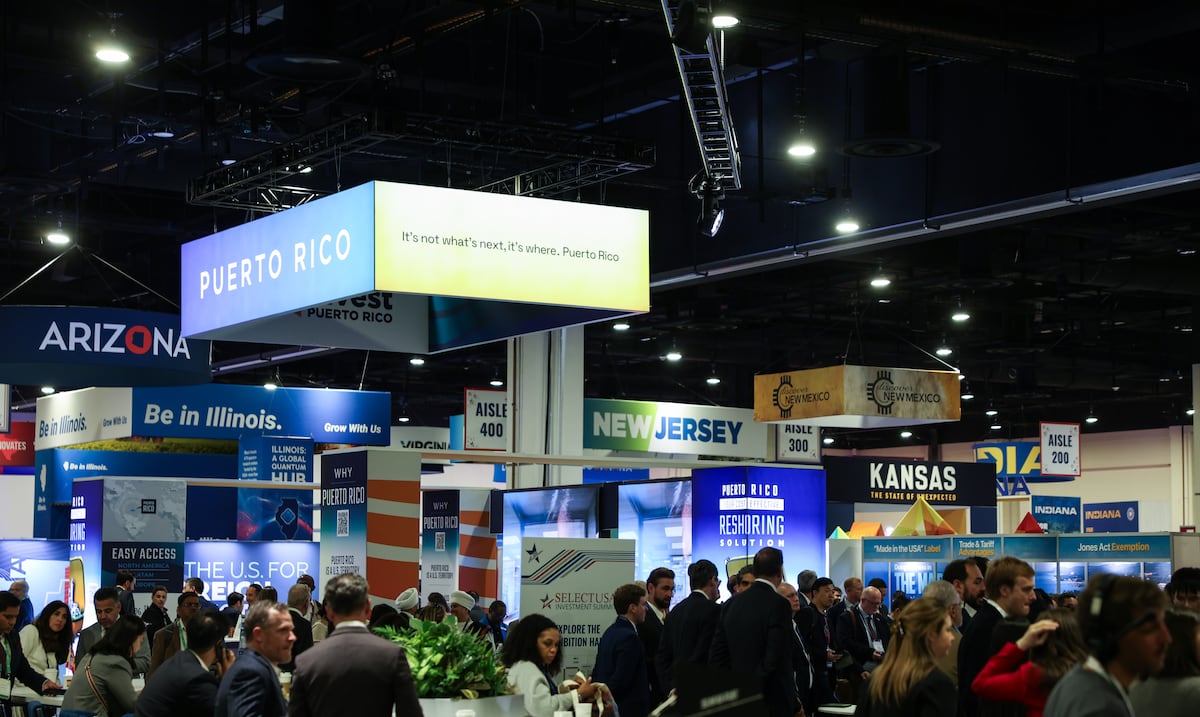
The global manufacturing landscape is undergoing a fundamental recalibration. For decades, the prevailing logic for industrial expansion was dictated by a “cost-first” mentality—a relentless pursuit of the lowest labor costs and the most efficient logistics. However, a new paradigm is emerging, one where resilience, regulatory alignment, and speed-to-market take precedence over simple expenditure. This shift is increasingly evident as more Asian manufacturers choosing Puerto Rico as their gateway for expansion into the United States.
This movement represents more than just a change in geography; it is a strategic pivot toward risk management. As geopolitical tensions rise and supply chain vulnerabilities are exposed, companies in highly specialized and regulated industries are seeking environments that offer the stability of U.S. Jurisdiction combined with competitive operational advantages. Puerto Rico, with its deep history in high-value manufacturing, has emerged as a primary beneficiary of this trend.
The attraction lies in the island’s unique positioning. By operating within a U.S. Jurisdiction, international firms can mitigate tariff exposure and secure intellectual property while benefiting from an ecosystem specifically tailored to complex, regulated operations. This transition from a focus on cost to a focus on certainty is redefining how boardrooms in Asia view their North American footprints.
From Cost-Efficiency to Strategic Resilience
The criteria for selecting a manufacturing site have evolved. In previous years, the decision-making process was often a mathematical exercise in reducing overhead. Today, that framework has expanded to include supply-chain security, regulatory certainty, and the protection of intellectual property. For companies based in Asia, the goal is no longer just to find the cheapest place to build, but the safest and most reliable place to grow.
Ella Woger-Nieves, CEO of Invest Puerto Rico, notes that the nature of these discussions has shifted. According to Woger-Nieves, “The conversation has become much more strategic and intentional,” explaining that for Asian companies, U.S.-based manufacturing is now viewed as a “risk-management and strategic positioning decision” rather than simply a means of gaining market access.
This perspective is echoed by Sebastián Negrón Reichard, Puerto Rico’s secretary of economic development and commerce. Negrón Reichard observes that while manufacturers once viewed North America primarily through the lens of labor and logistics costs, they are now operating within a broader framework. This modern approach prioritizes speed to commercialization and the reduction of regulatory risk, making the island an attractive proposition for those looking to navigate the complexities of the U.S. Market.
The Regulatory Advantage: FDA Experience and U.S. Jurisdiction
For firms operating in the bioscience, technology, and advanced manufacturing sectors, the regulatory environment is often the most significant barrier to entry. The United States, particularly through the Food and Drug Administration (FDA), maintains some of the most stringent standards in the world. Navigating these requirements from abroad can be a slow and costly process.

Puerto Rico offers a distinct advantage here: decades of experience in FDA-regulated manufacturing. This existing infrastructure means that the island possesses a mature ecosystem of talent and facilities already attuned to the rigorous demands of high-value, regulated industries. For an Asian firm, entering a market that already “speaks the language” of U.S. Regulation significantly reduces the time-to-market for new products.
the status of Puerto Rico as a U.S. Jurisdiction provides a level of legal and operational certainty that is difficult to replicate elsewhere. This includes robust intellectual property protections and a reduction in the tariff exposures that often plague international trade between Asia and the U.S. Mainland. By establishing operations on the island, companies can effectively “nearshore” their production, placing their manufacturing capabilities closer to their end markets while remaining under the umbrella of U.S. Law.
Targeted Growth and the 2025 Asian Priority
The increase in interest from Asia is not accidental; it is the result of a deliberate, long-term market development strategy. In 2025, Invest Puerto Rico began explicitly signaling Asia as a priority market for advanced manufacturing investment. This strategy was designed to align the island’s capabilities with the strengths of Asian economies, which have long led the world in bioscience and tech sectors.

Attracting this level of investment requires more than just favorable tax codes; it requires trust-building and sustained engagement. This has involved coordination with international organizations, such as the Japan External Trade Organization (JETRO), to facilitate commercial engagement and build the necessary bridges between Asian industrial leaders and Puerto Rican infrastructure.
A tangible result of this strategic focus is the decision by PharmaEssentia to establish manufacturing operations on the island. This move serves as a benchmark for how intent translates into measurable results, demonstrating that the island’s value proposition resonates with companies managing complex, high-value operations that require absolute regulatory reliability.
Analysis: The Economic Logic of the Caribbean Hub
From an economic perspective, the trend of Asian manufacturers choosing Puerto Rico is a textbook example of “friend-shoring”—the practice of relocating supply chains to countries that share similar political and economic values to reduce risk. When companies move production to a U.S. Jurisdiction, they are essentially buying insurance against geopolitical volatility.
The risk of supply chain disruptions has become a boardroom priority. The “just-in-time” delivery model, while efficient in a stable world, proved fragile during recent global shocks. By diversifying their manufacturing base and establishing a presence in Puerto Rico, Asian firms are moving toward a “just-in-case” model. This ensures that even if trans-Pacific trade faces interruptions, they maintain a viable, compliant production hub within the U.S. Regulatory sphere.
the synergy between Puerto Rico’s existing bioscience cluster and Asia’s technological leadership creates a potent multiplier effect. As more advanced manufacturers arrive, the local talent pool grows, which in turn attracts more investment. This virtuous cycle enhances the island’s maturity as a manufacturing hub, making it an even more compelling choice for the next wave of investors.
Key Takeaways for Global Investors
- Shift in Priority: Manufacturing decisions are moving from a “cost-first” model to one centered on resilience, regulatory certainty, and risk management.
- Regulatory Synergy: Puerto Rico’s extensive experience with FDA-regulated manufacturing significantly reduces the time-to-market for Asian firms expanding into the U.S.
- Jurisdictional Security: Operating within a U.S. Jurisdiction provides critical protections for intellectual property and mitigates tariff risks.
- Strategic Targeting: The 2025 designation of Asia as a priority market by Invest Puerto Rico has accelerated partnerships and concrete investments, such as that of PharmaEssentia.
- Ecosystem Maturity: Coordination with entities like JETRO underscores a long-cycle strategy to build trust and infrastructure for high-value industrial expansion.
As global companies continue to reassess their exposure to regulatory and geopolitical risks, the role of specialized hubs like Puerto Rico will likely expand. The transition toward a more secure, resilient supply chain is not a temporary trend but a structural shift in the global economy. For manufacturers in Asia, the island represents a strategic bridge—combining the operational efficiencies of the Caribbean with the legal and regulatory certainty of the United States.
The next critical milestone for this initiative will be the continued rollout of partnerships established through the 2025 priority market strategy and the operationalization of new facilities by firms like PharmaEssentia. These developments will provide further data on the scalability of this model for other Asian industrial leaders.
Do you believe the shift toward “resilience-first” manufacturing will permanently alter the dominance of low-cost production hubs? Share your thoughts in the comments below or share this analysis with your professional network.