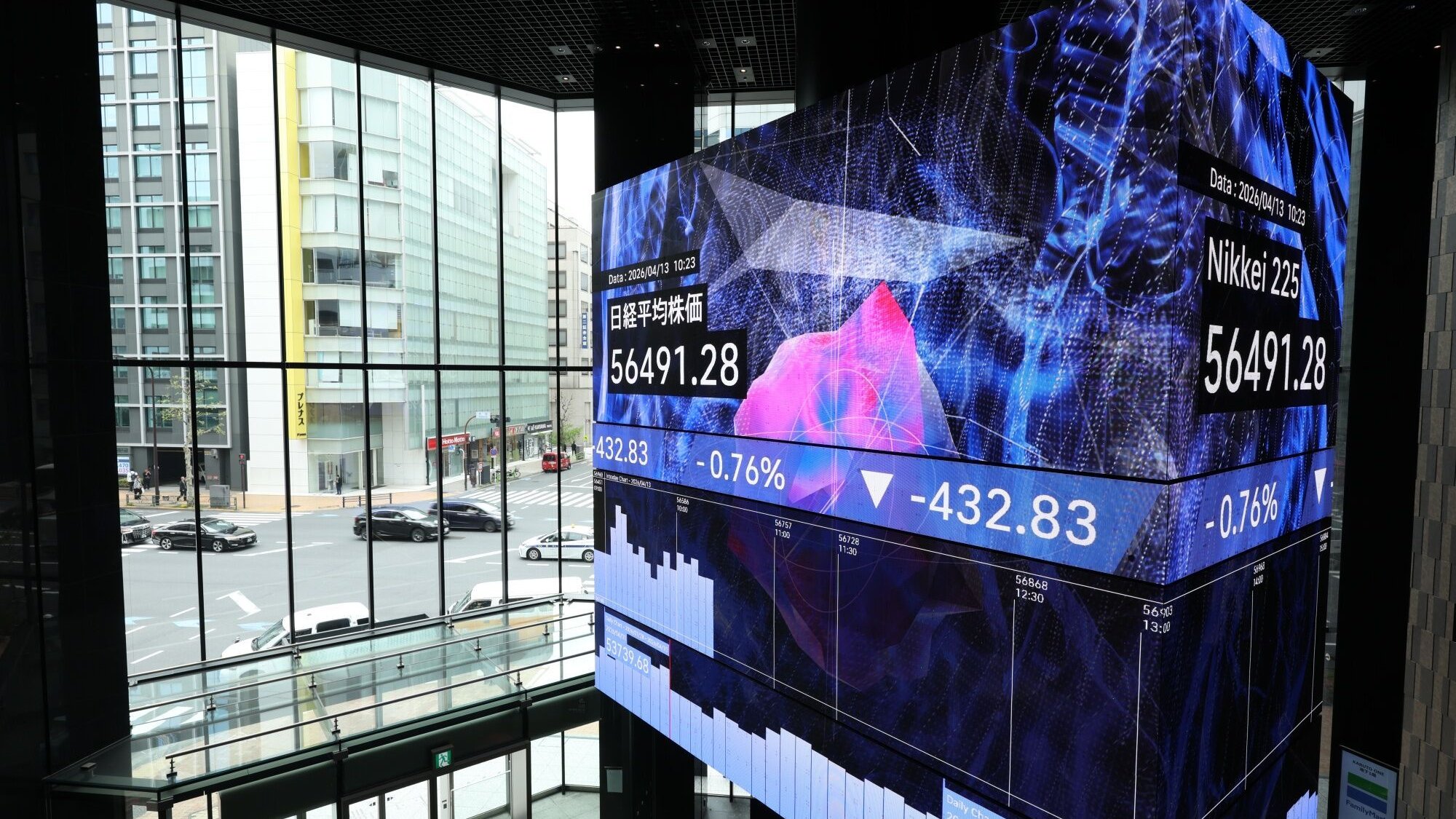
In a global financial climate defined by shifting investor sentiment and technological transformation, the performance of Asian markets continues to serve as a critical bellwether for international trade. Recent market sessions have underscored the volatility inherent in the semiconductor sector, as investors weigh record-breaking gains against broader economic concerns. For global observers and market participants, understanding these fluctuations requires a close look at the interplay between major regional indices and the high-growth technology companies that increasingly dictate their trajectory.
The Nikkei 225, Japan’s primary stock index, has recently been at the center of market discussions, drawing attention for its significant reliance on semiconductor and hardware manufacturers. This trend highlights the broader influence of chip stocks on Asian market performance. As these companies navigate supply chain demands and shifting demand for artificial intelligence and computing power, their stock valuations often drive the daily momentum of exchanges across the region, including the Topix and the CSI 300 in China.
For investors, the recent activity in Asian markets—characterized by a mix of record-high peaks in specific sectors and broader pullbacks—illustrates the risks associated with sector-heavy index compositions. As global trade policies evolve, stakeholders are closely monitoring how semiconductor leaders sustain growth amid broader index fluctuations. Understanding these dynamics is essential for navigating the current economic landscape.
Understanding the Influence of Semiconductor Stocks
The semiconductor industry has become the engine of modern stock market growth, particularly within Japan’s Nikkei 225. Because this index is heavily weighted toward technology, its performance is intrinsically tied to the fortunes of major chip manufacturers. When global demand for semiconductors rises, these firms often see significant valuation increases, which in turn push the index toward record highs. However, this concentration also creates vulnerability; any downturn in the tech sector, or a correction in global chip demand, can lead to immediate and sharp declines across the board.

Recent market reports confirm that the sensitivity of these indices to technology stocks is not a new phenomenon, but it has intensified in the current fiscal year. According to data provided by Reuters, shifts in chip stock valuations frequently eclipse gains in other sectors, such as automotive or retail. This creates a “tug-of-war” effect where the overall health of the stock market appears to hinge on a narrow list of technology giants.
Navigating Market Volatility in Asia
While technology stocks often grab the headlines, the broader Asian market landscape is shaped by a variety of macroeconomic factors. The CSI 300, which tracks the largest companies listed in Shanghai and Shenzhen, often reflects different pressures than the Japanese market, including domestic real estate trends and government-led economic policies. When Asian indices close in the red, it is rarely due to a single factor; rather, it is typically a confluence of regional trade dynamics and investor caution regarding interest rate trajectories.

For international investors, the divergence between technology-heavy indices and those more focused on traditional manufacturing or finance provides a complex picture of regional health. As noted in assessments by The Financial Times, market participants should remain vigilant regarding the regulatory environments in China and Japan, as changes in fiscal policy can rapidly alter the outlook for multinational corporations operating in these jurisdictions.
Key Takeaways for Global Investors
- Sector Concentration: Indices like the Nikkei 225 are highly sensitive to the semiconductor sector. Investors should evaluate their exposure to tech-heavy portfolios accordingly.
- Macro-Regional Divergence: Asian markets do not move in lockstep. Performance in Japan often differs significantly from mainland China, requiring a nuanced approach to regional asset allocation.
- Volatility as the New Normal: Rapid shifts in chip stock valuations have become a recurring feature of daily market activity, necessitating robust risk management strategies.
- Economic Indicators: Beyond the stock tickers, monitor official government releases regarding trade balance and fiscal policy to gain a clearer understanding of underlying market drivers.
Looking Ahead: What Comes Next?
As we move into the next quarter, the focus for global markets will shift toward corporate earnings reports and central bank commentary. Specifically, investors are looking for official guidance from the Bank of Japan regarding interest rate adjustments, which could significantly impact the valuation of export-oriented companies. The upcoming release of semiconductor sector supply chain audits will likely dictate the next wave of stock movement in the technology space.

We encourage our readers to stay informed by following official updates from the Bank of Japan regarding monetary policy and to keep a close watch on scheduled regulatory filings for major technology firms. The financial landscape remains fluid, and staying ahead of the curve requires an adherence to primary data and verified economic reports.
What are your thoughts on the current state of Asian markets? Are you adjusting your portfolio in response to the volatility in the semiconductor sector? Share your analysis in the comments section below—we value your insights as we continue to track these global developments.
Keep reading