
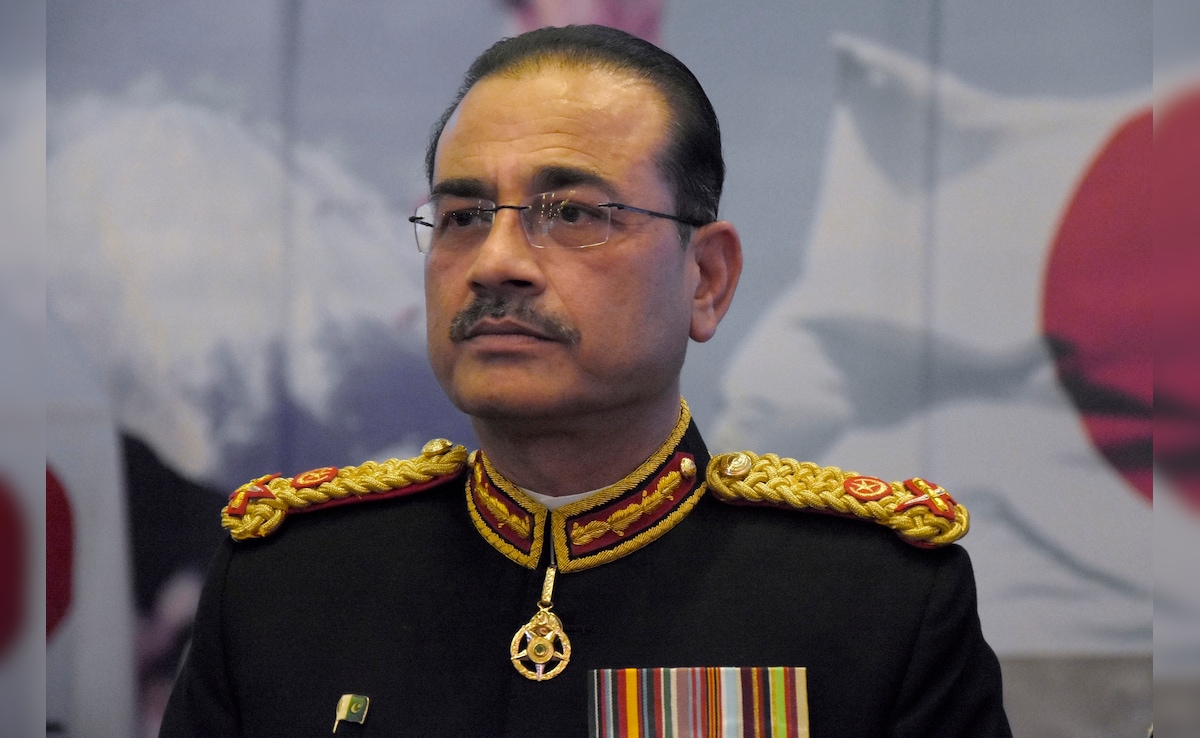
Pakistan Army Chief’s Daughter Weds Amidst Regional Tensions
The recent marriage of Mahnoor Munir, daughter of Pakistan’s Army Chief General Asim Munir, to her first cousin, Abdul Rehman, has drawn attention not only for the high-profile attendees but also against a backdrop of escalating regional concerns. The wedding, held December 26th at Pakistan Army Headquarters in Rawalpindi, was a discreet affair despite the presence of the nation’s leading political and military figures.
Let’s break down what we know about the event and the broader context surrounding it.
A Private Ceremony, Public Figures
Despite the desire for privacy, the wedding guest list read like a who’s who of Pakistani power. President Asif Ali Zardari and Prime Minister Shehbaz Sharif were both in attendance, alongside Deputy Prime Minister Ishaq Dar and the Director-general of the Inter-Services Intelligence (ISI). Numerous retired generals and former army chiefs also joined the celebration.
notably, no official photographs of the ceremony have been released, reinforcing the family’s preference for a low-key event. According to reports, approximately 400 guests attended, with security considerations playing a significant role in the event’s subdued nature.
The groom’s Background
Abdul Rehman,the groom,shares a familial connection to General Munir as his nephew. He also has a distinguished background of his own, having previously served as a captain in the Pakistani Army. Following his military service, Rehman transitioned to the civil services through a quota designated for former army officers. Currently, he holds the position of Assistant Commissioner.
This transition highlights a common pathway for Pakistani military personnel seeking careers in civil administration.It also speaks to the influence and opportunities available within the country’s established structures.
Rising Concerns About Pakistan’s Direction
While the wedding itself was a personal event,it occurred amidst growing international scrutiny of Pakistan’s evolving political and security landscape. Several recent reports have raised concerns about a potential shift towards religious extremism and the effectiveness of the country’s foreign policy.
Here’s a closer look at the key issues:
* Increased Extremism: Some observers suggest Pakistan is increasingly embracing a theocratic identity, potentially fueling instability both domestically and abroad.
* Border Security: Critics argue that Islamabad’s military-led strategies have failed to adequately secure its borders and protect its citizens.
* Regional Instability: The relationship with Afghanistan remains particularly fraught, with accusations of cross-border violence and the forced displacement of afghan refugees.
* Failed Diplomacy: The ongoing conflict with Afghanistan is seen by some as a direct result of Pakistan’s crisis-driven diplomacy, prioritizing national security over genuine dialogue.
These concerns aren’t new, but they appear to be gaining traction internationally.You might be wondering what this means for the future.
A Complex Situation
General Munir inherited a complex set of challenges upon assuming his role as Army Chief. He is now tasked with navigating these issues while maintaining stability within Pakistan and managing its relationships with neighboring countries.
This is a delicate balancing act, and the international community is watching closely.The situation demands a nuanced approach, one that prioritizes dialogue, regional cooperation, and a commitment to addressing the root causes of extremism.
Ultimately, the wedding of Mahnoor Munir served as a brief moment of personal celebration within a nation grappling with significant geopolitical and internal challenges. It’s a reminder that even amidst high-stakes political maneuvering, life’s milestones continue, and the future of Pakistan remains a subject of intense global interest.


