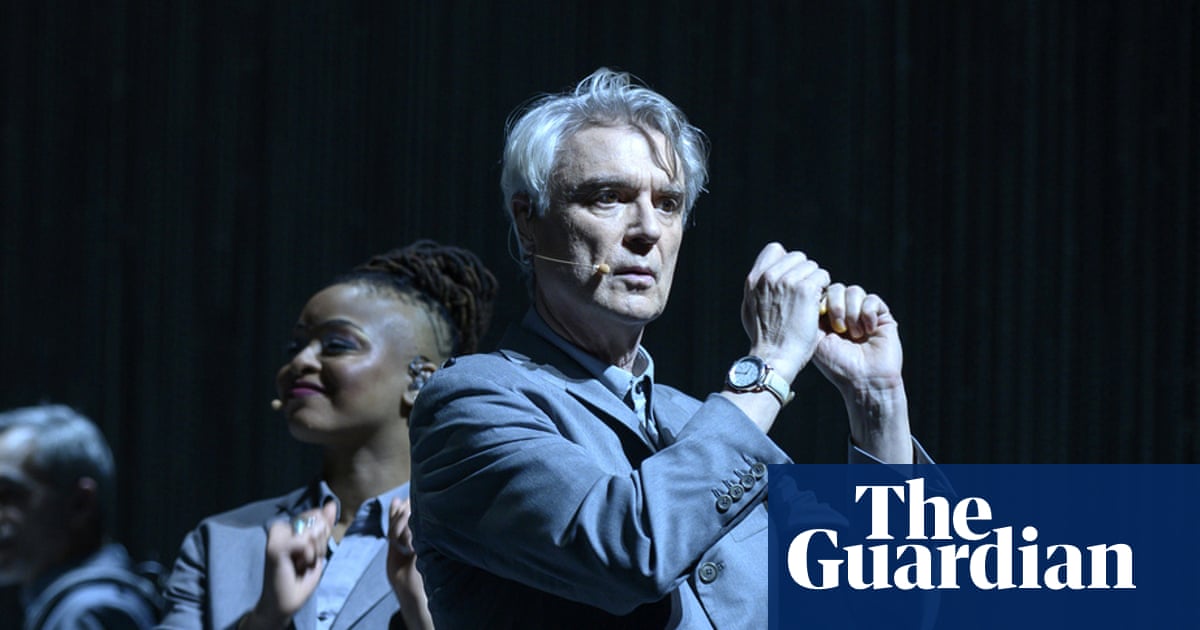
David Byrne, the influential musician and former frontman of the new wave band Talking Heads, is preparing to engage directly with his audience as he marks the release of his celebrated concert film, American Utopia, in a high-definition 4K format. Known for his eclectic career, erudite songwriting, and a penchant for theatrical live performances, Byrne continues to command international attention for his creative output well into his career. This upcoming opportunity for fans to submit questions offers a rare look into the mind of an artist who helped define the sound of the 1970s New York music scene.
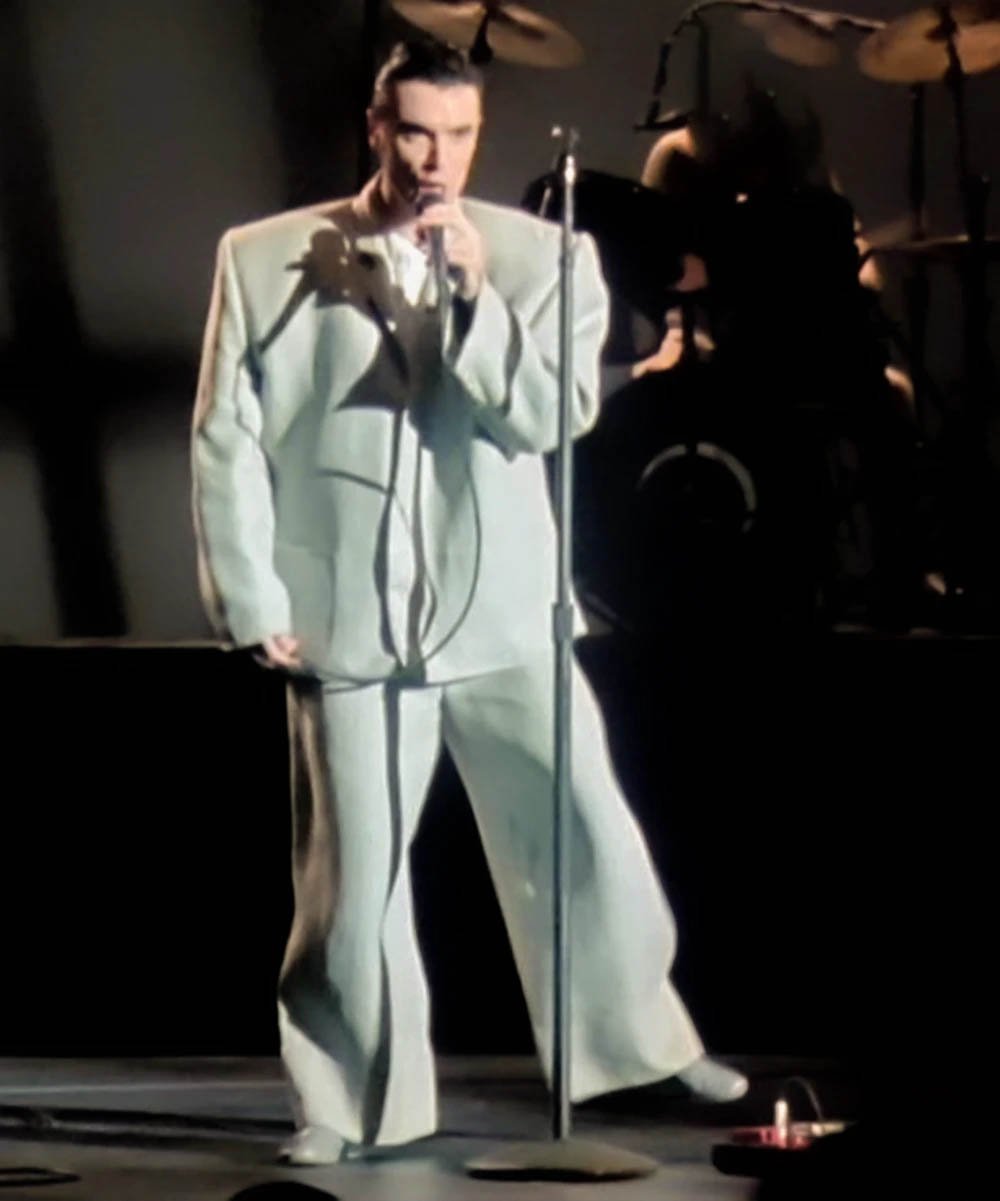
Byrne’s trajectory from the burgeoning underground scene of Manhattan to global recognition remains a subject of intense interest for music historians and casual listeners alike. With Talking Heads, he helped shepherd a sound that blended funk, art-pop, and new wave, resulting in a catalog of eight studio albums that remain staples of the genre, including iconic tracks such as “Once in a Lifetime” and “Burning Down the House.” The artist, who was born in Scotland and later settled in the United States, has consistently pushed the boundaries of what a concert film can achieve, most notably with the 1984 production Stop Making Sense, which featured his signature “big suit” and a memorable dance with a floor lamp.
The Evolution of the American Utopia Concert Film
The transition of the American Utopia tour into a 4K cinema experience marks the latest evolution in Byrne’s long-standing collaboration with visual storytelling. The project, which originated as a Broadway production, captures the kinetic energy and choreographic precision that have become hallmarks of his recent live performances. By moving this performance to a 4K format, the production aims to preserve the intricate details of the stagecraft, which relies heavily on a mobile ensemble of musicians and dancers who move freely across the stage.
For those tracking the technical specifications of the release, the 4K restoration serves as a modern benchmark for concert cinematography. The shift to ultra-high-definition allows viewers to appreciate the specific lighting cues and minimalist aesthetic that Byrne intentionally curated for the tour. This commitment to technical excellence mirrors his earlier work, where he famously incorporated unconventional stage elements to challenge audience expectations of what a rock concert should look like.
A Legacy Defined by Innovation
Byrne’s career has been characterized by a restless curiosity, often blending music with social commentary and performance art. His work with Talking Heads, which formed in the mid-1970s, remains a critical case study in how a band can balance commercial success with avant-garde sensibilities. Critics often point to his ability to retain a “puckish wit” while navigating complex musical structures as the primary driver behind the band’s longevity and enduring influence on modern alternative music.
The “big suit,” which became a visual shorthand for Byrne’s persona, was not merely a costume but a deliberate choice to alter his physical silhouette on stage. This focus on the visual language of music is something he has carried forward into his solo work and the American Utopia project. By choosing to answer audience questions, Byrne opens a dialogue about the creative choices that have spanned his decades-long career, from the early days at CBGB in New York to his current status as a multidisciplinary artist.
How to Participate in the Upcoming Q&A
As the rollout for the 4K version of American Utopia progresses, fans are invited to submit their inquiries regarding his music, his creative philosophy, and the future of his live projects. This interactive session provides a platform for listeners to connect with the artist directly, offering insight into how he continues to maintain such a high pedigree as a performer. As of June 9, 2026, further details regarding the specific platform for the Q&A and the deadline for submissions will be provided through official channels.
We encourage readers to stay tuned for further updates as they become available. If you have a question you would like to see addressed or a specific aspect of Byrne’s work you find most compelling, please feel free to share your thoughts in the comments section below. Your participation helps foster a deeper conversation about the impact of his work on contemporary culture.
Worth a look