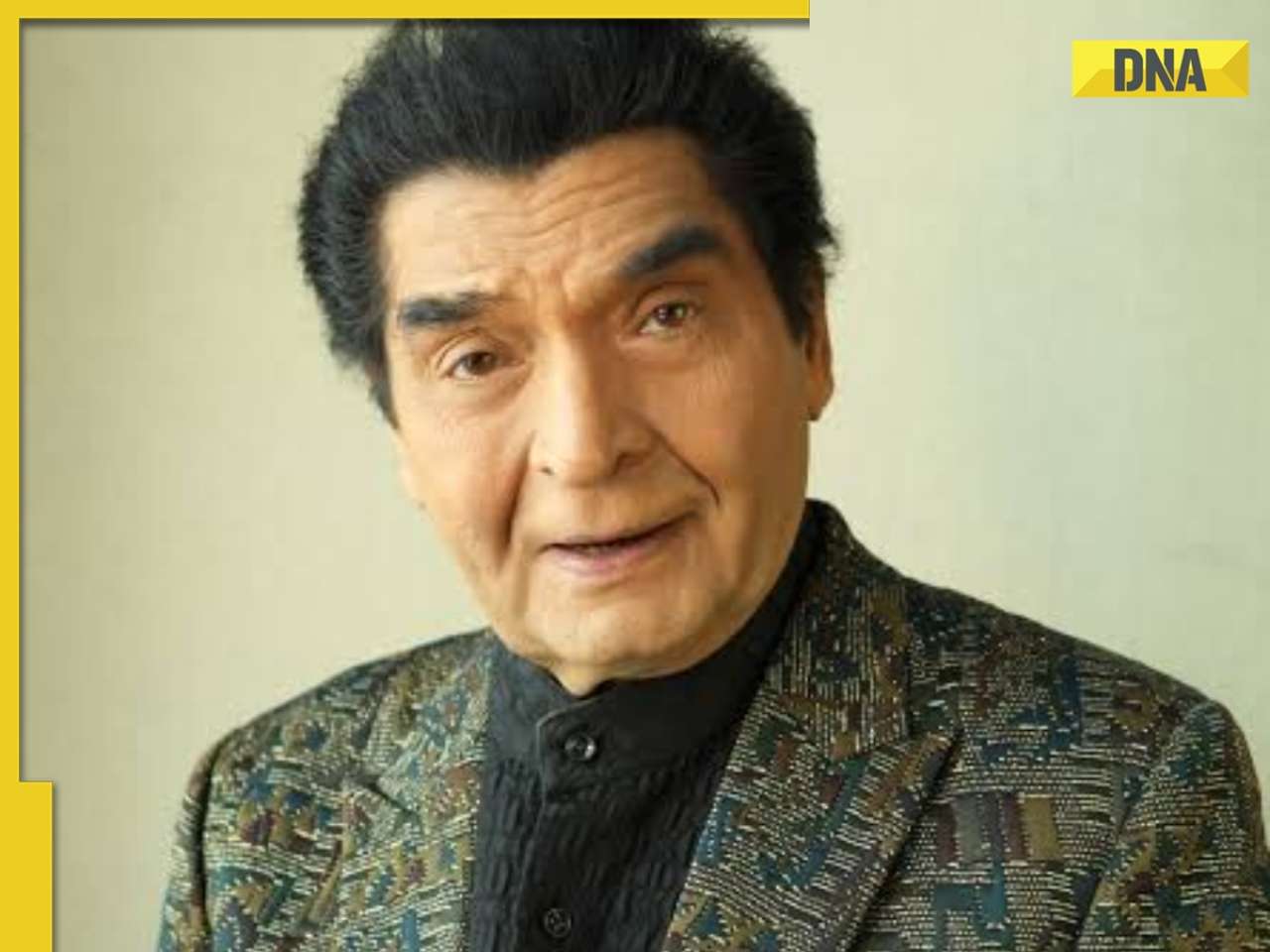
Remembering Govardhan Asrani: A Life Dedicated to laughter in Indian Cinema
The world of Indian cinema mourns the loss of Govardhan Asrani, a veteran actor and director whose comedic timing and versatile performances graced the silver screen for over five decades. Asrani passed away on October 21, 2024, in Mumbai, at the age of 84, following a period of illness. His passing marks the end of an era for hindi cinema, leaving behind a legacy of laughter and memorable characters.Remarkably, just hours before his death, Asrani shared a Diwali greeting with his fans on social media, a testament to his enduring spirit and connection with his audience.
But who was the man behind the iconic roles? This article delves into the life and career of Govardhan Asrani, exploring his journey from a hopeful student in Jaipur to a beloved figure in Bollywood, and examining his lasting impact on Indian cinema.
From Jaipur to the Film Institute: The Early Years
Born and raised in Jaipur, Rajasthan, Govardhan Asrani received his early education at St. Xavier’s School. A passion for performance led him to pursue formal training at the prestigious Film and Television Institute of India (FTII) in Pune. This foundational education proved crucial,honing his skills and preparing him for a career in the burgeoning Hindi film industry. He entered the industry in the mid-1960s, initially taking on serious and supporting roles.
FTII Website – Explore the institution that shaped generations of Indian filmmakers and actors.
The Rise of a comedic Icon
While Asrani initially explored dramatic roles, it was his natural flair for comedy that truly set him apart. The 1970s and 80s witnessed his ascent as a comedic mainstay in Hindi cinema. He wasn’t simply a comedian; he was a character actor who could seamlessly embody a range of personas - the lovable fool, the exasperated clerk, the rapid-witted sidekick. His impeccable timing, expressive face, and ability to deliver punchlines with effortless grace made him a favorite among directors and audiences alike.
He wasn’t limited to slapstick; Asrani’s comedy often stemmed from relatable situations and endearing vulnerability. This nuanced approach resonated with viewers, solidifying his position as a beloved figure in Indian households.
An Immortal Performance in ‘Sholay‘ and Beyond
Asrani’s career boasts an extraordinary filmography of over 350 films, but one role stands out as particularly iconic: his portrayal of the bumbling jailor in Ramesh Sippy’s epic ‘Sholay’ (1975). His hilarious parody of Hitler,complete with exaggerated mannerisms and a distinctive accent,became an instant classic and remains deeply ingrained in Indian pop culture. The scene is consistently ranked among the most memorable in Hindi cinema history.
IMDb – Sholay – Relive the magic of ‘Sholay’ and explore its enduring legacy.
however, to define Asrani solely by ‘Sholay’ would be a disservice to his versatility. He delivered memorable performances in films like:
* Chupke Chupke (1975): A masterclass in comedic timing alongside Dharmendra and Amitabh Bachchan.
* Aaj Ki Taaza Khabar (1973): Showcasing his dramatic range alongside Anupam Kher.
* Chala Murari Hero Banne (1977): A film he also directed, demonstrating his multifaceted talent.
He forged memorable comedic partnerships with fellow actors like Mehmood, rajesh Khanna, and later, Govinda, effectively bridging generations of Bollywood comedy.
Beyond Acting: A Foray into Direction
Asrani’s creative ambitions extended beyond acting. He ventured into direction, helming films like ‘Chala Murari Hero Banne’ and several Gujarati movies. This demonstrated his comprehensive understanding of filmmaking and his desire to explore different facets of the industry. His directorial efforts, while less widely known than his acting roles, further cemented his status as a true all-rounder in Indian cinema.
A Peaceful Farewell
In a poignant reflection of his personality, Govardhan Asrani requested a simple and private farewell. He expressed to his wife, Manju, his desire to leave peacefully, without the fanfare often associated with celebrity funerals. His last rites were performed at Santacruz Crematorium, attended only by close family. This quiet dignity in his final moments
Related reading