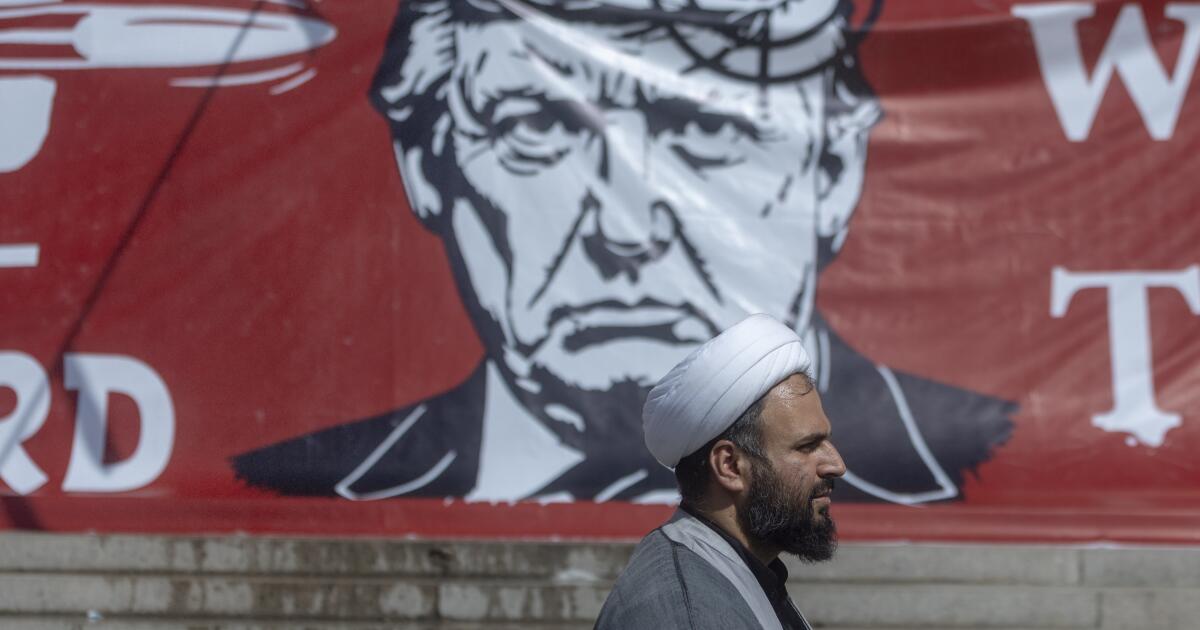
U.S. federal authorities have significantly intensified investigations into alleged Iranian plots targeting former President Donald Trump, citing a persistent pattern of threats that have evolved alongside broader geopolitical tensions in the Middle East. According to the U.S. Department of Justice and federal law enforcement agencies, these efforts represent a sustained campaign by Tehran to conduct extraterritorial operations against high-profile American political figures, a dynamic that complicates the already fragile landscape of U.S.-Iran relations.
The convergence of these assassination threats with the ongoing regional war has created a high-stakes intelligence environment for U.S. officials. As the administration navigates the endgame of current Middle Eastern hostilities, the persistent targeting of the former president remains a focal point for national security agencies, which continue to track communications and logistical movements linked to Iranian operatives. Recent indictments and public disclosures from the Department of Justice have detailed specific, thwarted attempts to influence or harm U.S. targets, marking a departure from historical norms of state-sponsored intelligence gathering.
Legal and Intelligence Framework
The U.S. government has utilized federal criminal complaints to document these alleged plots, providing a rare window into the intelligence community’s assessment of Iran’s operational reach. In November 2024, the Department of Justice unsealed charges against Farhad Shakeri, an individual the FBI identified as an asset for Iran’s Islamic Revolutionary Guard Corps (IRGC), alleging he was tasked with orchestrating a network of operatives to target U.S. and Israeli citizens, including the former president. The Department of Justice officially confirmed that these directives were part of a broader mandate to monitor and neutralize perceived threats to the Iranian regime.

These legal actions follow years of heightened security protocols around Donald Trump, which gained additional scrutiny following an attempted assassination in Butler, Pennsylvania, on July 13, 2024. While the FBI has not linked the domestic shooter in that specific incident to a foreign state actor, the proximity of the event to the broader intelligence reports regarding Iranian threats has fueled intense debate among policymakers. The U.S. intelligence community continues to distinguish between domestic lone-actor threats and the coordinated, state-sponsored plots originating from the IRGC, though both scenarios necessitate a significant deployment of Secret Service and federal protective resources.
Geopolitical Implications and the War Endgame
The persistence of these threats poses a direct challenge to any potential diplomatic pathways regarding the war in Gaza and the broader regional conflict. Analysts note that the use of assassination as a policy tool by state actors forces the U.S. to maintain a posture of deterrence that often precludes traditional back-channel diplomacy. According to the Office of the Director of National Intelligence, Iran views such operations as a means of projecting power and retaliating for the 2020 killing of Qasem Soleimani, the former commander of the IRGC’s Quds Force.
The impact on the current war endgame is twofold. First, it complicates the U.S. position in regional negotiations, as the administration must balance the need for de-escalation with the requirement to respond to direct threats against its domestic leadership. Second, it shifts the focus of the Iran portfolio from nuclear non-proliferation and regional stability to direct counter-terrorism and domestic security. This shift has been evidenced by the strengthening of sanctions against individuals and entities tied to the IRGC’s extraterritorial operations, as announced by the U.S. Department of the Treasury in recent months.
Operational Security and Future Challenges
The security apparatus surrounding former President Trump remains at an elevated level, with the Secret Service implementing adjusted protective measures in response to the intelligence assessments. The challenge for federal agencies lies in the decentralized nature of these alleged plots, which often involve non-state actors or criminal networks recruited by intelligence services to maintain plausible deniability. This methodology makes the identification and disruption of such plots an ongoing, resource-intensive endeavor for the FBI and the Department of Homeland Security.

Looking ahead, the next checkpoint for these investigations will likely involve the progression of the criminal cases currently pending in the Southern District of New York. As the judicial process unfolds, additional evidence regarding the command and control structure of these operations may become public, potentially altering the diplomatic calculus for the incoming administration. The U.S. government maintains that it will continue to hold any foreign actor accountable for attempting to threaten the lives of American officials, a stance that remains a cornerstone of current foreign policy.
For readers interested in the ongoing legal proceedings, the Department of Justice provides regular updates on official press releases, where court filings and indictments are published as they are unsealed by the court. Public discourse on these matters continues to evolve, and further information is expected to be presented during upcoming pre-trial hearings for the defendants currently in custody.
This report will be updated as further information becomes available through official court filings and intelligence disclosures. Please share your thoughts and contribute to the conversation in the comments section below.
Keep reading