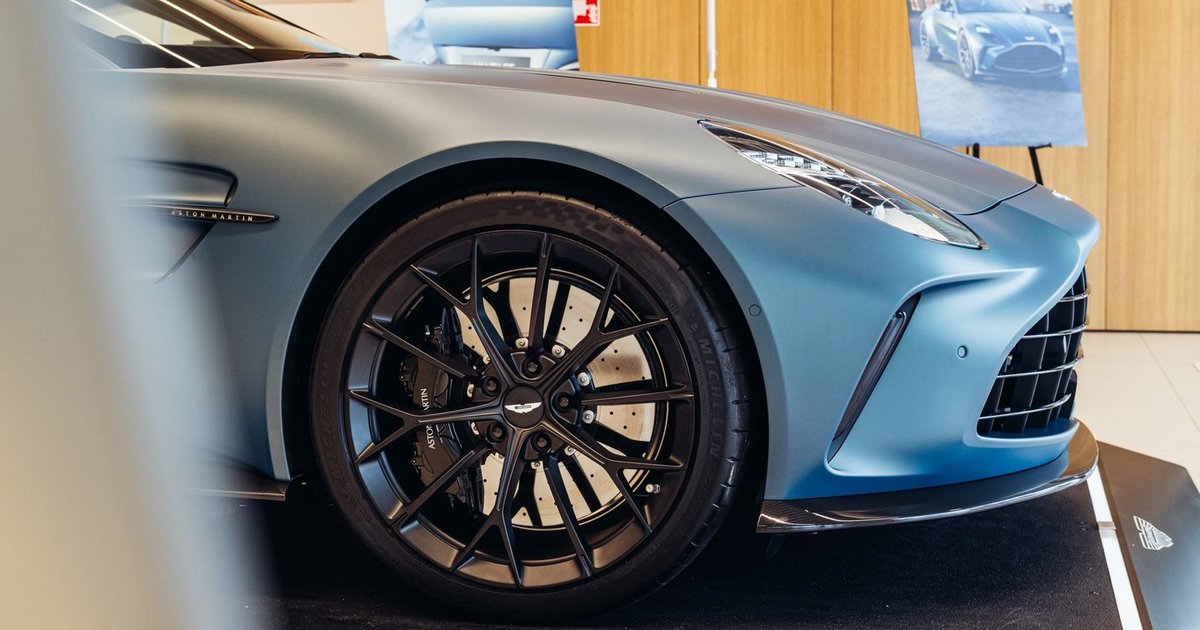
Aston Martin faces potential legal action from a group of existing creditors owed approximately £1.3 billion. The creditors object to a recent £550 million financing package from HPS Investment Partners, warning that the debt deal and a proposed transfer of intellectual property rights could compromise their financial security.
Luxury automaker Aston Martin Lagonda Global Holdings Plc has found itself at the center of a high-stakes financial dispute. A faction of its lenders is pushing back against management’s latest capital-raising maneuvers, setting the stage for a potential courtroom showdown that threatens the 113-year-old carmaker’s fragile financial recovery.
The £550 Million HPS Financing Package and Drop-Down Structure
In late July, TV3 secured a vital £550 million ($738.38 million) debt financing package led by funds managed by BlackRock-owned HPS Investment Partners. The transaction includes a £450 million secured term loan, a £100 million delayed draw term loan, and a separate £100 million permitted debt incurrence capacity.
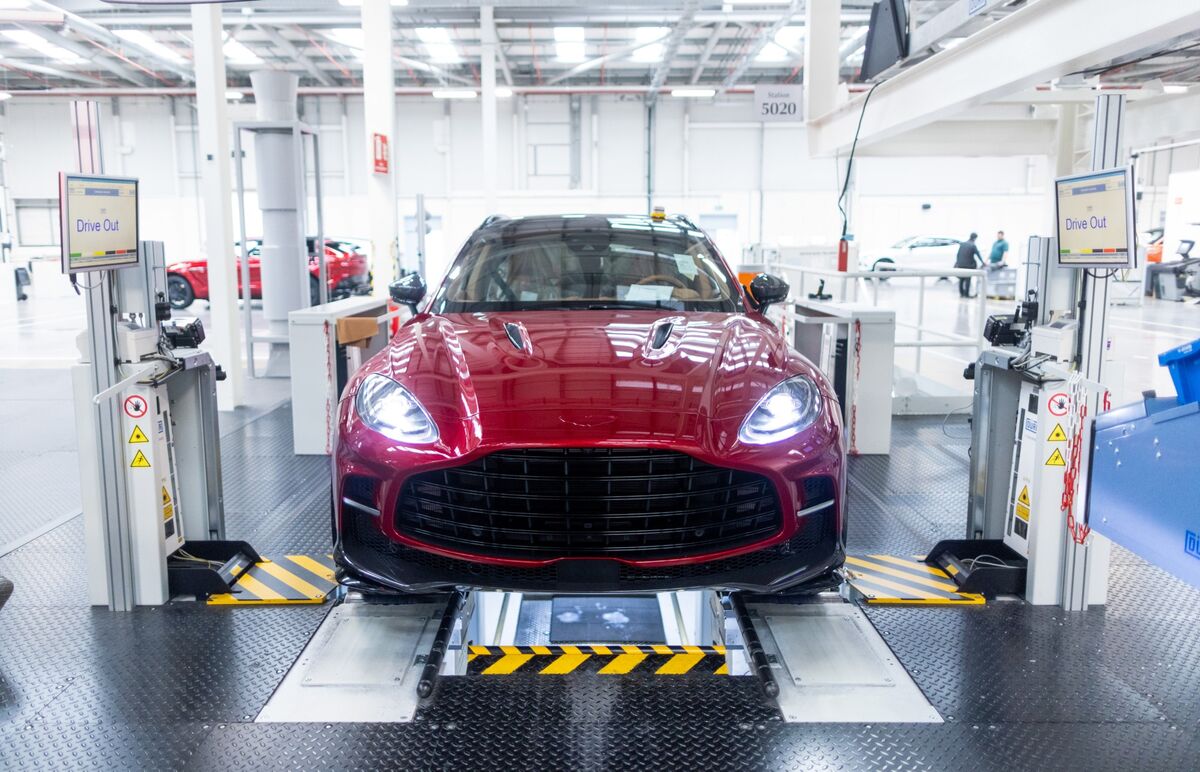
According to financial reports, the new loan is secured by a portion of group assets transferred into a newly established subsidiary—a financial arrangement known as a drop-down. Existing creditors worry this maneuver effectively places valuable assets beyond their reach, weakening their standing if the luxury carmaker requires further rescue measures.
The Letter Before Action and Threats of Legal Blocks
Tensions boiled over when a group of lenders owed an estimated £1.3 billion took direct action. The disgruntled creditors sent a letter before action
to the company’s board, warning that they are prepared to seek court interventions to unwind the HPS transaction and block the disposal of specific intellectual property assets.
Lenders argue that the transaction violates earlier borrowing terms by diminishing the collateral value of existing bonds without their explicit consent. Further exacerbating the friction, the financial arrangement reportedly leaves certain lenders in the dark. Aston Martin has allegedly refused to share full details of the HPS agreement with all parties holding its existing debt.
Disputed Branding Rights and Authentic Brands Partnership
At the heart of the widening rift is a condition tied to the additional capital. An extra £100 million under the HPS financing umbrella is reportedly contingent on the carmaker transferring a 50.1% stake in its non-automotive intellectual property to U.S. brand developer Authentic Brands.
Although the transfer excludes direct car manufacturing rights, the Aston Martin name holds substantial commercial value across clothing lines, accessories, and global licensing partnerships. Existing creditors have scrutinized this transfer because HPS is also an investor in Authentic Brands, raising questions over potential conflicts of interest in how the prestigious name is monetized.
This monetization strategy follows earlier asset-leveraging efforts by the automaker. Earlier in the year, Aston Martin sold the right to use its name to a Formula 1 team controlled by businessman Lawrence Stroll for £50 million. With the company continuing to battle cash pressures stemming from soft demand in China, U.S. tariffs, and expensive electrification programs, lenders are increasingly wary of management parting out the brand’s core intellectual property to plug ongoing financial gaps.
Keep reading