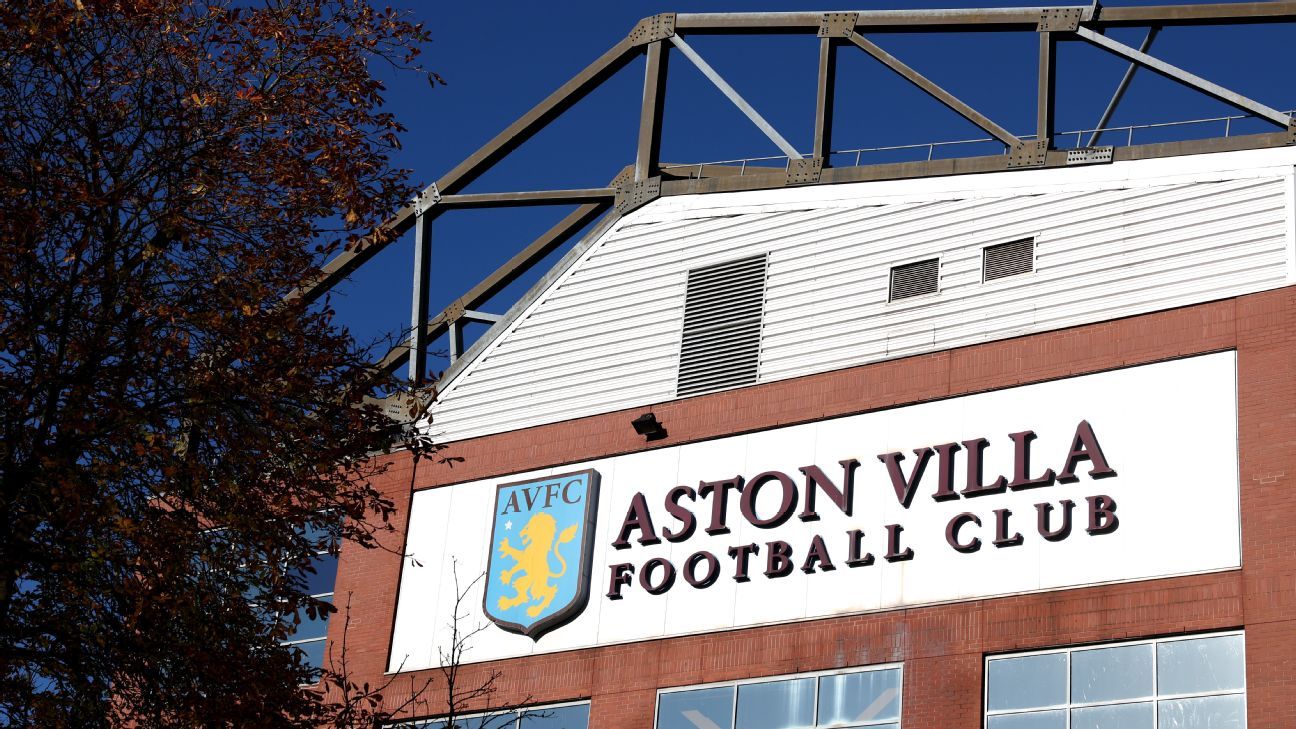
europa League Clash Between Aston Villa and Maccabi Tel Aviv Under Heightened Security Amidst Protests
The upcoming Europa League group stage match between Aston Villa and Maccabi Tel Aviv on Thursday is set to unfold under a significantly heightened security presence. Over 700 police officers will be deployed around Villa Park, responding to concerns surrounding potential protests and ensuring the safety of all involved. This isn’t simply a standard security operation for a European football fixture; itS a complex undertaking navigating a sensitive geopolitical climate and balancing the rights to both support and protest. But what exactly led to this situation, and what can fans and residents expect?
The Context: A Match Steeped in Controversy
The fixture has been overshadowed by the ongoing conflict in the middle East. Initial plans to ban away supporters from Maccabi Tel Aviv, stemming from a risk assessment by West Midlands Police, sparked considerable debate. The decision, made by the Safety advisory Group (SAG) responsible for Villa Park’s safety certificates, aimed to mitigate potential clashes and ensure public order. This move drew criticism from political figures, including Labor leader Sir Keir Starmer, who questioned the blanket ban.
However, the situation took an unexpected turn when Maccabi Tel Aviv announced thay would not take up their ticket allocation, even if offered. The club cited the “toxic atmosphere” created by the initial ban as the reason for their decision, effectively declining the opportunity to have supporters present.
This sequence of events highlights the delicate balance authorities are attempting to strike - a balance between security concerns, the principles of open sporting competition, and the freedom of expression.
What to Expect: Policing and Disruption
Residents living near Villa Park have been warned to anticipate meaningful disruption on match day. The extensive policing operation will encompass a visible presence of uniformed officers, mounted police, canine units, drone surveillance, and specialized road policing teams. Chief Superintendent Tom joyce of West Midlands Police emphasized the commitment to swift action against any unlawful behavior or incitement of hatred.
“Anyone who breaks the law will be dealt with directly, as will those who incite hate,” Joyce stated. “We have been working closely with partners… as we put in place our significant policing operation.”
The police are also preparing for planned protests from various groups. Their strategy focuses on facilitating peaceful presentation while upholding the safety and security of the wider Birmingham community. This involves ongoing dialogue with faith leaders and local community groups to address concerns and ensure a coordinated response.
Beyond the Game: understanding the broader Implications
This situation raises important questions about the intersection of sport and politics. should sporting events be impacted by geopolitical conflicts? How can authorities effectively balance security concerns with the rights of fans and protesters? And what responsibility do clubs have to address the potential for their matches to become platforms for political expression?
The decision-making process surrounding this match – from the initial ban to Maccabi’s subsequent withdrawal – underscores the complexities involved. It’s a case study in risk management, public safety, and the challenges of navigating a world where sporting events are increasingly intertwined with broader social and political issues.
Evergreen Insights: Security at Football Matches – A Growing Trend
The increased security measures surrounding the Aston villa vs. Maccabi Tel Aviv match aren’t an isolated incident. Across Europe, and increasingly globally, football matches are facing heightened security protocols. This trend is driven by several factors:
* Rising Geopolitical Tensions: Global conflicts and political instability frequently enough spill over into the sporting arena, increasing the risk of protests and potential violence.
* Terrorism Concerns: Large public gatherings, like football matches, remain potential targets for terrorist attacks, necessitating robust security measures.
* Fan Disorder: While less frequent than in the past, incidents of fan disorder and hooliganism still occur, requiring police intervention.
* technological Advancements: The use of drones, CCTV, and facial recognition technology is becoming increasingly common in football stadium security.
This evolving landscape demands a proactive and adaptable approach to security planning, involving close collaboration between police, clubs, and local authorities.
FAQ: Aston Villa vs. Maccabi Tel Aviv – Your Questions Answered
1. Why were Maccabi Tel Aviv fans initially banned from attending the Aston Villa match?
The initial ban stemmed from a risk assessment conducted by West Midlands Police,citing concerns about potential public disorder and safety risks related to the ongoing conflict in the Middle East.
2. What is the Safety Advisory Group (SAG) and what role did they play?
The SAG is responsible for issuing safety certificates for matches at Villa Park. They upheld the police’s risk assessment and initially prevented away fans from attending.
- China Mobile Provides High-Tech Network Support for Guizhou Provincial Games and Qiannan’s 70th Anniversary
- 2026 Senior League Baseball World Series: Schedule, Teams, and How to Watch
- EU Nations Urge Internal Affairs Commissioner on New Migration and Security Policies (archyde.com)
- Samsung August Security Update Patches 56 Vulnerabilities (archynewsy.com)