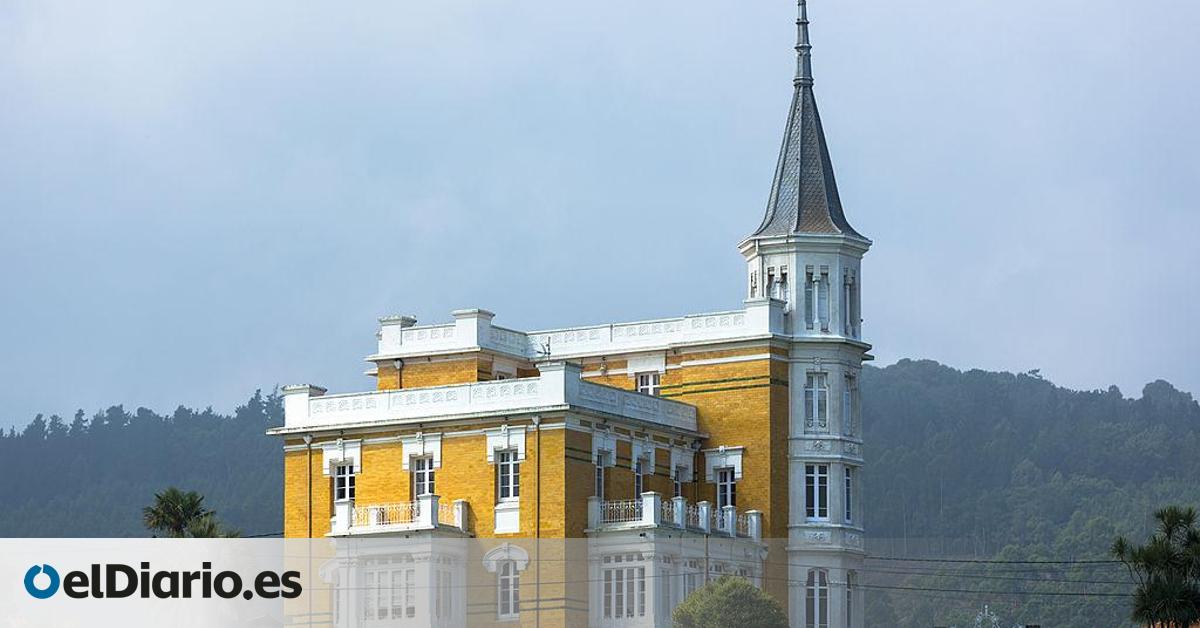
The Colorful Legacy of Asturias’ “Indianas” Houses
Asturias, a region in northern Spain renowned for its lush landscapes and rugged coastline, holds a unique architectural treasure: the “casas indianas.” These striking homes, often adorned with vibrant colors, ornate detailing, and exotic gardens, stand as a testament to the fortunes made – and brought home – by Asturian emigrants who ventured to the Americas during the 19th and 20th centuries. More than just dwellings, these buildings represent a fascinating chapter in Spanish history, a story of ambition, cultural exchange, and the enduring ties between a people and their homeland.
For decades, thousands of Asturians crossed the Atlantic seeking opportunities in countries like Cuba, Mexico, and Argentina. Many found success in industries ranging from mining and agriculture to commerce and trade. Those who prospered often returned to Asturias, not simply to retire, but to invest in grand homes that reflected their newfound wealth and status. These weren’t merely displays of affluence; they were statements of social climbing, designed to emulate the lifestyles they had witnessed – and participated in – across the ocean. The houses became tangible symbols of their success, a way to demonstrate to their communities the rewards of their journey.
The phenomenon of the “casas indianas” is particularly concentrated in the eastern part of Asturias, with the town of Colombres in Ribadedeva considered the epicenter of this architectural style. According to National Geographic, Colombres boasts the highest concentration of these palatial homes in Spain. Walking through the streets of Colombres is like stepping back in time, with each building telling a silent story of adventure and achievement.
A History Rooted in Emigration
The wave of Asturian emigration to the Americas began in the mid-19th century, driven by economic hardship and limited opportunities in the region. Asturias, traditionally an agricultural society, faced challenges such as land scarcity and a lack of industrial development. The Americas, with their burgeoning economies and demand for labor, offered a beacon of hope for those seeking a better life. Cuba, in particular, became a major destination, attracting Asturian workers to its sugar plantations and tobacco farms. Later, opportunities arose in Mexico, Argentina, and other Latin American countries.
The success of Asturian emigrants varied, but many achieved considerable wealth. They established businesses, acquired land, and rose through the ranks in various industries. As they prospered, they maintained strong ties to their families and communities back home, sending remittances and, eventually, returning to invest in their native region. The “casas indianas” were a direct result of this economic flow, representing the tangible benefits of emigration for both the individuals who made their fortunes and the communities they left behind.
Architectural Styles and Influences
The architectural style of the “casas indianas” is remarkably diverse, reflecting the eclectic tastes of the returning emigrants and the architectural trends prevalent in the Americas during the late 19th and early 20th centuries. Even as there isn’t one single defining style, common features include:
- Bold Colors: Many houses are painted in vibrant hues, often inspired by the tropical landscapes of the Americas.
- Ornate Detailing: Elaborate facades, intricate ironwork, and decorative moldings are hallmarks of these homes.
- Modernist and Neoclassical Elements: Influences from both Modernism and Neoclassicism are frequently visible in the design.
- Exotic Gardens: Palm trees, imported plants, and meticulously landscaped gardens were popular additions, intended to evoke the atmosphere of the tropics.
- Large Windows and Balconies: These features allowed for ample light and ventilation, reflecting the warmer climates of the Americas.
The Quinta de Guadalupe, located in Colombres and now home to the Fundación Archivo Indianos, is a prime example of this architectural fusion. As noted in MSN, the Fundación Archivo Indianos preserves the memory of those who embarked on the journey to America. The building itself showcases the architectural grandeur characteristic of the era.
Visiting the Route of the “Indianas” Houses
Today, the “casas indianas” are a major tourist attraction in Asturias, drawing visitors from around the world eager to explore this unique architectural heritage. The Ruta de las Casonas de Indianos, primarily located in Colombres, offers a guided tour of some of the most impressive examples of these homes. The route also includes visits to other notable landmarks in the town, such as the Casa Consistorial (Town Hall) and the baroque Church.
Beyond Colombres, “casas indianas” can be found scattered throughout the Asturian countryside, particularly in coastal towns and villages. Exploring these hidden gems requires a bit more effort, but the rewards are well worth it. Many of the houses have been lovingly restored and are now used as hotels, restaurants, or private residences, offering visitors a chance to experience the charm and history of these remarkable buildings firsthand.
The Enduring Legacy
The “casas indianas” are more than just stunning buildings; they are a powerful symbol of the Asturian diaspora and the enduring connection between the region and its emigrant communities. They represent a period of significant economic and cultural exchange, and they serve as a reminder of the courage, ambition, and resilience of those who sought a better life in the Americas. The architectural legacy of the “indianos” continues to shape the landscape and identity of Asturias, attracting tourists and preserving a unique chapter in Spanish history.
The preservation of these homes is an ongoing effort, with local authorities and private owners working to restore and maintain these architectural treasures for future generations. The Fundación Archivo Indianos plays a crucial role in documenting and preserving the history of Asturian emigration, ensuring that the stories of those who crossed the Atlantic are not forgotten.
Key Takeaways
- The “casas indianas” are a unique architectural style found in Asturias, Spain, built by emigrants who returned from the Americas with wealth.
- Colombres is considered the epicenter of these homes, boasting the highest concentration in Spain.
- The architectural styles are diverse, blending modernist, neoclassical, and tropical influences.
- These homes represent a significant part of Asturian history and cultural heritage, symbolizing the connection between the region and its diaspora.
As tourism continues to grow in Asturias, the “casas indianas” are likely to remain a popular attraction, offering visitors a glimpse into a fascinating past. The ongoing preservation efforts will ensure that these colorful homes continue to tell their stories for years to come. For those planning a visit to Asturias, exploring the Ruta de las Casonas de Indianos is an essential experience, offering a unique and unforgettable journey through the region’s rich history and architectural heritage.
Further information on the region’s tourism can be found on the official tourism website of Asturias. We encourage readers to share their experiences and insights in the comments below.