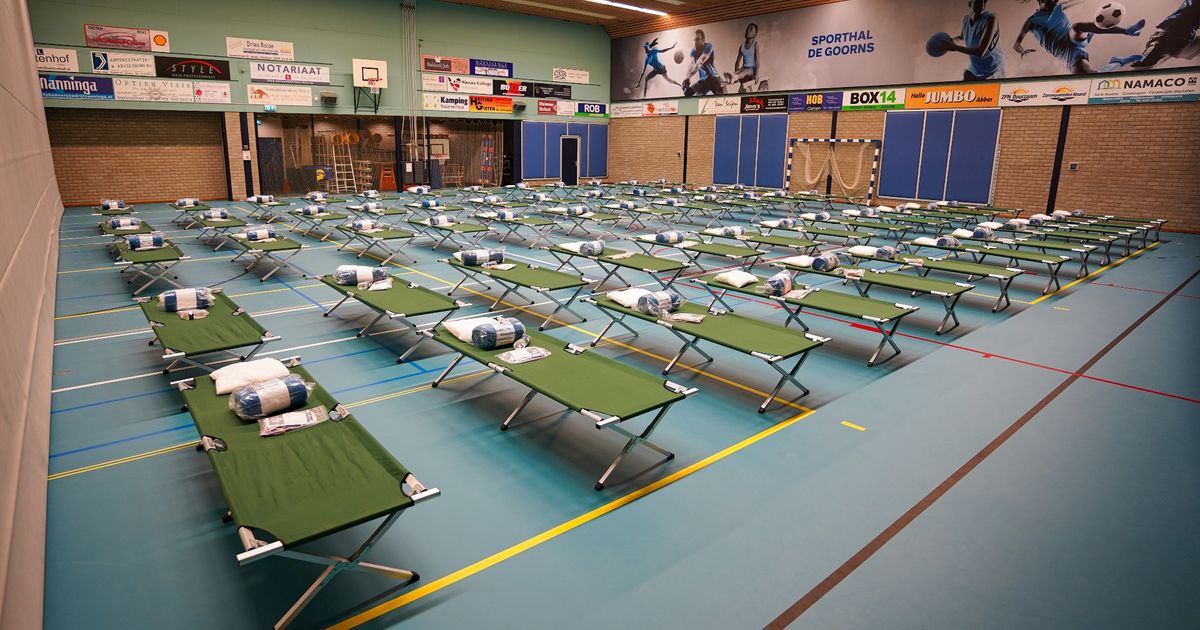
As the humanitarian situation at the Ter Apel registration center in the Netherlands remains critical, local authorities are once again turning to emergency measures to manage the influx of asylum seekers. On Thursday, June 4, 2026, concerns regarding the welfare of those awaiting processing reached a breaking point, prompting a temporary shift in overnight accommodation to Gieten. The ongoing strain on the national reception system has left many individuals in a state of uncertainty, exposed to inclement weather and fluctuating living conditions.
The persistent pressure on the Ter Apel facility, which serves as the primary gateway for asylum applicants in the Netherlands, has forced a fragmented response from regional municipalities. With the national reception capacity currently housing approximately 19,000 status holders—individuals granted residency who are awaiting permanent housing—the lack of flow-through has created a bottleneck that directly impacts the availability of beds for new arrivals, according to reports from the national broadcaster RTV Noord.
The Growing Humanitarian Challenge in Ter Apel
The situation in Ter Apel has been exacerbated by adverse weather conditions, which have significantly degraded the living environment for those forced to wait outside the registration center. The Red Cross, which has been monitoring the conditions on the ground, noted that the patience of waiting asylum seekers is wearing thin. The organization’s spokespeople have highlighted that the constant movement and lack of clear information regarding where individuals will spend the night contribute to an environment of instability and physical hardship.

While the Red Cross has distributed ponchos and improved the quality of temporary tents, these measures are acknowledged as stop-gap solutions. The uncertainty of the situation is compounded by the fact that many asylum seekers are repeatedly relocated to different temporary shelters, such as the sporthal in Gieten, creating a cycle of displacement that officials admit is unsustainable.
Municipal Efforts and the Broader Reception Crisis
In an effort to alleviate the immediate pressure, municipalities across the country are taking fragmented steps to support the national system. For instance, Haarlem recently announced it would provide temporary housing for approximately 30 status holders in a local hotel, as reported by RTV Noord. By moving these individuals out of crowded asylum seeker centers (azc’s), the city aims to free up capacity for new arrivals. However, Haarlem Mayor Jos Wienen emphasized that such local actions do not constitute a structural solution to the national problem.
“Only if the central government and all municipalities take their responsibility and make sufficient reception places available, will a fair distribution arise and we prevent the pressure on one location from becoming too great,” Wienen stated, according to public records. The reliance on ad-hoc arrangements, such as the use of sports halls in Drenthe, underscores the systemic failure to provide a stable, long-term infrastructure for asylum processing.
What Happens Next?
The reliance on emergency, short-term solutions is expected to continue until there is a significant shift in national policy regarding the distribution of asylum seekers and the availability of permanent housing for status holders. As of June 4, 2026, the temporary arrangement in Gieten provides a short-term respite for those currently in Ter Apel, but official statements suggest that Here’s not a permanent fix.
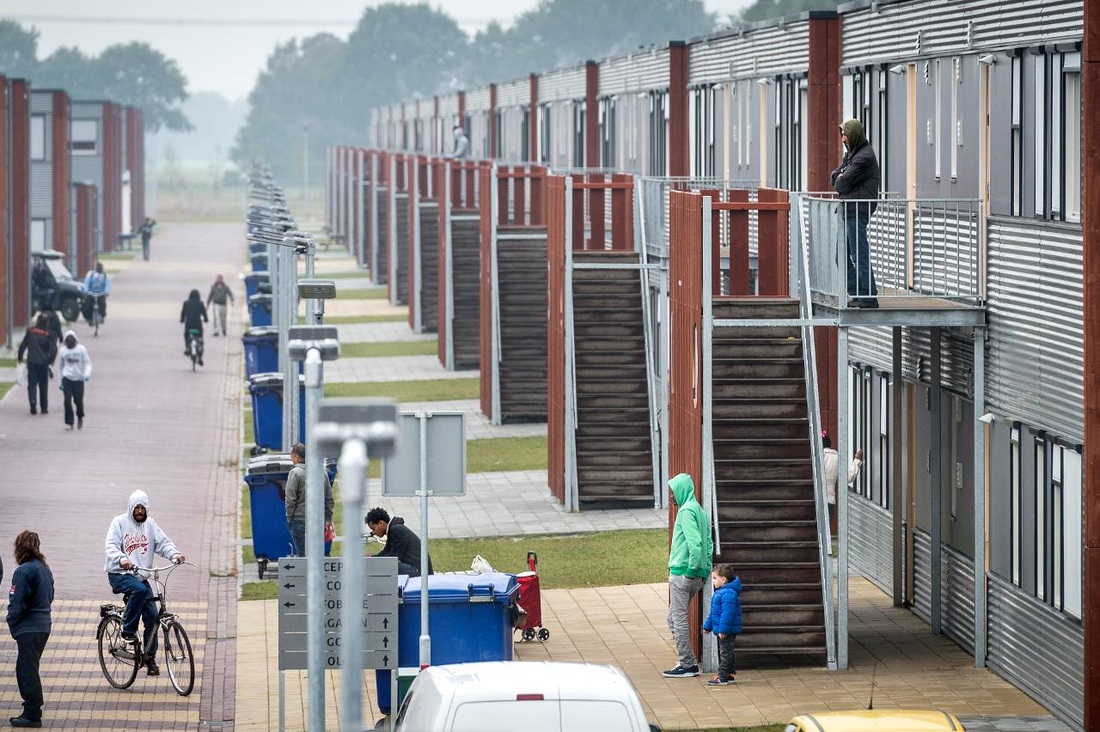
The Dutch government remains under pressure to ensure that all municipalities contribute their fair share to the national reception framework. Stakeholders and humanitarian organizations are expected to continue monitoring the situation at the Ter Apel registration center closely. For those seeking official updates or information on national reception policies, the Central Agency for the Reception of Asylum Seekers (COA) remains the primary source for documentation on current capacity and housing status.
We invite our readers to share their thoughts and experiences regarding the evolving humanitarian landscape in Europe. As this situation develops, we will continue to provide updates based on verified institutional reports and governmental announcements.
Keep reading