
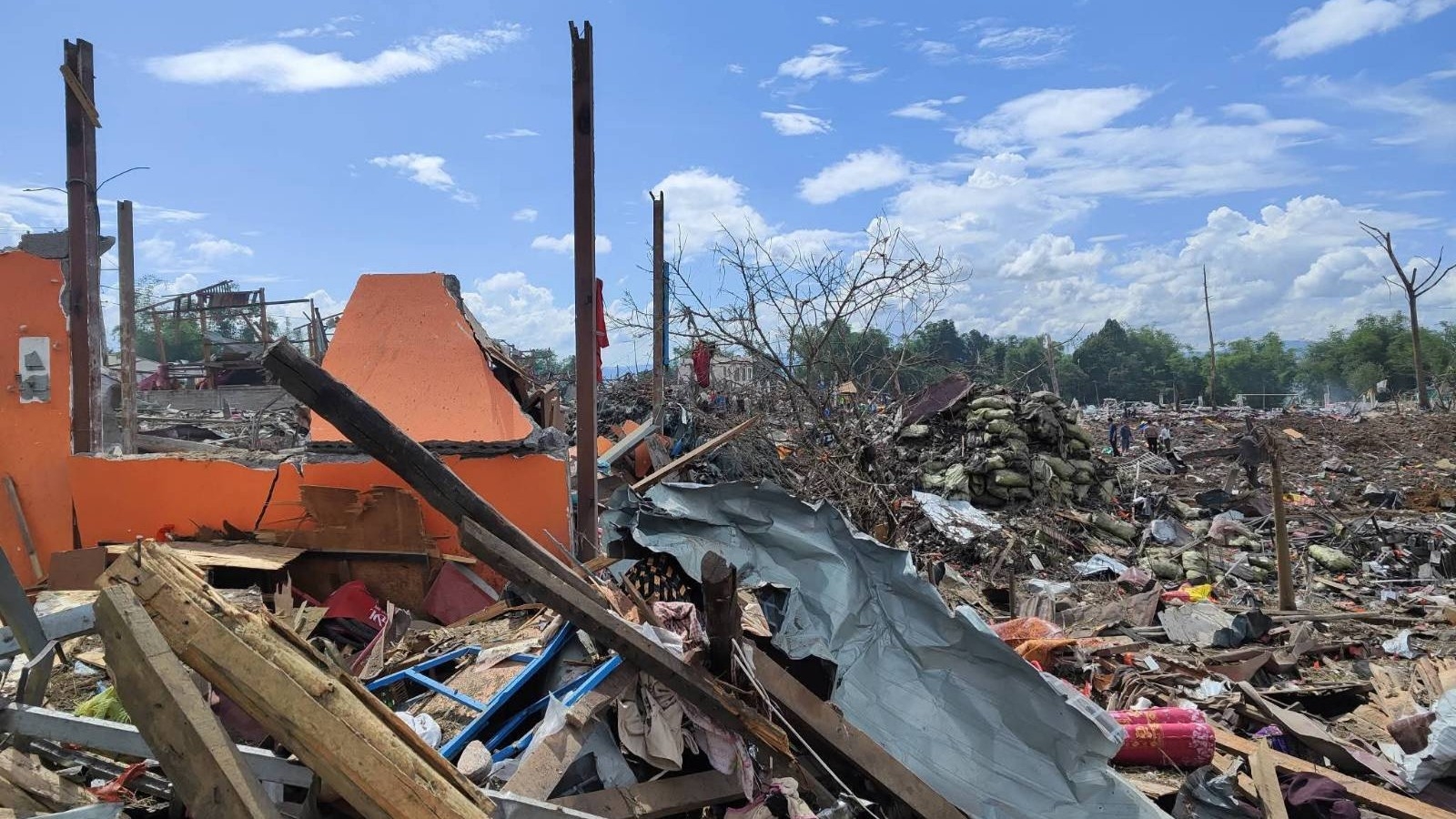
A catastrophic explosion at a storage facility in northeastern Myanmar has resulted in significant loss of life, raising urgent questions regarding industrial safety and the regulation of hazardous materials in the region. The incident, which occurred in a building used to house explosives intended for mining operations, left at least 45 people dead, according to reports confirmed by local authorities and rescue organizations.
The tragedy highlights the ongoing risks associated with unregulated or poorly managed industrial storage sites, particularly in areas where mining activity remains a pillar of the local economy. As the death toll reached at least 45, the event has drawn international attention to the safety protocols currently enforced across Myanmar’s mining sectors. While the immediate aftermath focused on recovery efforts, the broader implications for industrial oversight remain a primary concern for regional monitors and humanitarian groups.
Understanding the Incident in Hpakant
The explosion took place in the Hpakant township of Kachin State, an area globally recognized for its extensive jade mining operations. The facility in question was reportedly storing chemical materials and explosive compounds used to break through rock in the mining pits. According to on-the-ground assessments following the blast, the intensity of the detonation caused the complete destruction of the structure, complicating initial search and rescue operations for the victims trapped in the debris.
The high casualty count—at least 45 fatalities—reflects the density of workers and nearby residents in the vicinity of these industrial sites. Mining in Kachin State is often characterized by informal, high-risk labor practices. The proximity of residential areas to storage warehouses containing volatile explosives has long been cited by safety advocates as a major vulnerability. In this instance, the sheer force of the blast resulted in a significant number of casualties, marking one of the more severe industrial accidents in the region in recent years.
Safety Regulations and Industrial Oversight
The regulation of explosives in Myanmar’s mining industry has faced criticism due to a lack of transparency and enforcement. While national laws exist to govern the storage, transport, and use of industrial-grade explosives, the practical application of these rules is often hampered by the complex political and security landscape in states like Kachin. The Human Rights Watch organization has documented the broader challenges of accountability in the region, noting that industrial accidents are frequently underreported or investigated with limited transparency.

For observers of Myanmar’s development, the Hpakant explosion serves as a grim reminder of the human cost of resource extraction. The lack of standardized fire safety and storage protocols means that workers are often placed in environments where a single equipment failure or oversight can lead to mass-casualty events. Moving forward, the pressure to implement stricter, independently monitored safety audits is mounting, though local authorities have yet to announce a comprehensive overhaul of existing mining safety mandates.
Impact on Local Communities
The community in Hpakant is heavily dependent on the mining sector, which provides the primary source of income for thousands of families. However, the economic benefits are frequently offset by the environmental and personal risks associated with the industry. The families of those killed in the explosion face not only the loss of loved ones but also significant economic instability, as many were the sole breadwinners for their households.
Local rescue teams, including volunteers and civil society members, were the first to respond to the scene, highlighting the reliance on community-led initiatives in the absence of robust state-funded emergency services. The recovery effort was hampered by the remote nature of the site and the potential for secondary explosions, a common threat when dealing with damaged chemical storage facilities.
Key Takeaways on the Myanmar Mining Explosion
- Casualty Figures: At least 45 people were confirmed dead following the detonation of mining explosives.
- Location: The incident occurred in Hpakant, Kachin State, a region central to the nation’s jade mining activity.
- Cause: The explosion originated in a building used specifically for the storage of industrial mining explosives.
- Ongoing Concerns: Advocacy groups continue to highlight the lack of enforceable safety standards and the high risk posed to laborers in the region.
What Happens Next
At this stage, investigations into the precise cause of the blast remain ongoing. While initial findings point toward the accidental ignition of stored explosives, no official government report has yet detailed the specific sequence of events that led to the catastrophe. Stakeholders are currently awaiting updates from the local administration regarding whether any safety violations will lead to legal action against the facility operators.

For those following this developing story, we recommend monitoring official statements from international observer groups and regional humanitarian updates for any changes in the casualty count or new findings regarding the safety of other storage sites in the area. As the situation remains fluid, our newsroom will continue to track developments as they are verified through reliable, independent channels. We invite our readers to share their thoughts or provide context on regional industrial safety in the comments section below.