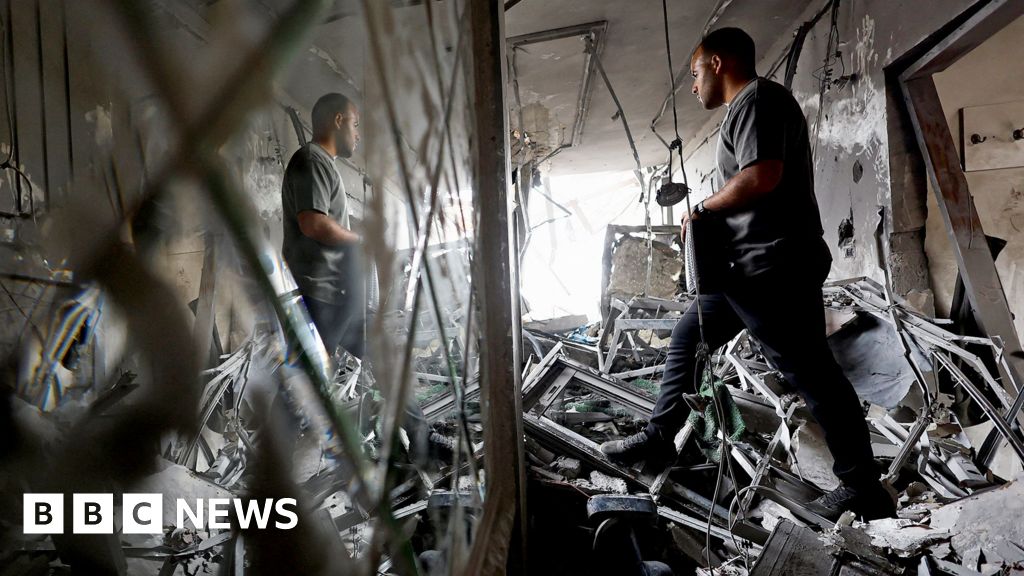
The security landscape in Gaza remains volatile as regional tensions reach a critical juncture. Recent reports confirm that an Israeli strike in Gaza City has resulted in the death of a senior figure identified as the leader of Hamas’s military wing, the Izz ad-Din al-Qassam Brigades. This development marks a significant escalation in the ongoing conflict, occurring despite the existence of a ceasefire agreement that was intended to stabilize the region.
As the international community monitors the situation, the implications of this targeted operation remain a central focus for humanitarian organizations and diplomatic mediators alike. The strike, which targeted a densely populated urban area, has once again underscored the fragility of attempts to maintain a cessation of hostilities in the Gaza Strip. According to reports from the Reuters news agency, the incident resulted in at least three confirmed fatalities, raising immediate concerns regarding the potential for renewed large-scale confrontations.
Operational Context and Escalation
The death of the military commander represents a high-profile loss for Hamas, which has maintained a complex command structure throughout the conflict. Historically, the Izz ad-Din al-Qassam Brigades have operated with a degree of autonomy, focusing on asymmetric warfare tactics that have frequently brought them into direct conflict with Israeli defense forces. The targeting of such a high-ranking official is indicative of a broader strategic shift in how security operations are being conducted in the region, focusing on the neutralization of leadership to disrupt the group’s operational capacity.

The timing of the strike is particularly contentious. International observers and mediators have been working to uphold a ceasefire, a framework designed to limit military engagement and facilitate the movement of essential humanitarian aid. The United Nations has repeatedly emphasized that the maintenance of such agreements is essential to preventing further civilian suffering in the enclave, where infrastructure remains severely compromised.
Humanitarian Impact and Civilian Safety
The civilian toll of such operations remains a primary concern for international human rights monitors. With at least three individuals reported killed in the immediate aftermath of the strike, the event highlights the extreme difficulty of conducting precision military operations within the confines of Gaza City, a region characterized by its high population density and limited civilian infrastructure. The International Committee of the Red Cross continues to urge all parties to prioritize the protection of non-combatants, noting that the rules of international humanitarian law must be strictly adhered to during any military activity.
For those living in Gaza, the reality of the conflict is a daily struggle for basic survival. The disruption caused by such strikes often leads to the suspension of critical services, including the delivery of medical supplies and the maintenance of power grids. As the situation evolves, the focus of the international community will likely remain on whether these tactical strikes will lead to a wider regional destabilization or if a fragile status quo can be restored.
Key Considerations for the Coming Days
- Mediator Response: Regional powers, including Egypt and Qatar, are expected to intensify diplomatic efforts to prevent a total collapse of the ceasefire agreement.
- Security Alerts: Residents in affected areas have been advised to monitor local updates for information regarding potential escalations or changes to movement restrictions.
- International Oversight: Diplomatic missions are currently assessing the impact of the strike on the broader geopolitical landscape, with an emphasis on preventing a wider regional conflict.
Looking Ahead
As of this writing, there is no confirmed timeline for official investigations into the specific circumstances surrounding this strike. The international community is waiting for formal statements from both Israeli authorities and Hamas leadership to understand the potential impact on future ceasefire negotiations. The situation remains fluid and stakeholders are encouraged to rely on official updates from recognized humanitarian bodies and verified diplomatic channels.

We will continue to track these developments as more information becomes available. If you have perspectives on the regional impact of these events, we encourage you to join the discussion in the comments section below. Share this report with your network to ensure accurate information reaches those tracking this developing story.
Worth a look