The Cracks in the System: Why Anti-Doping Efforts Are Losing Ground
The fight against doping in sports is facing a critical juncture. Recent events and ongoing challenges are eroding the credibility of the anti-doping movement, and frankly, its a situation that demands our immediate attention. its not just about fairness; it’s about protecting the integrity of the games we love and ensuring a level playing field for clean athletes.
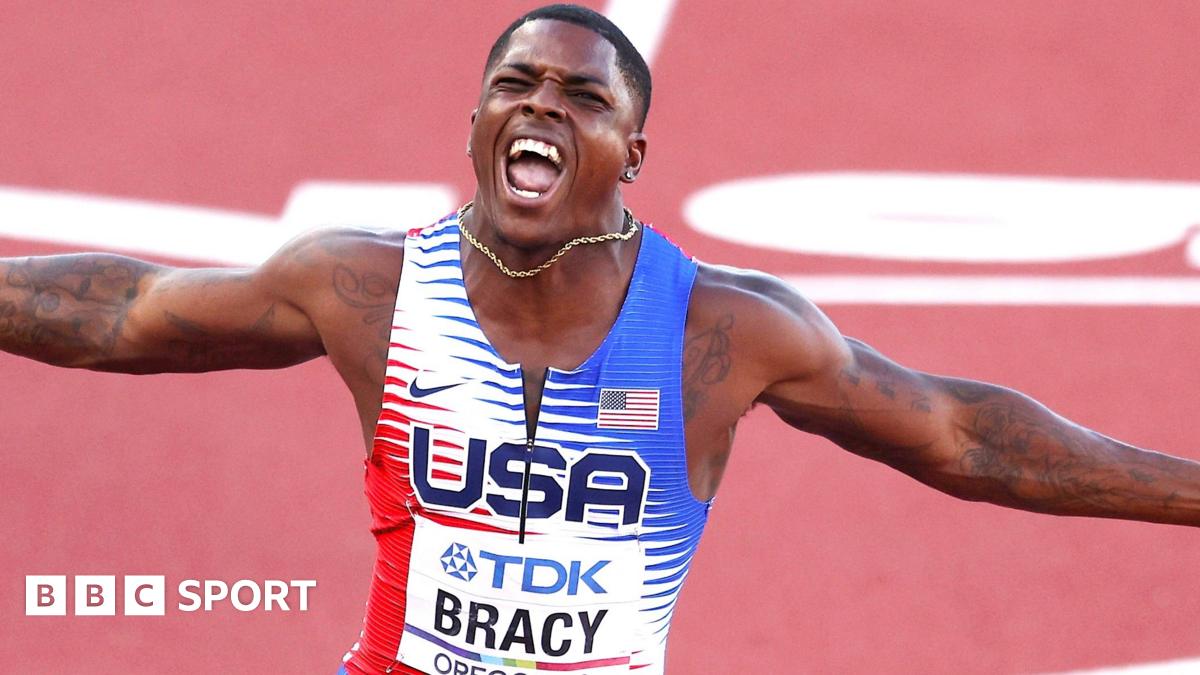
A growing number of high-profile cases are raising serious concerns. Consider the recent bans handed down to athletes like Marvin Bracy-Williams, a former world 100m silver medalist, and Erriyon Knighton, both caught violating anti-doping rules. Ruth Chepngetich, the women’s marathon world record holder, also faced a three-year ban after testing positive for a masking agent.
These aren’t isolated incidents. Thay represent a pattern that suggests a systemic weakness in our ability to effectively deter and punish doping.
A Fragmented Front
Unfortunately, the unity required for a truly effective global anti-doping system is fracturing. Several key issues are contributing to this breakdown:
* Disagreements between agencies: Conflicts have emerged between the World Anti-Doping Agency (WADA) and the US Anti-Doping Agency regarding the handling of a meaningful doping scandal involving Chinese swimmers.
* Emergence of pro-doping events: The planned “Enhanced Games” in Las Vegas, openly promoting the use of performance-enhancing drugs, directly challenges the core principles of clean sport.
* Ongoing non-compliance: Countries like Russia, with a history of state-sponsored doping – evidenced by the manipulation of samples at the 2014 Sochi winter Olympics – remain under scrutiny and are still deemed “non-compliant” by WADA.
* Watchlist nations: Kenya, a nation with a concerning number of positive doping tests among its athletes, is currently on WADA’s watchlist.
These divisions create loopholes and undermine the collective effort to keep sports clean. You might be wondering, what can be done?
Rebuilding Trust and Strengthening Enforcement
The solution isn’t simple, but it requires a multi-faceted approach. We need to move beyond simply reacting to positive tests and become more proactive in identifying and deterring doping.
Here are some key areas for advancement:
- Enhanced Information Sharing: Better collaboration and the seamless exchange of information between anti-doping organizations worldwide are crucial.This means breaking down silos and fostering a more unified intelligence network.
- Incentivized Reporting: Consider a “bounty-hunting” style system that incentivizes anti-doping bodies to actively pursue and expose cheating. Rewarding proactive investigation could substantially increase detection rates.
- Stronger Sanctions: Penalties for doping must be severe enough to act as a genuine deterrent, especially for those competing at the highest levels of sport.
- Protecting Clean Athletes: Ultimately, our focus must remain on supporting and protecting the athletes who compete with integrity. they deserve a fair chance to succeed based on their talent and hard work.
It’s time for a renewed commitment to clean sport. we must all – athletes, governing bodies, and fans – do our part to ensure a future where competition is based on skill, dedication, and fair play. Because, ultimately, the spirit of sport depends on it.
Let’s work together to restore trust in the anti-doping system and safeguard the integrity of the games for generations to come.
Related reading