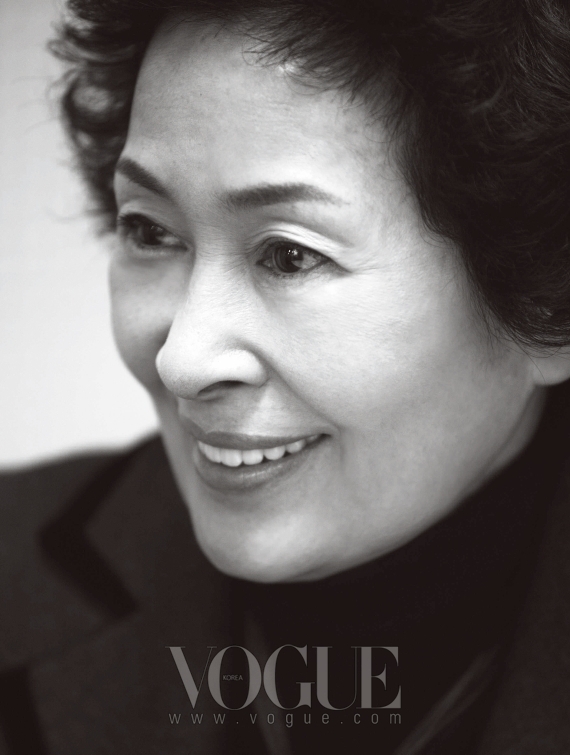
The leadership of the Liberation Association’s Southwest U.S. Chapter in Los Angeles has become a focal point of significant internal turmoil. While recent reports indicated the appointment of attorney Hye-ja Kim as the head of the LA branch—a move intended to honor the achievements of independence activists and carry the spirit of independence into the future—the organization is currently embroiled in a severe leadership dispute.
The Liberation Association, known in Korean as Gwangbokhoe, is a South Korean legal entity established under the Act on the Establishment of Associations by Persons of Distinguished Service to the State. We see primarily composed of Korean independence activists, their descendants, and bereaved families, with a mission to promote national spirit and foster socialization among its members Liberation Association – Wikipedia.
However, the stability of the association’s presence in the United States has been shaken by a “frontal collision” over representative rights. The Southwest U.S. Chapter has transitioned from a period of commemorative focus—marking milestones such as the 80th anniversary of liberation and the 60th anniversary of the association’s founding—into a period of legal and administrative conflict.
Internal Conflict and Mass Expulsions in the Southwest Chapter
The representative dispute within the Gwangbokhoe Southwest U.S. Chapter has escalated following a formal announcement by the chapter’s board of directors. In a move that underscores the depth of the internal rift, the board recently resolved to permanently expel six members from the organization.

The individuals named in the permanent expulsion order include Hye-ja Kim, So-hee Kwon, Young-nam Park, Guk-hee Bae, Mi-ra Jang, and Seok-wi Jang. This decisive action by the board has intensified the struggle for control and representative authority within the regional chapter 광복회 서남부지회, 6명 제명…대표권 분쟁 정면충돌.
This development creates a complex situation for the LA-based leadership. While the appointment of a legal professional like Hye-ja Kim was initially presented as a step toward strengthening the chapter’s administrative and honorary goals, her inclusion in the list of expelled members suggests a breakdown in governance and a contested mandate.
The Role of the Liberation Association in the Diaspora
To understand the weight of this dispute, it is necessary to recognize the cultural and historical significance of the Gwangbokhoe. Founded on February 27, 1965, with Lee Kap-sung as its first chairman, the organization serves as a living link to the March First Movement and the broader struggle against Japanese colonial rule Liberation Association – Wikipedia.
In the Los Angeles area, the Southwest U.S. Chapter is tasked with organizing critical annual events, including the March 1st Independence Movement Day, National Liberation Day, and the Day of Patriots. These events are not merely social gatherings but are viewed as essential for preserving the legacy of independence activists for future generations of the Korean diaspora.
The recent conflict over representative rights threatens the continuity of these efforts. When the leadership of such an organization is split, the ability to coordinate these high-profile commemorative events—especially during landmark years such as the 80th anniversary of liberation—can be severely compromised.
Governance and Legal Framework
The Liberation Association operates as a legal entity under South Korean law, specifically governed by the Act on the Establishment of Associations by Persons of Distinguished Service to the State. This legal status provides the organization with a formal structure but also means that disputes over membership and leadership are often handled through strict board resolutions and bylaws.
The expulsion of six members, including a lawyer and other key figures, indicates that the board of directors is utilizing these formal mechanisms to resolve what appears to be a fundamental disagreement over the direction or leadership of the Southwest Chapter. In organizations dedicated to national spirit and historical legacy, such disputes often center on the interpretation of the organization’s mission and the legitimacy of its appointed representatives.
Key Stakeholders and Impact
The primary stakeholders affected by this dispute include:
- The Expelled Members: Including Hye-ja Kim, who was positioned as a leader for the LA branch, now facing permanent removal from the association.
- The Board of Directors: Who have taken a hardline stance to maintain their version of organizational order.
- The Descendants of Independence Activists: Who rely on the association for the recognition and preservation of their ancestors’ legacies.
- The Global Korean Community: For whom the Gwangbokhoe serves as a symbol of national identity and historical resilience.
The impact of this “representative rights” battle extends beyond internal politics. It risks creating a fragmented community in Los Angeles, where the pursuit of historical honor is overshadowed by administrative warfare.
Summary of Current Status
| Category | Details |
|---|---|
| Core Dispute | Representative rights and leadership authority |
| Key Action | Permanent expulsion of 6 members by the Board of Directors |
| Notable Figures Expelled | Hye-ja Kim, So-hee Kwon, Young-nam Park, Guk-hee Bae, Mi-ra Jang, Seok-wi Jang |
| Organizational Goal | Promotion of national spirit and honoring independence activists |
As of the latest reports, the situation remains a “frontal collision,” with no immediate resolution in sight. The permanent nature of the expulsions suggests that the board is not seeking a compromise, but rather a total removal of the opposing faction from the chapter’s governance.
The next critical development will be whether the expelled members, including attorney Hye-ja Kim, challenge these decisions through legal channels or if the board’s resolution stands, effectively reshaping the leadership of the Liberation Association in the Southwest United States.
We invite readers to share their perspectives on the preservation of historical legacies in the diaspora in the comments below.