
The Audi A4 and A5 models consistently demonstrate high levels of reliability in mandatory vehicle inspections, frequently securing top positions in defect reports published by Germany’s Technical Inspection Association, the TÜV. Data from the annual TÜV Report, which aggregates millions of general inspections conducted across Germany, identifies these vehicles as having lower-than-average failure rates in critical safety categories, including steering, suspension, and lighting systems.
For owners and prospective buyers, these inspection results provide a data-backed indicator of long-term build quality. While vehicle condition is heavily dependent on individual maintenance history and driving habits, the structural consistency of the Audi A4 (the B9 generation) and its coupe counterpart, the A5, remains a significant factor in their market performance and residual value. According to the VdTÜV, the umbrella organization for Germany’s technical inspection bodies, the primary criteria for these assessments focus on road safety and environmental compliance rather than minor cosmetic wear.
Understanding the TÜV Inspection Criteria
The German periodic technical inspection, or Hauptuntersuchung (HU), is a rigorous process mandated by § 29 of the German Road Traffic Licensing Regulations (StVZO). Inspectors evaluate over 150 points on a vehicle to ensure it meets strict safety and emission standards. For Audi A4 and A5 models, high performance in these tests is often attributed to the use of durable chassis components and sophisticated electronic diagnostic systems that alert drivers to faults before they become major inspection failures.
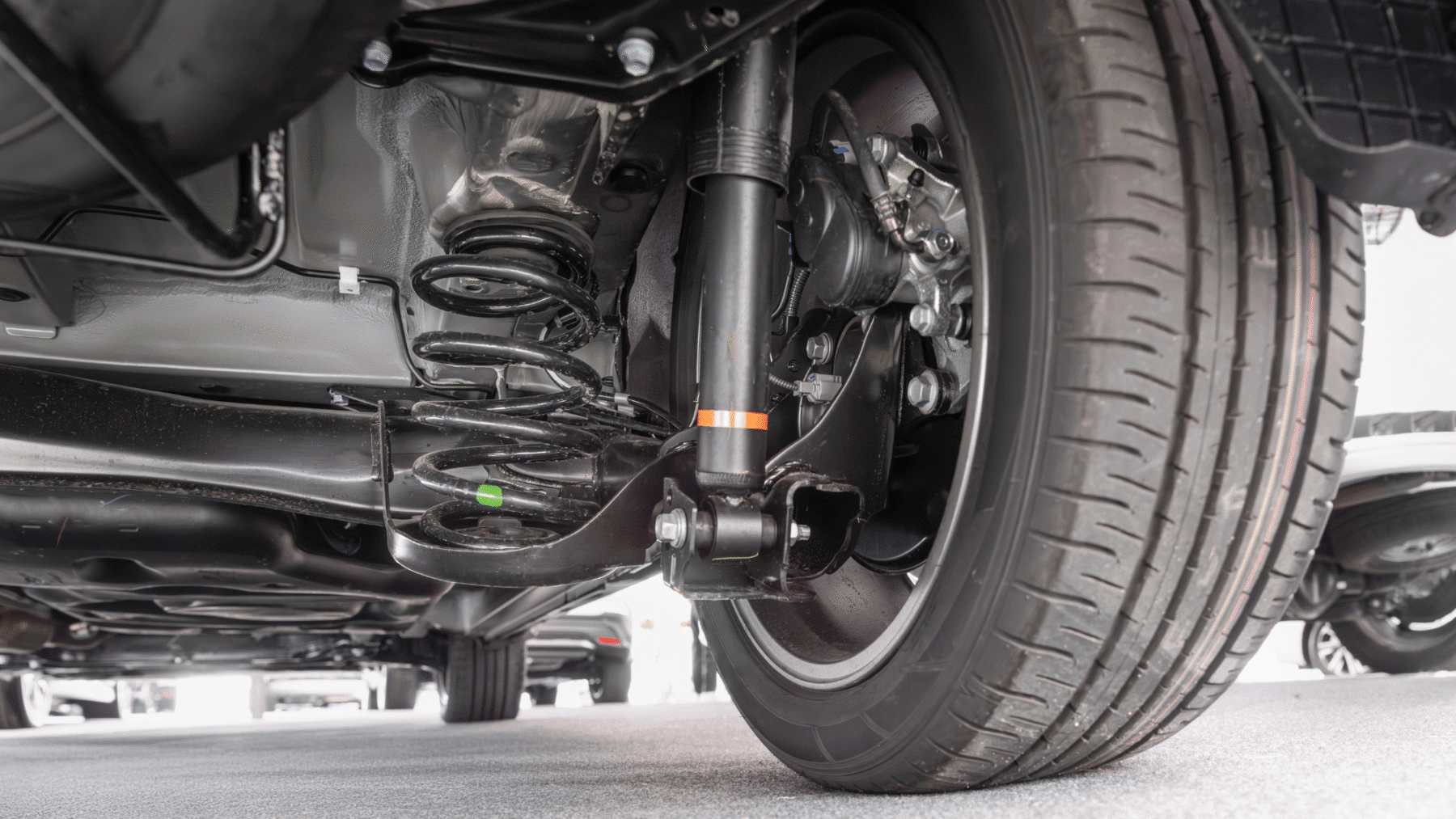
The failure rate is calculated based on “significant deficiencies” that require immediate repair before a vehicle can receive the inspection sticker. Common issues identified across the industry in older premium vehicles often involve oil leaks or wear in axle suspension components. However, the Audi A4/A5 platform has maintained a reputation for robustness, with many high-mileage examples passing their biennial checks with minimal intervention, provided the owner adheres to the manufacturer’s recommended service intervals.
Why Audi A4 and A5 Models Maintain Reliability
Engineering consistency plays a central role in these inspection outcomes. The platform shared by the A4 and A5 utilizes advanced multi-link suspension systems that, while complex, are designed for longevity under normal operating conditions. Official service data from Audi AG emphasizes that proactive maintenance—specifically the timely replacement of fluids and filters—is the most effective way to prevent the “significant deficiencies” that lead to an inspection rejection.
Engineers note that the integration of digital health monitoring in later models allows the vehicle’s onboard computer to track component degradation. When drivers address these warnings promptly, the probability of encountering a critical failure during a formal inspection decreases substantially. This feedback loop between the vehicle’s diagnostic software and the owner’s maintenance schedule is a primary driver of the high pass rates observed in recent TÜV statistics.
Comparison of Inspection Performance
When evaluating the Audi A4 and A5 against competitors in the mid-size premium segment, the data shows a competitive trend. While no vehicle is immune to the effects of age and mileage, the A4 and A5 consistently outperform the segment average for “major defects” in the 3-to-5-year age bracket. This data, published annually by Auto Bild in collaboration with TÜV, serves as a benchmark for the automotive industry regarding long-term reliability.
It is important to distinguish between “minor defects”—such as a burnt-out license plate bulb or a stone chip in the windshield—and “major defects” that lead to an inspection failure. The Audi models are frequently cited for having fewer major mechanical issues, though like many modern vehicles, they are occasionally flagged for minor lighting system irregularities, which are typically easy and inexpensive to rectify.
Practical Advice for Owners
To ensure a vehicle passes the inspection on the first attempt, experts recommend a “pre-check” performed by a qualified workshop. This involves checking the functionality of all exterior lights, the depth of the tire tread, and the condition of the brake discs and pads. Owners should also ensure that no warning lights, such as the check engine or ABS lights, are illuminated on the dashboard, as these are automatic grounds for rejection under current Federal Motor Transport Authority guidelines.
The next major update regarding vehicle reliability statistics is expected with the release of the 2025 TÜV Report, which will incorporate data from inspections conducted throughout the current calendar year. Owners looking for specific technical guidance or recall information should consult the official Audi portal or the KBA database to ensure their vehicle is up to date with all manufacturer safety campaigns. Readers are encouraged to share their own experiences with long-term vehicle maintenance and inspection processes in the comments section below.
Worth a look