
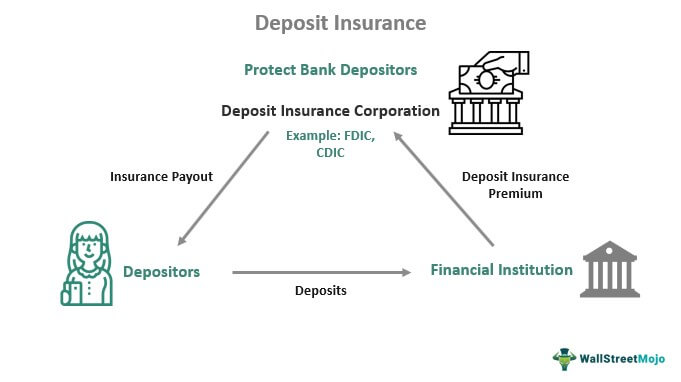
In the intricate machinery of the German financial sector, stability is not merely a goal—it is a mandate. At the heart of this stability lies the Prüfungsverband deutscher Banken e.V., an organization that serves as a cornerstone of the deposit protection system for private banks across Germany. To maintain this critical infrastructure, the organization is currently expanding its technical leadership, seeking a skilled IT Service Manager in Cologne to modernize and oversee its service frameworks.
The appointment of an IT Service Manager comes at a pivotal time for the financial industry, where the intersection of regulatory compliance and digital resilience has become the primary battleground for risk management. For an organization tasked with safeguarding the deposits of over 130 institutes, the efficiency of IT service delivery is not just about operational uptime; it is about ensuring the continuity of trust within the private banking ecosystem.
This role represents a strategic shift toward a more structured, professionalized IT Service Management (ITSM) approach. Rather than maintaining a legacy system, the incoming manager is tasked with auditing existing processes and building a scalable architecture that includes clearly defined Service Level Agreements (SLAs), role descriptions, and escalation paths.
The Critical Infrastructure of Deposit Protection
Founded in 1969, the Prüfungsverband deutscher Banken e.V. Operates as a specialized risk manager within the private banking sector. Its primary mission is to support the deposit protection system, ensuring that the private banking industry remains resilient against systemic shocks. By overseeing the risk profiles of more than 130 member institutes, the organization provides a layer of security that is essential for the confidence of depositors across the country.

In such a high-stakes environment, the “back office” technology cannot be an afterthought. The transition toward a hybrid work model in Cologne reflects a broader trend in the German financial sector to attract top-tier technical talent by blending the stability of traditional banking institutions with the flexibility of modern corporate culture.
Defining the IT Service Management Blueprint
The mandate for the new IT Service Manager is comprehensive, moving beyond simple troubleshooting to the actual architecture of service delivery. A primary objective is the creation and maintenance of a formal IT Service Catalog. This document serves as the “menu” of IT capabilities, explicitly defining which services the IT department provides, the conditions under which they are available, and the specific quality promises made to the internal stakeholders.
Beyond the catalog, the role focuses on the lifecycle of service requests. This involves the implementation of a rigorous ticket-management process characterized by:
- Prioritization and Routing: Ensuring that critical system failures are addressed before routine requests.
- Processing Time Optimization: Establishing benchmarks for how quickly a service request must be resolved to prevent operational bottlenecks.
- Escalation Logic: Creating a transparent chain of command so that complex issues reach the necessary decision-makers without delay.
By establishing these protocols, the organization aims to eliminate “lost” requests and ensure that every technical interaction is traceable, a requirement that often aligns with the strict auditing standards of the German financial regulatory landscape.
A Strategic Pivot Toward Cyber Resilience
While the IT Service Manager is not expected to be the primary cybersecurity expert, the role is central to the organization’s defense strategy. In the event of a cyber incident or a major IT emergency, the IT Service Manager acts as the primary coordinator. This distinction is vital: while security engineers focus on neutralizing a threat, the Service Manager ensures that the communication channels remain open and that the correct personnel are deployed at the correct time.
This coordination role is essential for maintaining operational continuity. By managing the “human” and “process” side of a crisis—such as managing the IT Service Desk and executing the escalation paths—the IT Service Manager allows the technical experts to focus entirely on remediation. This separation of duties is a recognized best practice in high-availability environments, reducing the chaos often associated with emergency response.
Professional Requirements and Technical Ecosystem
To succeed in this environment, the organization requires a blend of linguistic proficiency and technical familiarity. Because the Prüfungsverband operates within the German banking system, fluency in German is mandatory for navigating the regulatory and institutional nuances of the sector. Professional English is also required, reflecting the international nature of modern IT standards and software documentation.

From a technical standpoint, the organization looks for candidates experienced in industry-standard ITSM tools. While the specific toolset may evolve, familiarity with platforms such as ServiceNow, Jira Service Management, or Matrix42 is highly valued. These tools provide the data-driven insights necessary to measure SLA compliance and identify recurring points of failure within the IT infrastructure.
Key Role Summary
| Focus Area | Core Responsibility | Expected Outcome |
|---|---|---|
| ITSM Framework | Process definition and SLA creation | Structured, predictable IT operations |
| Service Catalog | Defining IT offerings and quality promises | Transparency for all internal users |
| Incident Management | Coordination of cyber-incidents and emergencies | Rapid, organized response to crises |
| Ticket Workflow | Prioritization and routing of requests | Full traceability of all IT requests |
As the financial sector continues to migrate toward more complex, cloud-integrated environments, the need for structured service management becomes paramount. For the Prüfungsverband deutscher Banken e.V., this hire is an investment in the reliability of the systems that protect millions of euros in private deposits.
Interested professionals can find further details regarding the application process and the organization’s mission on the official Prüfungsverband website.
The organization continues to accept applications for this permanent, hybrid position in Cologne. Further updates regarding their IT modernization strategy are expected as the new leadership is integrated into the IT Management division.
Do you have experience transitioning a financial institution to a structured ITSM model? Share your thoughts or questions in the comments below.