
Dakar’s public health infrastructure is currently undergoing a rigorous assessment of its sanitation and hygiene protocols, led by key officials from the Service d’Hygiène. Captain Idrissa Ndiaye, a prominent figure within the department, has been central to the ongoing oversight of urban sanitary conditions and the enforcement of public health standards across the Senegalese capital. This monitoring effort comes amid broader national discussions regarding fiscal transparency and the management of public resources in Senegal.
The Service d’Hygiène, a branch of the Ministry of Health and Social Action, remains the primary state institution responsible for maintaining sanitary environments in public spaces, markets, and residential zones. Captain Ndiaye’s operations involve regular inspections aimed at mitigating health risks related to improper waste disposal, stagnant water, and food safety violations. These efforts are critical to the city’s broader strategy to curb the spread of infectious diseases in high-density urban areas, according to official documentation from the Ministry of Health and Social Action.
The Operational Scope of Sanitary Oversight in Dakar
Sanitation monitoring in Dakar is not merely a logistical challenge but a matter of public policy enforcement. The Service d’Hygiène operates under specific legal mandates that authorize officers to conduct unannounced inspections of commercial establishments and public facilities. These mandates empower the department to issue warnings, impose fines, or order the closure of businesses that fail to adhere to national hygiene codes.
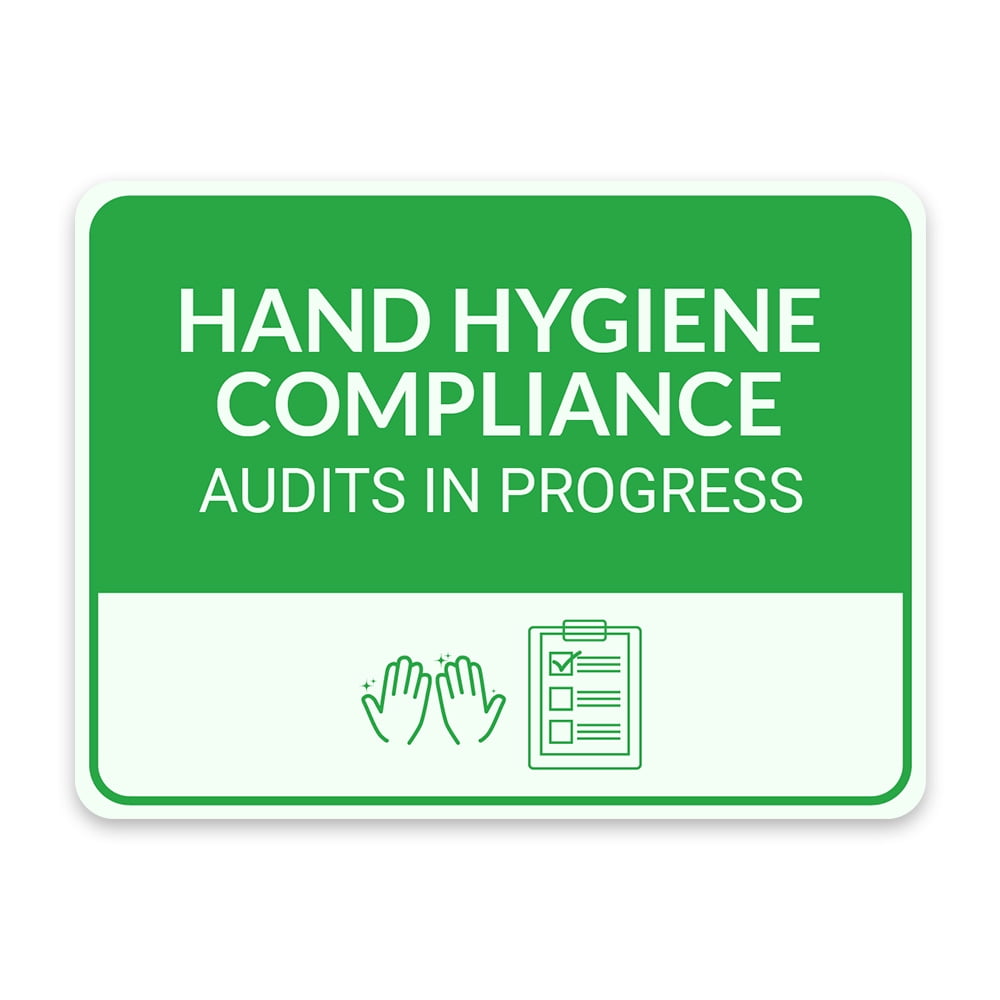
For Captain Idrissa Ndiaye and his teams, the focus often shifts toward the city’s major markets, such as Sandaga and Tilène, where the concentration of vendors and high foot traffic presents persistent challenges for waste management. Recent reports indicate that the department is prioritizing the sensitization of traders regarding the legal requirements for waste collection and the maintenance of clean stalls. These measures are designed to prevent the accumulation of refuse that often contributes to the proliferation of pests and waterborne illnesses during the rainy season.
Fiscal Transparency and Public Audit Demands
While the Service d’Hygiène focuses on ground-level sanitary compliance, the institution operates within a wider national context of economic scrutiny. Recent public discourse in Senegal has been dominated by concerns regarding the state of public finances, specifically the identification of “hidden debt.” This term, which gained traction following the transition of the new government, refers to discrepancies in public accounts that were allegedly not fully disclosed in previous budget reports.
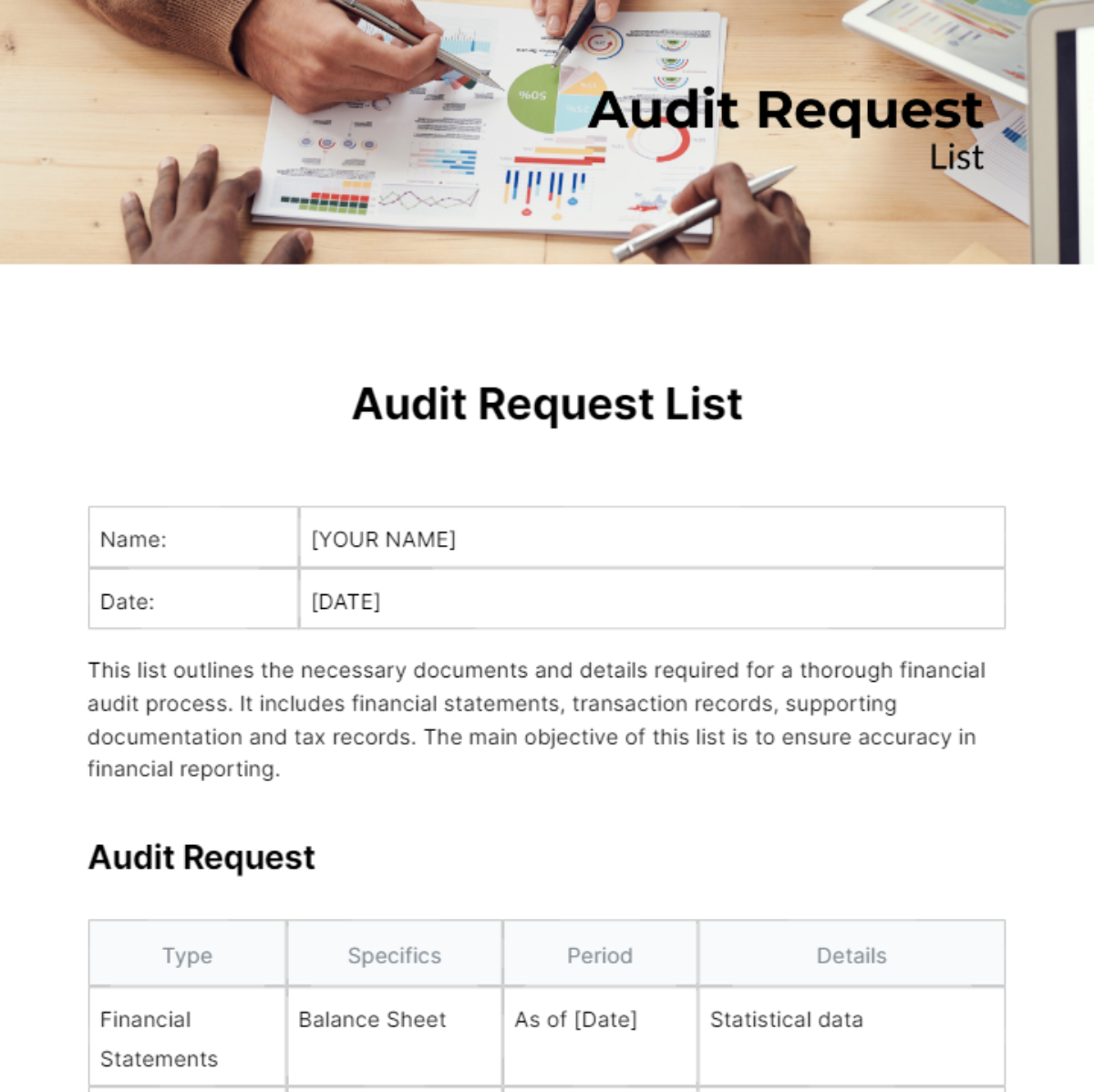
In response to these findings, the government has mandated comprehensive audits of various state departments and public spending projects, as reported by the Cour des Comptes (Court of Audit) of Senegal. These audits aim to ensure that resources allocated to essential services—including public health and sanitation departments—are managed with the transparency required by the country’s financial governance standards. The push for a clear accounting of state obligations is a central pillar of the current administration’s economic reform agenda.
Why Oversight Matters for Urban Development
The intersection of public health enforcement and fiscal accountability is essential for the sustainable development of Dakar. When sanitary services are adequately funded and properly audited, the city’s capacity to respond to health crises increases significantly. Conversely, any lack of transparency in how funds are directed toward infrastructure projects can lead to service gaps, leaving urban centers vulnerable to environmental and health hazards.
Stakeholders, including local community leaders and international development partners, are closely watching the progress of both the sanitary inspections and the financial audits. The ability of the state to demonstrate that it is both cleaning up the streets and cleaning up its balance sheets is seen as a key performance indicator for the current political leadership. As Captain Ndiaye continues his work on the front lines of public health, the broader administrative work of auditing state debts continues at the ministerial level, reflecting a dual approach to improving governance in Senegal.
Next Steps for Public Health and Financial Audits
The next major checkpoint for the financial sector involves the publication of the comprehensive audit report requested by the government, which is expected to shed further light on the extent of the nation’s debt obligations. Simultaneously, the Service d’Hygiène is scheduled to continue its seasonal sanitation campaigns, with updated reports on public health compliance expected to be presented to the Ministry of Health by the end of the current quarter.
Residents and business owners are encouraged to consult the official Secrétariat Général du Gouvernement portal for updates regarding new public health regulations and administrative notices. As these developments unfold, the transparency of both the health and finance sectors will remain a subject of active public interest.
What are your thoughts on the current efforts to modernize sanitation and financial oversight in Dakar? We invite our readers to share their perspectives in the comments section below and to follow our ongoing coverage of these developments.
Worth a look