
Pakistan Seeks to Finalize IMF Deal as Finance Minister Embarks on Crucial US Visit
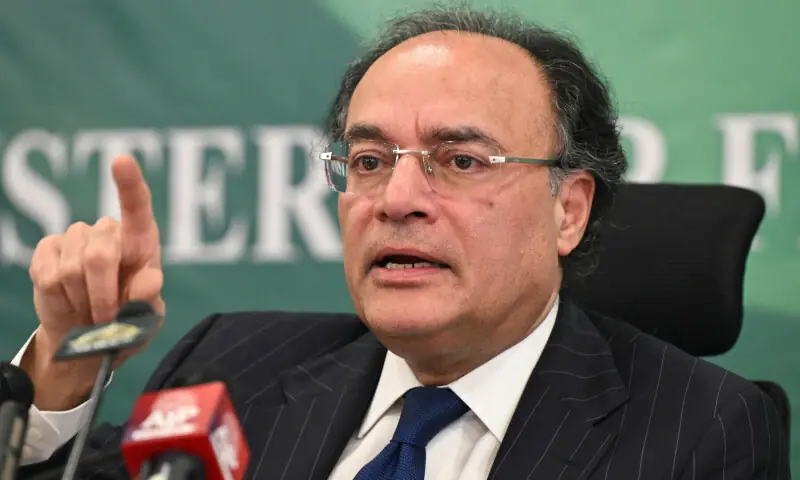
Pakistan is poised for critical discussions with the International Monetary Fund (IMF) and the World Bank (WB) as finance Minister muhammad Aurangzeb undertakes a six-day visit to the United States. The trip, commencing this week, centers around the annual meetings of these global financial institutions, held against the backdrop of ongoing negotiations for a new IMF loan agreement. This visit represents a pivotal moment for Pakistan’s economic stability and future growth trajectory.
Navigating the Current Economic Landscape
The urgency of securing a Staff-Level Agreement (SLA) with the IMF is paramount. Recent talks between an IMF mission and Pakistani authorities concluded without a finalized agreement,despite covering reviews of existing lending programs totaling $8.4 billion. Minister Aurangzeb has publicly expressed optimism that a deal can be reached during this US visit, signaling the government’s commitment to fulfilling the IMF’s conditions and unlocking further financial assistance.
Pakistan’s economic situation necessitates this continued engagement. The country faces significant challenges including persistent inflation, a balance of payments crisis, and dwindling foreign exchange reserves. A successful IMF agreement is widely seen as crucial for restoring investor confidence,stabilizing the economy,and implementing necessary structural reforms.
A Packed agenda: Beyond the IMF
Minister Aurangzeb’s schedule in the US is remarkably extensive, encompassing over 65 events, forums, meetings, and ceremonies. He will actively participate in the plenary meetings of both the IMF and the World Bank,representing Pakistan’s interests on the global stage.
The visit isn’t solely focused on the IMF. Aurangzeb is scheduled to meet with key leaders from a diverse range of international financial institutions, including:
* World Bank: A planned meeting with World bank President Ajay Banga and an invitation to a dinner with select finance ministers highlights the importance of this relationship.
* International Finance Corporation (IFC): Discussions with the IFC will likely focus on attracting private sector investment into pakistan.
* Multilateral Investment Guarantee Agency (MIGA): Exploring opportunities for risk mitigation and investment guarantees through MIGA.
Strategic Bilateral Engagements
Recognizing the importance of fostering strong relationships with key global players, Aurangzeb’s itinerary includes meetings with counterparts from:
* China: Strengthening economic ties with a major strategic partner.
* United Kingdom: Discussing potential investment and trade opportunities.
* Saudi Arabia: Seeking continued financial support and exploring investment prospects.
* Türkiye: Exploring avenues for economic cooperation.
* Azerbaijan: Building new partnerships and exploring investment opportunities.
Moreover, the Finance Minister is slated to engage with high-ranking officials from the US government, including representatives from the White House, the Departments of State and Treasury, and the International Advancement Finance Corporation (DFC). A meeting with the chairman of the financial Services Commitee of Congress is also planned, demonstrating a proactive approach to engaging with US policymakers.
Focus on Reforms and Investment
The visit extends beyond securing financial assistance. Aurangzeb will participate in a regional roundtable on the Federal Board of revenue’s (FBR) digital conversion,organized by the World Bank. This underscores Pakistan’s commitment to modernizing its tax system and improving revenue collection. He will also address the MENAP (Middle East, north Africa, and Pakistan) forum as a keynote speaker, sharing Pakistan’s economic vision and reform agenda.
Recognizing the importance of attracting investment, Aurangzeb will also meet with officials from global credit ratings agencies and commercial banks, notably investment banks from the Middle East. visits to leading US think tanks, including the Atlantic Council and the Peterson Institute of International Economics (PIIE), will provide opportunities for in-depth discussions on Pakistan’s economic challenges and potential solutions. He is also scheduled to attend events hosted by the World Economic Forum.
Evergreen Section: The Future of Pakistan’s Economic Policy
pakistan’s ongoing engagement with the IMF and the World Bank is not merely about securing short-term financial relief. It represents a broader shift towards lasting economic policies, fiscal discipline, and structural reforms. Key areas of focus for the future include:
* Revenue Mobilization: Strengthening the tax base and improving tax collection efficiency are crucial for reducing Pakistan’s reliance on external debt.
* Privatization: Privatizing state-owned enterprises (SOEs) can unlock capital, improve efficiency, and reduce the burden on the national exchequer.
* Energy Sector Reforms: Addressing inefficiencies and promoting renewable energy sources are essential for ensuring energy security and reducing costs.
* **Export





![Facial Recognition UK: Police Fight to Keep Flawed Tech | [Year] Update](https://i0.wp.com/www.techdirt.com/wp-content/themes/techdirt/assets/images/td-rect-logo-white.png?resize=150%2C100&ssl=1 "Facial Recognition UK: Police Fight to Keep Flawed Tech | [Year] Update")


