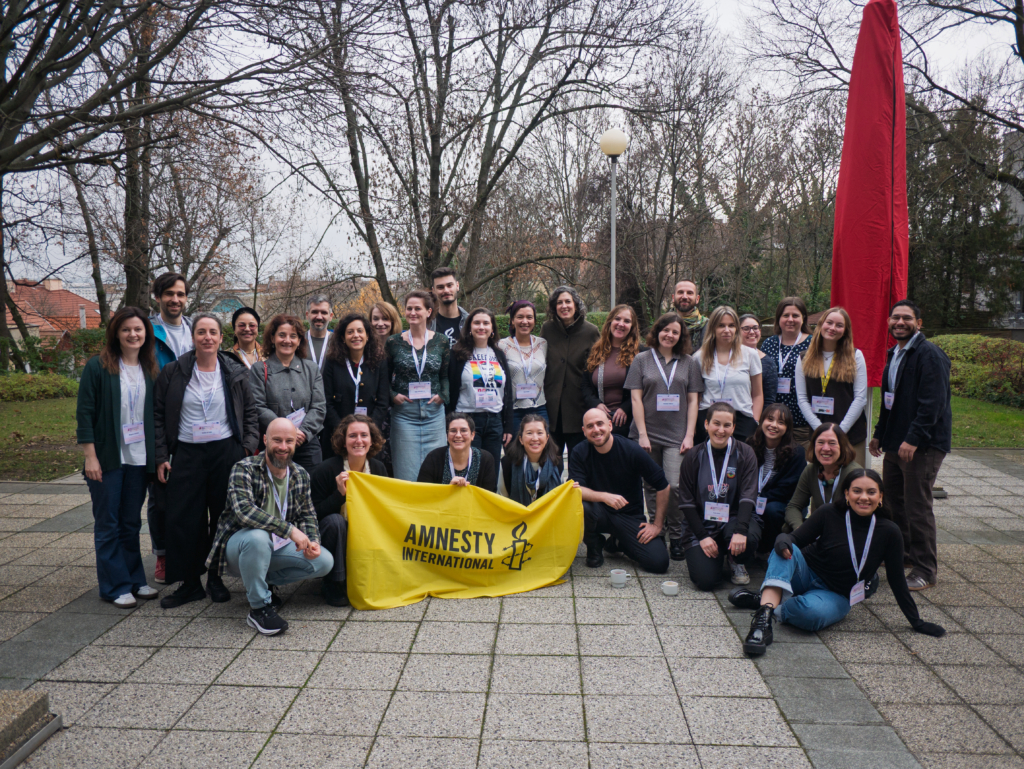
Defending human Rights in a Time of Regression: Education, Action, and teh Power of Solidarity
The current global landscape presents a stark challenge to the foundational principles of human rights. Across Europe, we are witnessing a worrying trend of governments proposing policies that erode established protections, particularly for vulnerable populations like migrants, refugees, and LGBTI individuals. This rollback demands a robust and multifaceted response, centered on proactive human rights education, unwavering advocacy, and a renewed commitment to solidarity.
The Rising Tide of Anti-Rights Rhetoric & Why Education is Key
The erosion of human rights isn’t happening in a vacuum. It’s fueled by divisive rhetoric that scapegoats marginalized communities and undermines the very framework designed to protect all individuals. Combating this requires a strategic approach, beginning with a powerful counter-narrative: celebrating and amplifying the success stories of human rights in action. This isn’t just about abstract principles; it’s about demonstrating the tangible, life-changing impact of upholding essential freedoms.
We must prioritize human rights education at all levels – from schools and youth programs to public awareness campaigns leveraging both conventional and social media. This education must be dynamic and relevant, addressing contemporary challenges like digitalization and environmental injustice, while concurrently centering the experiences of those most frequently enough left behind.
Recent global consultations with educators, activists, and governmental representatives have highlighted a crucial need to decolonize human rights education, ensuring it’s accessible and inclusive for everyone. This means acknowledging the past context of human rights frameworks and actively working to dismantle systemic biases that perpetuate inequality.
Protecting the European Convention on Human Rights (ECHR) & Resisting Divisive Policies
The urgency of this work is underscored by recent developments within the Council of Europe. Proposals to weaken the protections afforded by the ECHR, specifically in the context of migration, represent a dangerous step backward.These proposals risk legitimizing discrimination and fueling xenophobia. Any attempt to diminish the ECHR must be met with firm resistance.
Organizations like Amnesty International are actively working to demonstrate the ECHR’s vital importance, particularly to younger generations. We are translating complex legal jurisprudence into accessible,20-minute learning modules (available here: https://eduworkout.org/en), showcasing real-life cases where upholding these rights has dramatically improved individuals’ lives.
Moreover, the recent EU proposals for unprecedented rules on detention, deportation, and the stripping of rights based on migration status (detailed here: https://www.amnesty.org/en/latest/news/2025/12/unprecedented-detention-and-deportation/) are deeply concerning.These policies threaten to tear families apart and create a climate of fear and discriminatory surveillance. They are precisely the kind of actions that compel us to act.
From Witnessing Injustice to Empowering Action: A Personal Outlook
My own journey into human rights work began with witnessing firsthand the injustice inflicted upon people seeking asylum at the Lithuania-Belarus border in 2021. The forced removals and arbitrary detentions enacted by my government were deeply troubling. Volunteering with affected communities became a powerful way to stand in solidarity and say, “Not in my name.”
This experience ignited a passion for understanding the systemic issues at play, leading me to pursue formal study in human rights, conduct research on violations, and collaborate with impacted communities. I discovered the transformative power of applying human rights theory to real-world situations.
What I witnessed was remarkable: providing facts about their rights empowered individuals to reclaim agency during incredibly arduous times.Recognizing shared struggles fostered solidarity and a sense of collective strength.
Hope as a Courageous Choice & Taking the First Step
Choosing to dedicate my career to human rights has been profoundly rewarding. I encourage anyone feeling isolated, frustrated, or disillusioned to embrace compassion and justice over aggression and destruction. Hope isn’t naive; it’s a courageous choice.
Human rights were conceived for precisely these moments of uncertainty. Defending and building upon our achievements is a shared responsibility. Human rights education is a powerful tool for shaping a more just future.
Here’s how you can get involved:
* Learn about your rights: Explore the comprehensive resources available at Amnesty’s Human Rights Academy in over 20 languages: https://academy.amnesty.org/learn
* Connect with local organizations: Find a human rights group in your community and offer your support