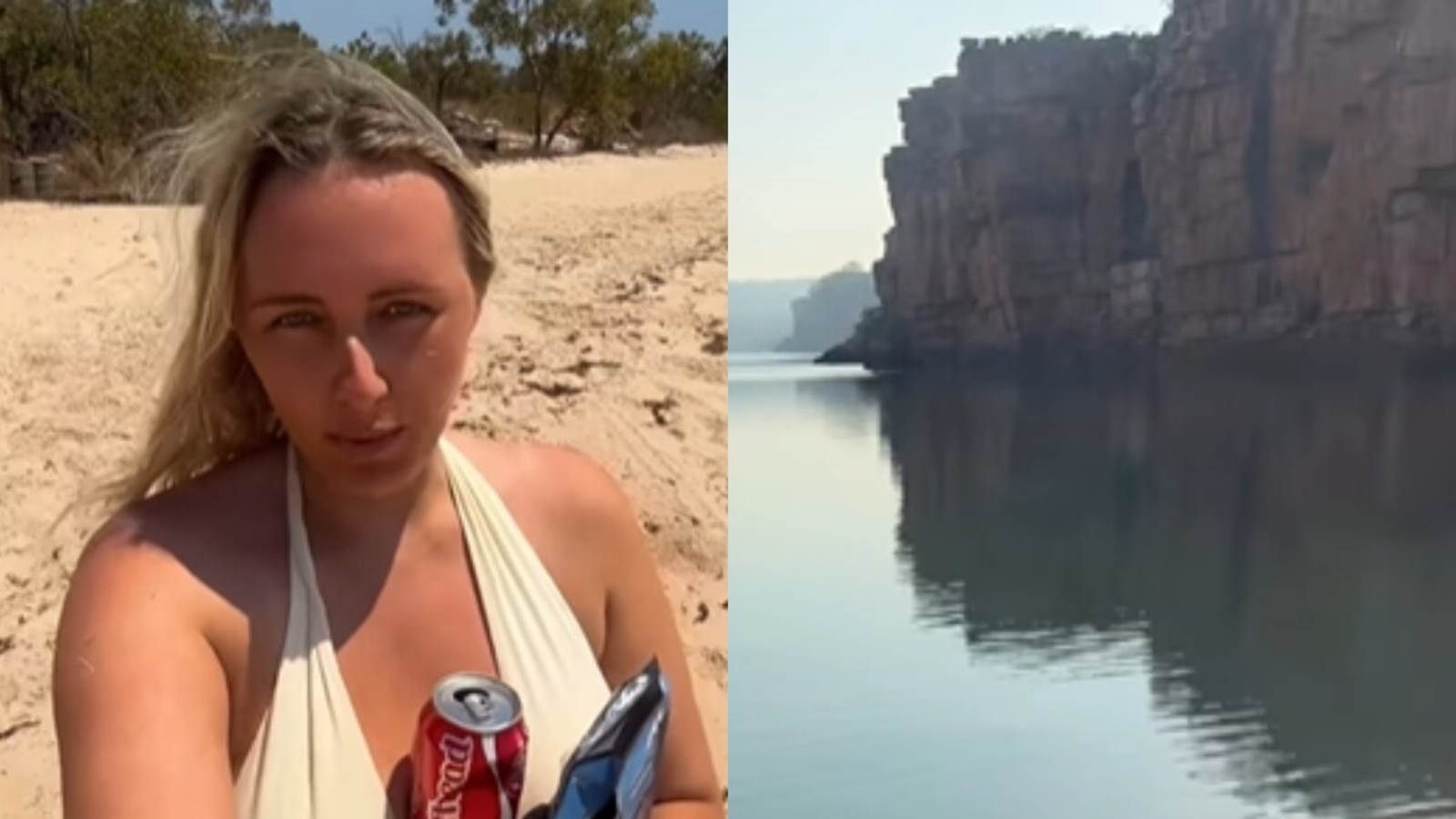
Viral Video of Woman Defecating in Lake Sparks Outrage, Later Revealed as Australian Outback Incident
A widely circulated video alleging a foreign tourist engaged in a shocking act of public indecency in Udaipur, india, recently ignited a firestorm of online anger. However,the narrative quickly shifted as the woman featured in the clip came forward to clarify the situation – the incident didn’t happen in India at all. Let’s break down what happened, the misinformation that spread, adn the resulting online reaction.
the Initial Viral Claim & Social Media Backlash
Initially shared on Instagram by the handle Swadesi, the short video depicted a woman seemingly defecating into a lake from a boat. A crocodile was visibly swimming nearby, adding to the unsettling scene.
The accompanying caption, “Can she be deported!?” and a text overlay claiming an “American tourist” was responsible, fueled immediate outrage. You can understand why many users reacted with disbelief and anger, assuming the incident occurred in the stunning city of Udaipur.
Here’s a quick recap of the initial claims:
* Location: Allegedly Udaipur, India.
* Perpetrator: Claimed to be an American tourist.
* Action: Public defecation into a lake with a crocodile present.
As the video rapidly gained traction, social media platforms were flooded with condemnatory comments. Many users expressed concerns about disrespect for local customs and potential environmental contamination.
The Truth Emerges: Australian Influencer Sets the Record Straight
Amidst the growing backlash, Australian influencer Ellie-Jean Coffey stepped forward to address the misinformation. Reposting the video on her official Instagram account, she clarified that she is Australian, and the footage was captured in the Australian Outback.
Coffey explained the video was not filmed in Udaipur,as falsely claimed. Her post included a text overlay stating, “Croc almost got me,” offering a glimpse into the adventurous – and potentially precarious – circumstances of the filming.
This clarification dramatically altered the context of the video,but not before meaningful damage to perceptions had been done.
Online Reactions: From Outrage to Disappointment
Despite Coffey’s description, the incident continued to generate considerable discussion online. While some users expressed relief at learning the incident didn’t occur in india, many remained critical of the act itself.
Here’s a sampling of the online sentiment:
* Disgust & Concern: Comments like “Civic sense died here” and “This is water pollution” reflected strong disapproval of the act.
* Frustration with Misinformation: Users expressed disappointment over the initial misrepresentation, noting the different reactions a similar incident involving an Indian national might have received.
* Humor & Caution: Some users injected humor, commenting “OMG, don’t fall in,” while acknowledging the potential danger.
Why This Matters: The Spread of Misinformation & Responsible Online Sharing
This incident serves as a potent reminder of the speed and ease with which misinformation can spread online. You need to be critical of the content you consume and share, especially when it involves sensitive topics or potentially damaging accusations.
Here are some key takeaways:
* Verify Information: Before sharing a video or article, take the time to verify its accuracy through reputable sources.
* Consider the Source: Evaluate the credibility of the original poster and the platform where you encountered the content.
* Be Mindful of Impact: Think about the potential consequences of sharing unverified information, especially regarding accusations or cultural sensitivities.
Ultimately, the case of the “Udaipur lake” video highlights the importance of responsible online behavior and the need for critical thinking in the digital age. It’s a lesson in how quickly narratives can be constructed - and deconstructed – in the age of social media.
Worth a look