
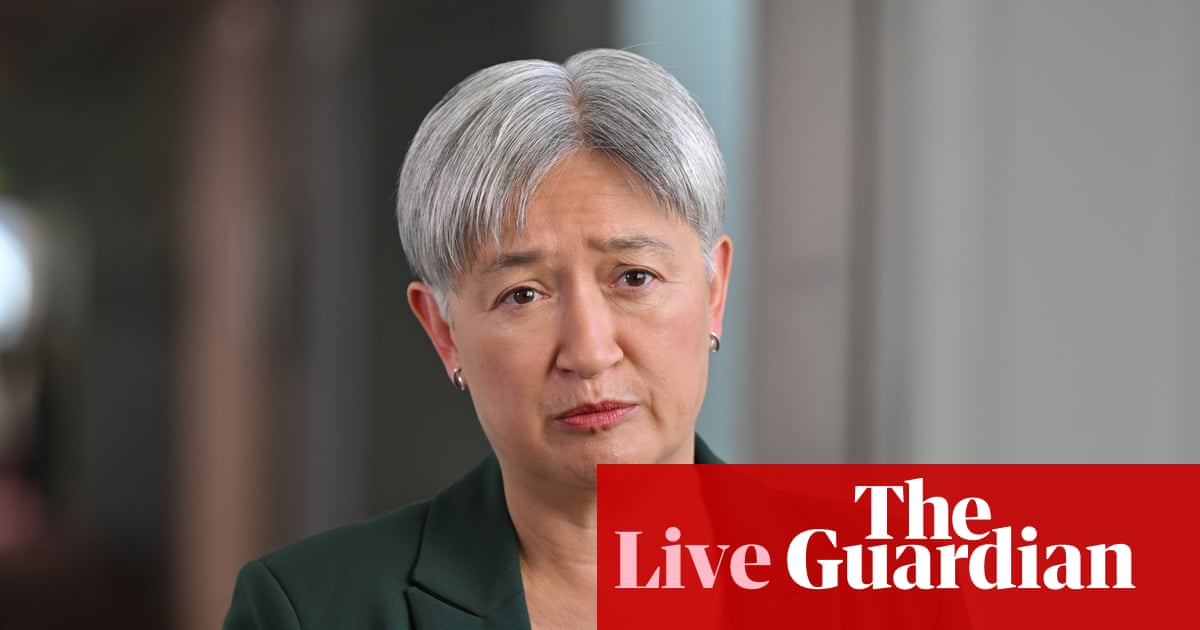
The Australian government is bracing for a prolonged economic and social aftermath following the failure of peace talks between the United States and Iran. Foreign Minister Penny Wong described the collapse of these negotiations as disappointing, signaling a period of heightened instability that is already impacting global supply chains and domestic stability.
As the Albanese government warns of a “long tail” from the conflict in the Middle East, Treasurer Jim Chalmers has cautioned that the geopolitical tension is fueling more polarising politics within Australia. The intersection of international conflict and domestic economic pressure is forcing the federal government to consider new relief measures for households struggling with the resulting cost-of-living spikes.
The economic ripple effects are most visible in the energy sector. Prime Minister Anthony Albanese has previously underscored that the conflict in the Middle East will continue to affect supply chains, regardless of specific developments in the Strait of Hormuz. To mitigate these risks, the government has moved to secure fuel supplies through unconventional channels to protect regional Australia from acute shortages.
Fuel Security and the “Long Tail” of Conflict
The Australian government’s strategy to counter the volatility caused by the Iran-US tensions centers on diversifying energy imports. Prime Minister Anthony Albanese recently announced a major fuel deal involving the federal government, Ampol, and Viva Energy. This agreement, brokered through Export Finance Australia, allows these suppliers to import fuel from countries they do not typically source from, providing a critical buffer against Middle Eastern instability via 7NEWS.
Speaking at the Lytton Ampol refinery in Brisbane, the Prime Minister emphasized that this is “not business as usual,” as the government now possesses the ability to direct where this additional supply goes, specifically targeting regional areas under pressure. The urgency of these measures is underscored by the Prime Minister’s travel to Singapore to pursue further fuel supply agreements.
The “long tail” mentioned by the government refers to the persistent inflationary pressures and supply chain disruptions that remain long after the initial peak of a geopolitical crisis. For Australian households, this manifests as volatile petrol prices and increased costs for imported goods, prompting the government to evaluate new forms of financial relief to offset these external shocks.
Domestic Fallout: Political Polarization and Legal Tensions
The failure of international diplomacy is not only impacting the economy but is similarly exacerbating social divisions within Australia. Treasurer Jim Chalmers’ warning regarding “more polarising politics” coincides with a rise in domestic tensions surrounding the conflict in the Middle East. This friction has recently manifested in legal battles over freedom of speech and the definition of hate speech.
In Queensland, this polarization has led to the state becoming the first in Australia to explicitly ban the slogan “from the river to the sea,” as well as the phrase “globalise the intifada.” These laws, passed by the right-wing Liberal National Party (LNP) government, have already resulted in arrests. One individual, Liam Parry, was arrested after addressing a rally at “Speakers Corner” outside the state parliament house and faces court on April 8 on charges that could carry up to two years’ imprisonment via World Socialist Web Site.
Critics argue that such legislation, combined with federal “hate speech” and “hate group” laws introduced by the Labor government, is designed to suppress opposition to the ongoing genocide in Palestine. The alignment between the LNP and the state Labor Party opposition in backing this legislation suggests a bipartisan move toward restricting specific political expressions during a time of global instability.
Local Impacts and Regional Developments
Although the federal government manages international crises, regional Queensland continues to navigate internal disputes and tragedies. In Brisbane, the community is mourning the loss of a seven-year-old girl who drowned at a popular swimming spot on the Brisbane River in the south-west of the city.

Simultaneously, a political standoff has emerged regarding the 2032 Brisbane Games. The Queensland infrastructure and planning minister, Jarrod Bleijie, has asserted that Olympic rowing must take place in Rockhampton on the Fitzroy River, stating, “If they don’t want it in Rocky – it ain’t happening.” However, Prime Minister Anthony Albanese has pushed back against this, stating that the Fitzroy River—which is a known habitat for saltwater crocodiles—is not a “sensible” option for the event via The Guardian.
Key Takeaways on Australia’s Current Crisis Management
- Diplomatic Failure: The collapse of US-Iran peace talks has left Australia facing a “long tail” of economic instability.
- Energy Strategy: The government is utilizing Export Finance Australia to broker fuel deals with Ampol and Viva Energy to diversify import sources.
- Social Tension: Increased political polarization has led to the first legislative bans on specific anti-genocide slogans in Queensland.
- Economic Relief: New household relief measures are being considered to combat the cost-of-living increases driven by Middle Eastern conflict.
The Australian government remains focused on securing energy independence and managing domestic social cohesion as the fallout from the failed US-Iran talks continues to evolve. The next critical checkpoint for the administration will be the ongoing negotiations in Singapore and the implementation of household relief packages to mitigate the “long tail” of the war.
We invite our readers to share their perspectives on how these global tensions are affecting their local communities in the comments below.