Australia Considers Recognizing Palestinian Statehood Amidst Gaza Crisis
Australia is actively weighing the possibility of formally recognizing a Palestinian state, a move that signals a potential shift in its foreign policy approach to the ongoing conflict in the Middle East. This consideration comes as the federal cabinet prepares to discuss the matter, with a decision possibly forthcoming.
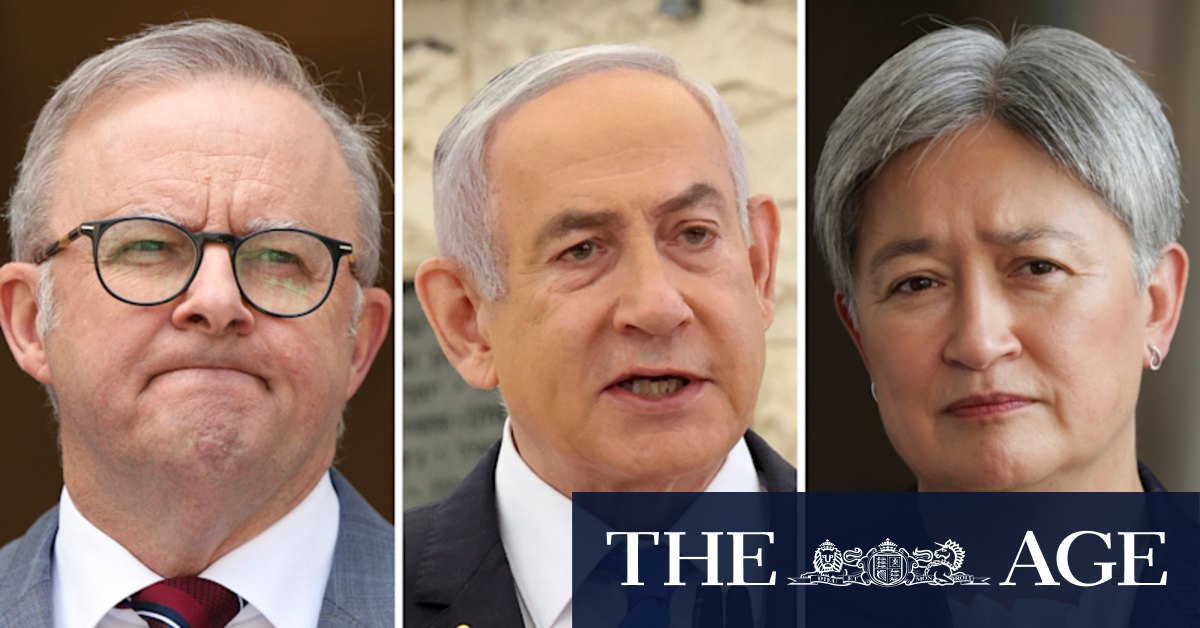
The government, led by Prime Minister Anthony Albanese adn Foreign Minister Penny Wong, is evaluating this step as a means to address the dire humanitarian situation in Gaza and to encourage a pathway towards lasting peace. It’s a complex decision with significant diplomatic implications, and one that aligns Australia with similar considerations being undertaken by key allies.
International Momentum & Conditions for Recognition
Several of australia’s close partners, including the United Kingdom, Canada, and France, are accelerating their own efforts to recognize Palestinian statehood by September. These nations view the move as a diplomatic lever to de-escalate the crisis and incentivize constructive negotiations.
Though,both the UK and Canada have stipulated conditions for recognition. While the specifics of any Australian conditions remain under discussion, the government has consistently emphasized two key prerequisites:
Hamas, designated as a terrorist organization in Australia, should not be involved in any future Palestinian government.
Israel’s security concerns must be fully addressed and guaranteed.
A Re-evaluation of Conventional Approaches
Traditionally, the recognition of a palestinian state has been viewed as a culminating step in a comprehensive peace process. This meant waiting until a stable, legitimate governing authority was established in both Gaza and the West Bank.However, last year, Foreign Minister Wong signaled a potential departure from this long-held position. She articulated the government’s openness to earlier recognition as a proactive measure to stimulate a peace process. This approach aims to incentivize responsible Palestinian leadership and encourage Israel to prioritize peace negotiations.
Divergent Perspectives & ongoing Challenges
this potential shift hasn’t been without its critics. Opposition voices and figures like former Israeli Prime Minister Ehud Olmert have argued against using recognition as a tool to influence Israel’s behavior.
Currently, Hamas maintains control over Gaza, and there is limited progress towards a viable two-state solution within the current Israeli government. These realities present significant challenges to any recognition effort.
What This Means for You
You might be wondering what this means for the broader geopolitical landscape. Recognizing Palestinian statehood is a powerful symbolic act. It could:
Increase international pressure on all parties to engage in meaningful negotiations.
Provide a framework for future diplomatic efforts.
* Offer a glimmer of hope for a long-term resolution to the conflict.
Ultimately, the decision facing the Australian government is a delicate balancing act. It requires careful consideration of the complex political realities on the ground, the interests of its allies, and its own commitment to a just and lasting peace in the Middle East.The coming days will be crucial as Australia determines its next steps in this evolving situation.