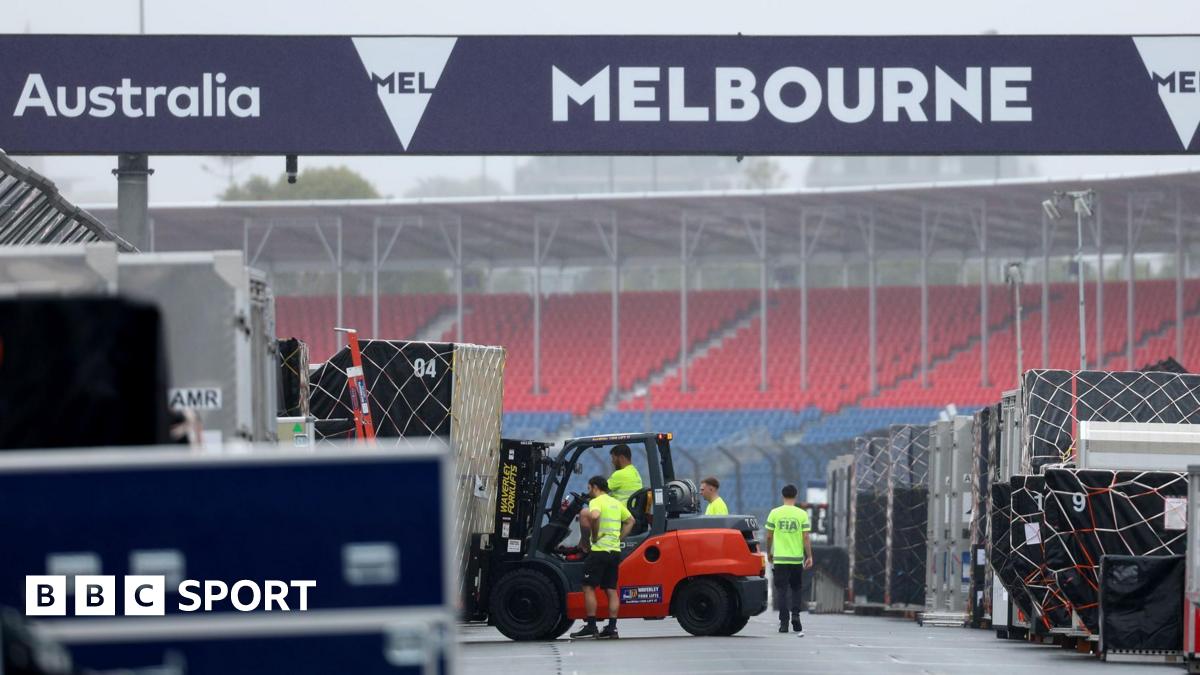
Melbourne, Australia – Despite escalating tensions in the Middle East and significant disruption to global air travel, organizers are expressing confidence that the 2026 Formula 1 Australian Grand Prix will proceed as scheduled. The season-opening race, set to take place from March 6th to 8th at Albert Park, faces logistical challenges as teams and personnel navigate altered flight paths, but officials insist fans will not notice any impact. The situation arises following recent military actions involving the United States, Israel, and Iran, which have led to airspace closures and widespread travel chaos.
The assurance comes as approximately 1,000 staff members associated with Formula 1 teams and the sport’s governing body, the FIA, have been forced to revise their travel arrangements. Around 500 of these individuals are reportedly being flown from Europe on chartered planes to circumvent disrupted commercial routes, according to reports from SPORTbible and Speedcafe. The disruption stems from retaliatory strikes launched by Iran following a joint military operation by the US and Israel on Saturday, February 28th, which resulted in the death of Ayatollah Ali Khamenei, Iran’s Supreme Leader. Iran responded with missile and drone attacks targeting locations in the UAE, Israel, Bahrain, Kuwait, Qatar, and even a UK military base in Cyprus.
Logistical Hurdles Overcome, Race Remains on Track
Australian Grand Prix CEO Travis Auld addressed concerns on Monday, stating that “everyone will be here ready for the race.” Auld acknowledged the “reshuffling of some travel plans” but emphasized Formula 1’s established logistical capabilities in managing global personnel movements. This sentiment was echoed by Formula 1 itself, which released a statement confirming it was “closely monitoring” the situation, particularly concerning the upcoming races in Bahrain and Saudi Arabia, scheduled for April. The ability to swiftly adapt travel arrangements appears to be the key factor in mitigating potential disruptions to the Melbourne event.
The impact on travel extends beyond team personnel, affecting drivers as well. Key air routes through the Middle East, particularly those utilizing Qatar and the United Arab Emirates, have been significantly impacted, forcing drivers and other key personnel based in Europe to find alternative routes. The scale of the logistical undertaking is substantial, with Auld estimating that nearly 1,000 individuals had already needed to alter their flights as of Monday. The Formula 1 organization is taking the lead in coordinating these changes, ensuring that all necessary personnel arrive in Melbourne in time for the race weekend.
Middle East Conflict and Broader Sporting Implications
The conflict’s repercussions are not limited to Formula 1. Other sporting events are also facing potential disruption. Qatar has already halted all sporting activity until further notice, casting doubt on the Finalissima match between Spain and Argentina, originally scheduled to take place in Doha on March 27th. The broader impact on international travel is significant, with numerous flights to and from the region cancelled, creating widespread chaos for passengers. The disruption highlights the vulnerability of global events to geopolitical instability and the importance of robust contingency planning.
The current situation underscores the complexities of staging international sporting events in a world increasingly marked by geopolitical tensions. While the Australian Grand Prix appears to be navigating the immediate challenges, the ongoing conflict raises questions about the potential for future disruptions to the Formula 1 calendar, particularly the races scheduled in Bahrain and Saudi Arabia. The FIA and Formula 1 management will undoubtedly continue to monitor the situation closely, adapting their plans as necessary to ensure the safety and smooth operation of the championship.
Focus Shifts to On-Track Action at Albert Park
With the logistical hurdles seemingly addressed, attention now turns to the on-track action at Albert Park. The 2026 Australian Grand Prix marks the beginning of a modern season for Formula 1, with teams unveiling their latest cars and drivers eager to compete for the championship title. The Albert Park circuit, a 5.303 km (3.295 mi) street circuit, is known for its challenging layout and swift-paced racing, promising an exciting spectacle for fans. The track features a mix of high-speed straights, tight corners, and challenging braking zones, demanding precision and skill from the drivers.
The 2026 season is anticipated to be highly competitive, with several teams expected to challenge for the championship. Red Bull Racing, led by reigning world champion Max Verstappen, will be looking to continue their dominance, but faces stiff competition from Ferrari, Mercedes, and McLaren. The new technical regulations introduced for the 2026 season are expected to shake up the pecking order, potentially creating opportunities for other teams to close the gap. The Australian Grand Prix will provide the first glimpse of how these regulations will play out in practice.
Looking Ahead: Bahrain and Saudi Arabia Races Under Scrutiny
While the Australian Grand Prix appears secure, the upcoming races in Bahrain and Saudi Arabia remain under closer scrutiny. Both countries are located in close proximity to the conflict zone, raising concerns about potential safety risks. Formula 1 has stated it is “closely monitoring” the situation, but no decisions have been made regarding the races. The safety of the drivers, teams, and fans is paramount, and any decision will be made in consultation with local authorities and security experts. The Bahrain Grand Prix is scheduled for April 18th-20th, while the Saudi Arabian Grand Prix is set to take place on April 24th-26th.
The situation in the Middle East is fluid and unpredictable, and the potential for further escalation remains. Formula 1 will require to remain vigilant and adaptable, prepared to make difficult decisions if necessary. The Australian Grand Prix serves as a testament to the sport’s ability to overcome logistical challenges, but the broader geopolitical context continues to cast a shadow over the championship. The next key development will be the assessment of the situation in Bahrain and Saudi Arabia in the coming weeks, with a decision expected closer to the race dates.
Fans eager to stay updated on the situation can find the latest information on the official Formula 1 website: https://www.formula1.com/. Further updates will also be provided by the Australian Grand Prix Corporation and major sports news outlets.
The Australian Grand Prix is set to proceed, offering a thrilling start to the 2026 Formula 1 season. However, the ongoing conflict in the Middle East serves as a stark reminder of the challenges facing international sporting events in an increasingly volatile world. We encourage readers to share their thoughts and perspectives on this developing situation in the comments below.
Worth a look