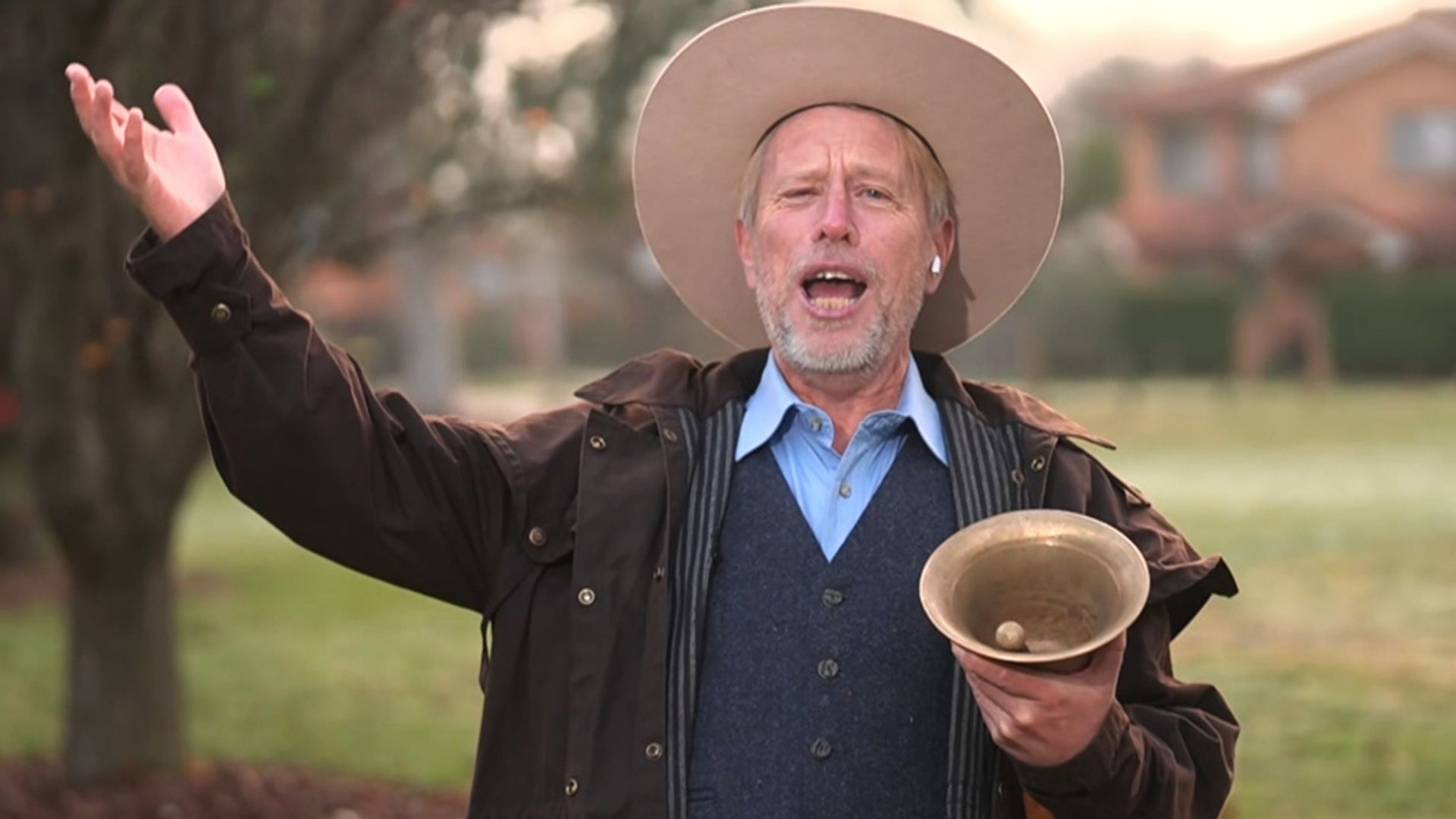
An Australian man has officially secured the world record for the loudest shout by an individual, reaching a peak volume of 121.7 decibels. James Newlands achieved this feat in Adelaide, South Australia, surpassing the previous benchmark set by a wide margin. The record, verified by Guinness World Records, highlights the extreme physical capacity of the human vocal apparatus when pushed to its absolute limit.
The measurement of 121.7 decibels is comparable to the sound intensity of a chainsaw or a loud rock concert, placing the shout well into the range where prolonged exposure would be considered hazardous to human hearing. According to Guinness World Records, the attempt required strict adherence to standardized acoustic testing protocols to ensure the decibel level was captured accurately without environmental interference.
The Physics of a Record-Breaking Shout
Achieving such a high volume requires more than just lung capacity; it involves precise coordination between the diaphragm, the vocal cords, and the resonance chambers of the throat and mouth. In the context of competitive shouting, participants often utilize techniques similar to those used by opera singers to project sound, though at a significantly higher force. The National Institute on Deafness and Other Communication Disorders notes that the human voice typically operates at 60 decibels during normal conversation, making Newlands’ 121.7-decibel output a significant outlier in human performance.
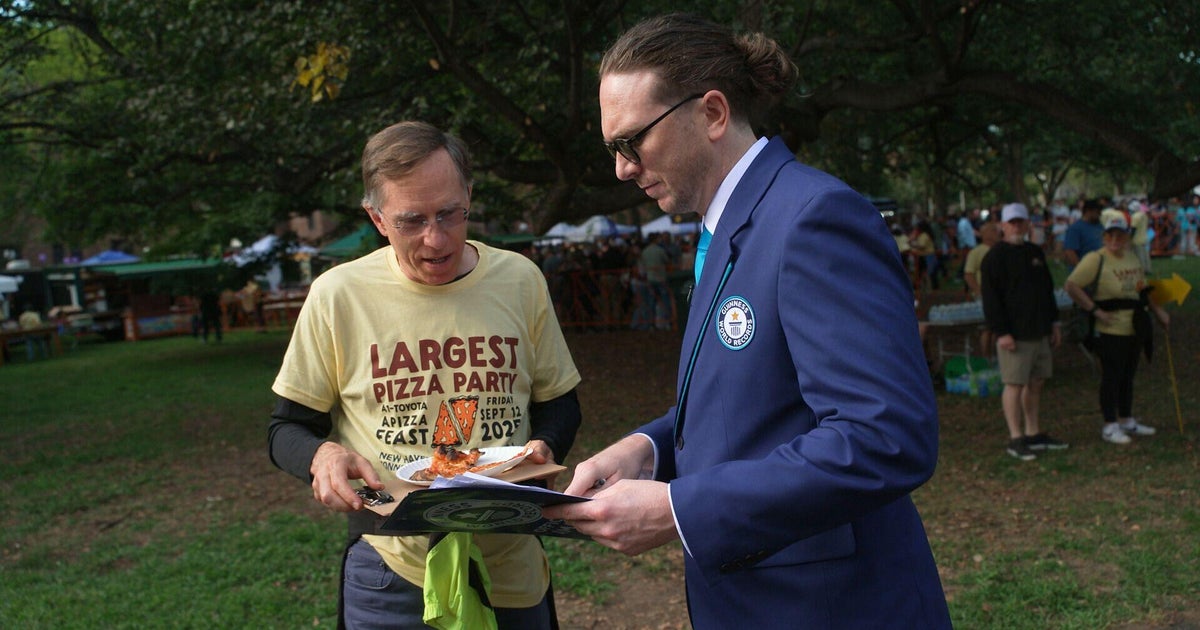
The verification process for such a record is rigorous. Officials use calibrated sound level meters placed at a specific, standardized distance from the contestant to prevent bias. Because sound intensity follows the inverse-square law—meaning sound levels drop significantly as distance from the source increases—any deviation in the microphone’s placement would invalidate the attempt. Guinness World Records maintains these strict guidelines to ensure that records remain comparable across decades and different global locations.
Historical Context of Vocal Records
Before this achievement, the record for the loudest shout had been held by various individuals over the years, with the title frequently changing hands as new challengers entered the arena. The pursuit of such records serves as a unique intersection between human physiology and the science of acoustics. While many might view shouting as a simple act, the effort to reach record-breaking levels is often treated as a sport, requiring training and physical conditioning to avoid vocal cord damage.
The history of sound-related records is documented extensively by official record-keeping bodies. Previous attempts have often faced scrutiny regarding the equipment used and the environment in which the sound was produced. By using professional-grade, calibrated audio equipment, Newlands ensured that his result met the International Organization for Standardization (ISO) criteria often cited by record adjudicators for sound measurement accuracy.
What Happens Next for Record Holders
For individuals who break world records, the process does not end with the shout itself. Once a record is verified, the holder is formally inducted into the archives of record-keeping organizations. These organizations often require periodic re-verification if a record is challenged or if new, more precise measurement technologies are adopted. For James Newlands, the achievement represents the culmination of a deliberate effort to reach the pinnacle of vocal projection.
Readers interested in the technicalities of acoustic records or who wish to track future attempts can monitor official updates through the Guinness World Records portal. As of now, there are no further scheduled public events for this specific category, though the record remains open for future challengers to attempt to surpass the 121.7-decibel mark. We invite our readers to share their thoughts on this feat in the comments section below.
Keep reading