The world of professional tennis is constantly evolving, and the Australian Open is leading the charge with innovative formats designed to captivate a broader audience. One such innovation is the One Point slam, a high-stakes competition where amateurs get the chance to challenge the pros. This unique event, first introduced in 2025, is rapidly gaining traction as a thrilling spectacle and a clever strategy to boost engagement with the sport.
The Rise of the One Point Slam: A New Era for Tennis
Initially, the inaugural One Point Slam in 2025 offered a prize pool of A$60,000 (approximately £29,400 as of January 13, 2026), but its impact extended far beyond the monetary value.While the initial event didn’t garner massive publicity, it laid the groundwork for what promises to be a staple of the Australian Open experience. I’ve found that these types of events are crucial for attracting a new generation of fans who crave dynamic and unpredictable content.
the 2025 competition saw RussiaS Andrey Rublev, a player consistently ranked within the top 10, participate, only to be eliminated in the quarter-finals after faulting on his only serve. This surprising outcome underscored the inherent drama and potential for upsets that the One Point Slam format delivers. Ultimately, Australian professional Omar Jasika emerged victorious, having bested 16 other professionals after facing off against 16 amateur competitors – a diverse group ranging in age from 15 to 72.
This isn’t an isolated attempt to revitalize tennis viewership. In 2025, the US Open also experimented with a standalone mixed doubles championship prior to the main draw, demonstrating a broader trend within the sport to explore new and engaging formats. That event featured high-profile pairings like Iga Swiatek and Casper Ruud, Jessica pegula and Jack Draper, and Elena Rybakina and Taylor Fritz, but the title was ultimately claimed by doubles specialists Sara errani and Andrea Vavassori.
Why a single Point? The Strategy behind the Innovation
The concept behind the One Point Slam is remarkably simple yet profoundly effective. Tournament Director Craig Tiley explained that bringing together established stars like Iga Swiatek, Jannik Sinner, and Coco Gauff with everyday Australians through qualifying events embodies the spirit of inclusivity and excitement that the event aims to foster. It’s about making tennis accessible and relatable, and creating moments that resonate with a wider audience.
Did you know? The One Point Slam format dramatically reduces the time commitment for top players, allowing them to participate without disrupting their readiness for the main tournament.
Pro Tip: For aspiring tennis players, the One Point Slam highlights the importance of clutch performance. Mastering your first serve and maintaining composure under pressure are skills that translate to success in any format.
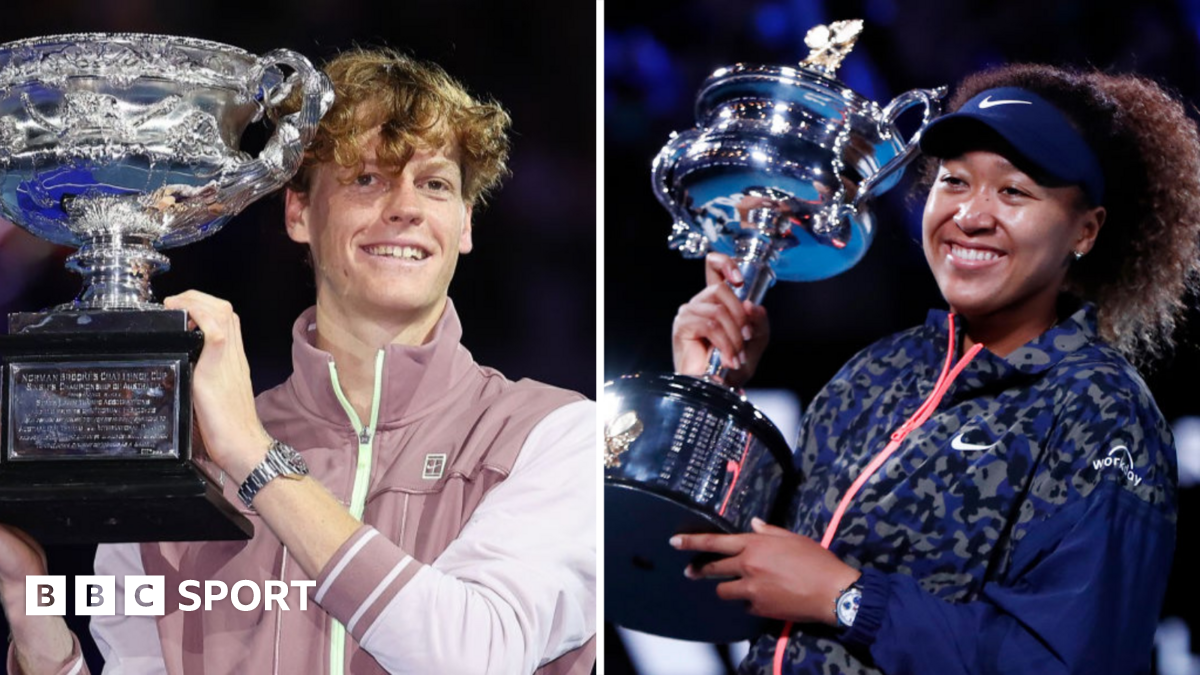
The expansion of the player field at the Australian Open in 2026, incorporating amateurs with the simple goal of winning a single point against the world’s best, is a testament to the event’s growing popularity. As of January 2026, Naomi Osaka and Zheng Qinwen have joined the roster of professionals participating in the One Point Slam, further elevating its profile. on the men’s side, two-time defending Australian Open champion Jannik Sinner has also committed to participate.
What are your thoughts on this new format? Do you think it will become a permanent fixture of the Australian Open, and could it be adopted by other Grand Slam tournaments?
The Future of Tennis Entertainment
The One Point Slam represents a significant shift in how tennis is presented and consumed. It’s a move away from traditional, lengthy matches towards shorter, more digestible, and highly dramatic encounters. This approach aligns with the evolving preferences of modern sports fans who are accustomed to fast-paced, highlight-reel moments. The success of this event could pave the way for similar innovations across the sport, potentially attracting new sponsors and expanding the global tennis fanbase.
Here’s a quick comparison of the key elements:
| feature | One Point Slam | Traditional Match |
|---|---|---|
| Match Length | Single Point | Multiple Sets |
| Player Mix | Pros & Amateurs | Professionals Only |
| Focus | Instant Drama | Strategic Gameplay |
Ultimately, the One Point Slam is more than just a novelty event; it’s a strategic investment in the future of tennis. By embracing innovation and prioritizing fan engagement, the Australian Open is positioning itself as a leader in the evolution of the sport.
Worth a look