
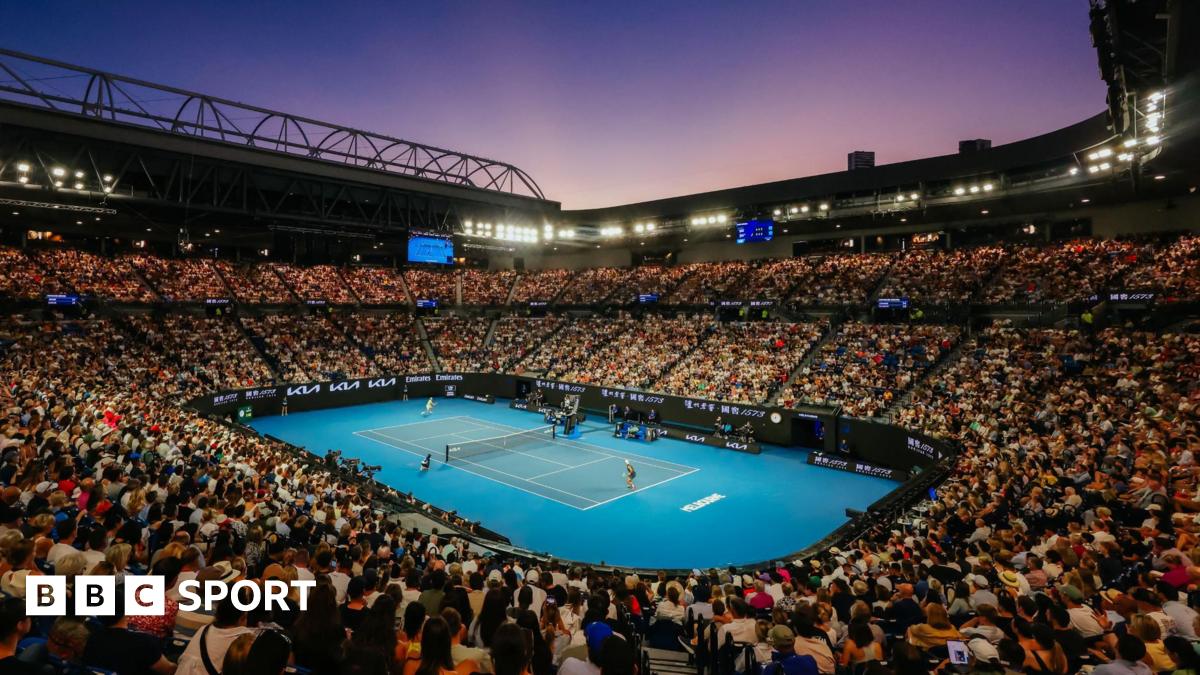
The world of professional tennis is undergoing a important shift as top players advocate for a more equitable distribution of revenue within the sport. Leading athletes like Jannik Sinner, Aryna Sabalenka, and alexander Zverev are spearheading a movement demanding a larger share of tournament earnings for all participants. This push for increased prize money isn’t just about the superstars; it’s a call for a fairer system that supports players across the entire spectrum of the game.
Beyond simply increasing payouts,these prominent figures are also seeking greater involvement in the governance of the sport. They envision a future where players have a stronger voice in shaping the structure of tournaments and the overall direction of professional tennis. Furthermore, they are championing enhanced financial support for crucial player welfare programs, including pensions, healthcare, and maternity benefits.
the Growing Demand for Fairer Prize Money Distribution
Recent financial reports indicate the substantial revenue generated by major tennis events. For instance, Tennis Australia reportedly earned $697.2 million (approximately £346 million) in total revenue in 2025. Considering this figure, the current allocation of 16% of revenue towards Australian Open prize money is under scrutiny. I’ve found that this level of scrutiny is typical when revenue significantly outpaces player compensation.
Comparatively, the US Open distributed 16% of its revenue to players in 2025, while Wimbledon offered 13%. The French Open, notably, does not publicly disclose its financial figures, making direct comparison difficult. though, the trend is clear: players are seeking a more consistent and substantial share of the profits generated by these prestigious tournaments.
Did You Know? The ATP and WTA tour events currently offer players around 22% of revenue, a benchmark the Grand Slam players are aiming to reach.
The Proposed Five-Year Plan
The leading players have proposed a phased approach to increasing their share of revenue over the next five years. The ultimate goal is to align Grand Slam prize money distribution with that of combined ATP and WTA events, moving closer to the 22% mark. This isn’t about immediate gratification; it’s about establishing a sustainable and equitable financial model for the future of the sport.
This year’s increase in the total Australian Open prize pool positions it favorably against Wimbledon and the French Open in terms of financial rewards. However, it still trails behind the US Open, which offered a larger sum in 2025. here’s a quick comparison:
| Tournament | Prize Money (2025/2026) |
|---|---|
| Australian Open | $111.5 million |
| Wimbledon | £53.5 million (approx. $67.6 million) |
| French Open | £47.5 million (approx. $60.1 million) |
| US Open | £67.4 million (approx. $85.4 million) |
The 2026 Australian Open, commencing on January 18th in Melbourne, will showcase this increased commitment to player compensation. It’s a clear signal that tournament organizers are listening – and responding – to the demands for a more balanced financial structure.
The broader Implications for Tennis
This movement isn’t solely about money; it’s about the long-term health and sustainability of professional tennis. A more equitable distribution of revenue can help support a wider range of players, fostering greater competition and attracting new talent to the sport. It also addresses concerns about the financial burdens faced by players, notably those outside the top rankings.
Moreover,increased contributions to pension,healthcare,and maternity funds demonstrate a commitment to player welfare. These are essential investments in the well-being of the athletes who dedicate their lives to the sport. I believe that prioritizing player welfare is not just ethically sound, but also strategically beneficial for the long-term growth of tennis.
Pro

CES 2026: Top Smart Glasses & Future Eyewear
Nebraska Medicine Governance & Project Health: Regents’ Decision


Related Posts

Sophia Sammons: Road Nationals Pursuit & Building a Cycling Profi ...
January 8, 2026
Man City Stumble in Title Race: Key Takeaways & Analysis
January 8, 2026![Kaan Ofli: Homecoming of a Champion | [Sport/Discipline] Star Returns
**OR**
Kaan Ofli Returns: The Champion’s Homecoming Story
**OR**
Welcome Home, Kaan Ofli: [Sport/Discipline] Star’s Triumphant Return
*(Replace “[Sport/Discipline]” with the rele](https://i0.wp.com/ufc.com/images/styles/card/s3/2026-01/010726-hero-kaan-ofli_GettyImages-2240488227.jpg?resize=330%2C220&ssl=1 "Kaan Ofli: Homecoming of a Champion | [Sport/Discipline] Star Returns
**OR**
Kaan Ofli Returns: The Champion’s Homecoming Story
**OR**
Welcome Home, Kaan Ofli: [Sport/Discipline] Star’s Triumphant Return
*(Replace “[Sport/Discipline]” with the rele")


