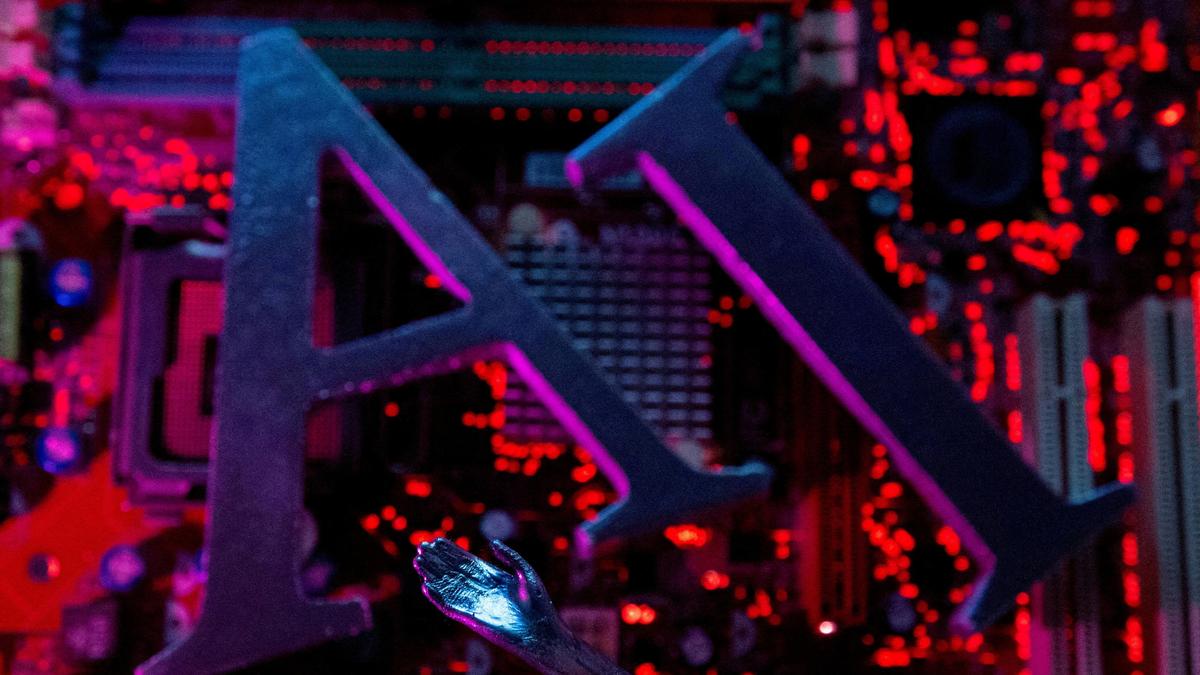
australia Sets a Global Precedent: Protecting Creator Rights in the Age of AI
The world is watching Australia. Recently, the nation has taken a firm stance on artificial intelligence and its impact on creative industries, positioning itself as a key defender of creator rights. This decision isn’t just a local matter; itS a signal to democracies worldwide grappling with how to navigate the complex intersection of technology and copyright.
tech companies are increasingly seeking access to vast datasets – often copyrighted material – to fuel the development of increasingly powerful AI models. Australia’s response? To prioritize the rights of those whose work powers these advancements. But this isn’t without friction. Backlash from cultural and media groups underscores a growing concern: should transformative technology trump established rights and jeopardize creative economies?
Why This Matters Now
The urgency stems from AI’s rapidly evolving capabilities. It’s no longer simply about automation. AI can now generate original content, replicate artistic styles, and even mimic individual voices. This blurring of lines between inspiration and appropriation is deeply unsettling for creators.
Here’s what’s at stake:
* Loss of Agency: Creators fear losing control over how their work is used and adapted.
* Financial Harm: Unchecked AI-driven content generation threatens revenue streams.
* Cultural Dilution: The widespread, uncompensated use of creative work risks homogenizing culture.
* Disproportionate Impact: Self-reliant artists and smaller organizations – those with limited resources – are especially vulnerable. For them, copyright protection isn’t just legal; it’s essential for survival.
Australia’s ruling is significant as it sends a clear message. Technological progress must coexist with respect for creators,culture,and the economic systems that support them.It’s a recognition that innovation shouldn’t come at the expense of fairness.
A Potential Model for Ethical AI Development
The Australian government is now considering moving from a voluntary licensing system to a mandatory, paid one. This could establish a new standard for ethical AI development. It emphasizes a genuine value exchange – ensuring creators are compensated for the use of their work. this fosters trust between innovators and the creative sector.
Think about it from yoru viewpoint as a creator. You invest time, skill, and passion into your work. Shouldn’t you benefit when that work contributes to the development of powerful new technologies?
Australia’s approach suggests “yes.” It champions a future where technology amplifies human creativity, rather than exploiting it.
A Global Call to Action
As other democracies debate the benefits and risks of the AI revolution, Australia’s position offers a vital reminder. Innovation doesn’t have to come at the cost of fairness, cultural richness, or the livelihoods of creative professionals.
This isn’t about hindering progress. it’s about shaping it responsibly. It’s about ensuring that the AI revolution benefits everyone, not just a select few. Australia is demonstrating that a future where technology and creativity thrive together is not just possible – it’s within reach.
Published – November 02, 2025 03:42 am IST
Worth a look