Austria Approves EU Sanctions Package Against Russia: A Deep Dive
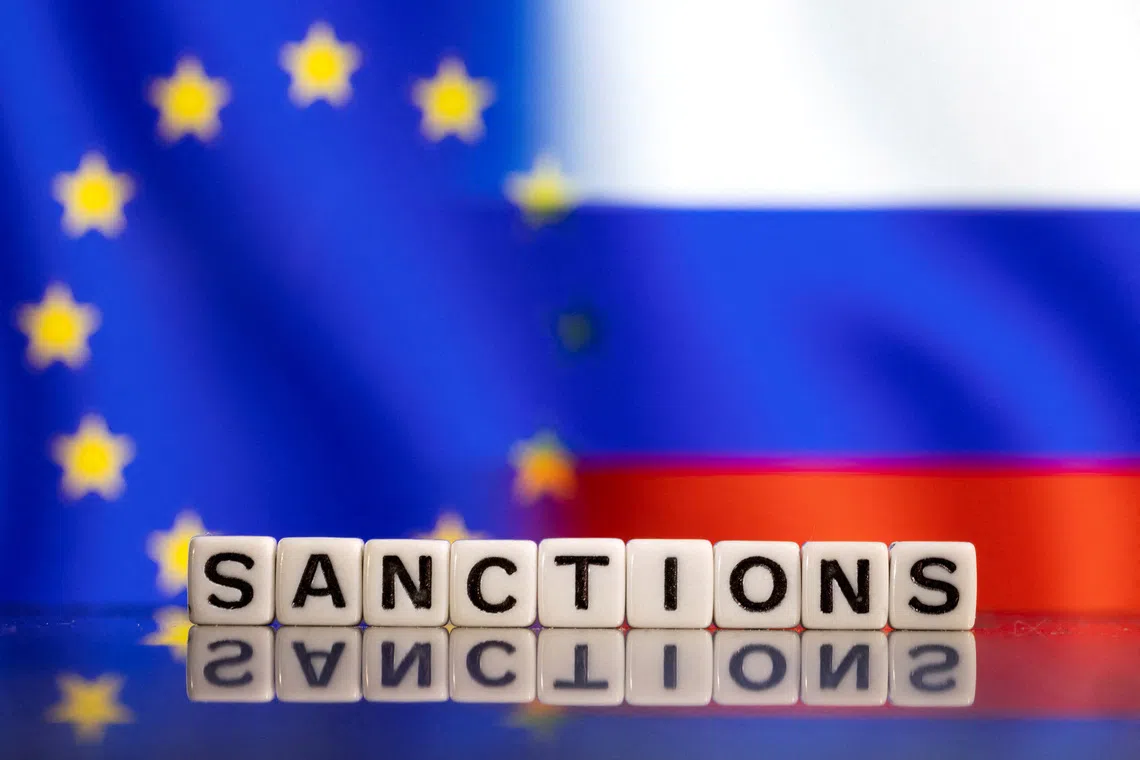
The European Union’s path to enacting its 19th sanctions package against russia just cleared a notable hurdle. Austria, after initially voicing strong reservations, announced on Saturday its agreement to the measures, effectively removing a key roadblock ahead of the scheduled vote on Monday in Luxembourg. This development is crucial as the EU continues to calibrate its response to Russia’s ongoing invasion of Ukraine, and highlights the complex negotiations involved in maintaining a unified front. But what exactly does this package entail, and why was Austria initially hesitant? let’s explore the details, the implications, and the future of EU-Russia relations.
Understanding the 19th EU Sanctions Package
This latest round of EU sanctions against Russia is thorough, encompassing a range of energy and financial restrictions. A key component is the accelerated ban on Russian liquefied natural gas (LNG), now slated for January 1, 2027 - a year earlier than previously planned. This move aims to further diminish Russia’s revenue streams from energy exports, a critical source of funding for the war effort.Beyond LNG, the package includes measures targeting key sectors of the Russian economy, aiming to limit access to vital technologies and financial resources.
Recent data from the Centre for Research on Energy and Clean Air (CREA), published in October 2023, indicates that EU imports of russian fossil fuels have decreased by 80% since February 2022, demonstrating the impact of previous sanctions.However, complete energy independence remains a challenge, and the accelerated LNG ban reflects a commitment to further reduce reliance. https://crea-net.org/
The need for unanimous support from all 27 EU member states underscores the delicate balance required in formulating these policies.While most nations readily agreed, Austria’s initial resistance stemmed from concerns regarding the potential impact on its financial sector, specifically Raiffeisen bank International (RBI).
Austria’s Initial Hesitation and the RBI factor
Austria’s initial reluctance centered around demands to unfreeze some Russian assets to compensate RBI for penalties imposed by Russia. RBI, one of the Western banks most exposed to Russia, faced significant financial repercussions due to sanctions and counter-sanctions. The Austrian government argued that compensating RBI was essential to protect its financial stability.
Though, this position faced strong opposition from other EU governments, who viewed unfreezing assets as a weakening of the sanctions regime. The principle of collective obligation and the need to maintain a firm stance against Russian aggression prevailed. Ultimately, Austria relented, recognizing the importance of EU unity and the broader geopolitical implications. This demonstrates the power dynamics within the EU and the challenges of balancing national interests with collective security goals. The situation also highlights the broader issue of Russian asset freezes and the complexities of managing them effectively.
Slovakia also expressed reservations, but the European Commission is expected to address these concerns with a clarifying letter on Monday, perhaps smoothing the path for full approval. This illustrates the ongoing negotiation process and the commission’s role in mediating between member states.
Implications and Future Outlook
The approval of this sanctions regime sends a strong signal of EU resolve to Russia. It reinforces the message that continued aggression will be met with escalating economic pressure. Though, the effectiveness of sanctions is a subject of ongoing debate. While they undoubtedly inflict economic pain on Russia, their ability to fundamentally alter Russia’s behavior remains uncertain.
Experts at the Atlantic council suggest that sanctions are most effective when combined with other forms of pressure, such as diplomatic isolation and military aid to Ukraine. https://www.atlanticcouncil.org/
Looking ahead, the EU will likely continue to refine its sanctions strategy, adapting to evolving circumstances and addressing loopholes. The focus will likely remain on tightening restrictions on energy exports,limiting access to advanced technologies,and targeting individuals and entities involved in supporting the war effort. The long-term impact of these measures will depend on a variety of factors, including Russia’s ability to find alternative markets and its willingness to continue absorbing economic costs. The debate surrounding EU-Russia relations will undoubtedly continue,shaping the geopolitical landscape for years to come.
Evergreen Insights: The Evolving Landscape of Economic Warfare
Economic sanctions have become an increasingly prominent tool of foreign policy in the 21st century. Though, their effectiveness is frequently enough debated. Historically, sanctions have had mixed results, sometimes achieving their intended objectives, but ofen falling short. The key to successful sanctions lies in careful design, broad international cooperation, and a clear understanding of the target contry’s vulnerabilities.Moreover, sanctions are rarely a