
In a decisive move to expand its footprint within the East Asian mobility sector, the South Korean autonomous driving specialist Autonomous A2Z has unveiled a strategic roadmap for the commercialization of its robotaxi services in Japan. The announcement follows the company’s recent participation in a high-level technical seminar held in Tokyo, marking a significant step in its transition from research and development toward large-scale commercial deployment.
The company confirmed that it took part in the “X Taxi Autonomous Driving Seminar,” which was hosted on May 20, 2026, at the TKP Garden City Premium Shinagawa Takanawa-guchi in Tokyo. The seminar served as a platform for Autonomous A2Z to present its technological capabilities and its specific vision for integrating autonomous ride-hailing services into the Japanese urban landscape.
This strategic pivot comes at a critical juncture for the autonomous vehicle (AV) industry. As global competition intensifies between major tech conglomerates and specialized startups, Autonomous A2Z is positioning itself as a key regional player capable of navigating the complex regulatory and technical requirements of the Japanese market. By focusing on the “X Taxi” framework, the company aims to address the growing demand for automated, efficient, and safe transportation solutions in one of the world’s most advanced automotive ecosystems.
The Tokyo Seminar: A Gateway to Japanese Commercialization
The selection of Tokyo as the venue for the “X Taxi” seminar underscores the importance the company places on the Japanese market. The event, held at the TKP Garden City Premium Shinagawa Takanawa-guchi, brought together industry stakeholders to discuss the practicalities of moving robotaxis from controlled testing environments to public streets.
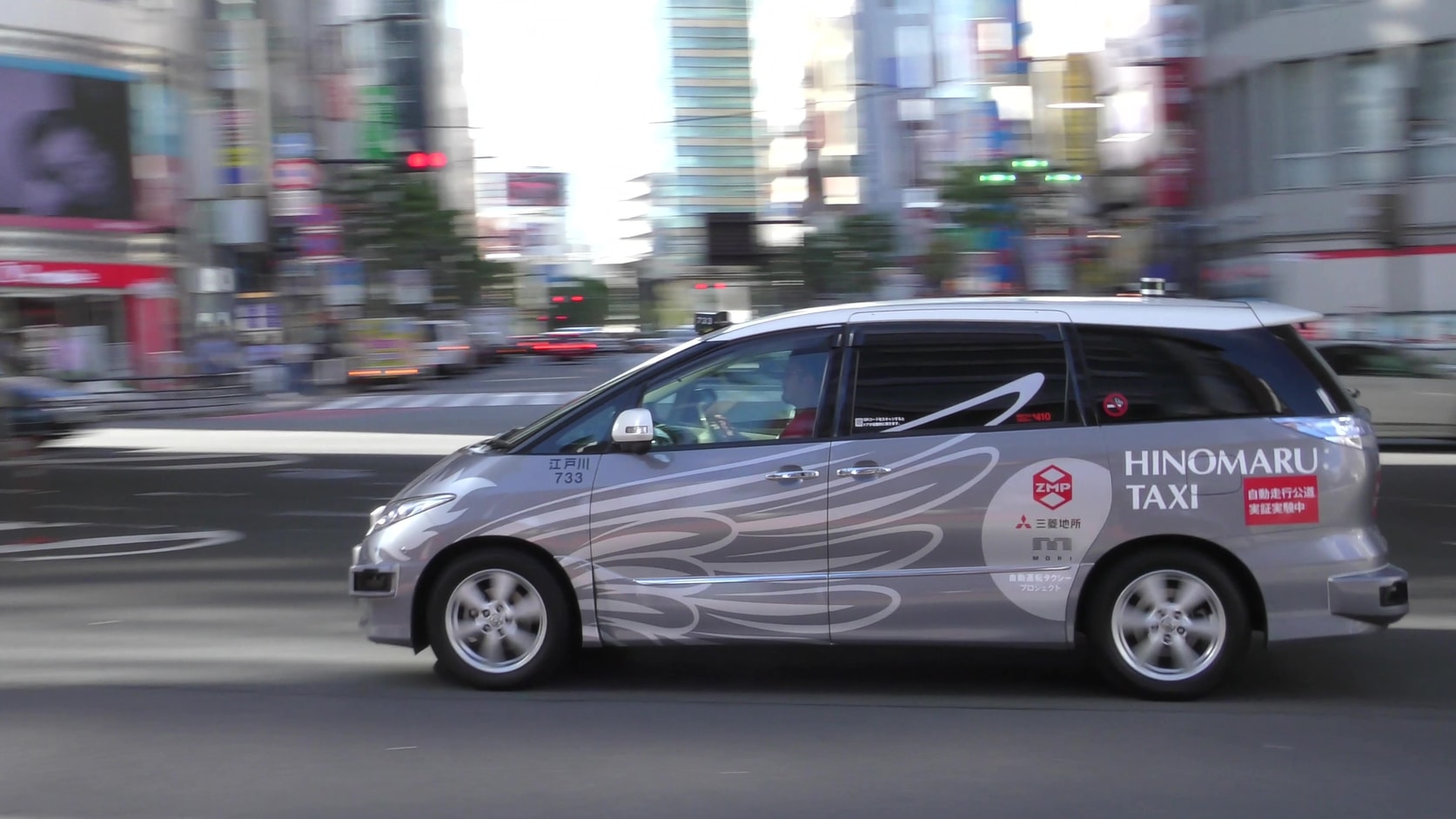
During the seminar, Autonomous A2Z detailed its approach to the “X Taxi” model, which centers on the seamless integration of autonomous software with existing transportation infrastructure. While specific technical specifications of the “X Taxi” platform were the focus of the presentation, the overarching goal remains clear: to provide a reliable, driverless taxi service that can operate within the high-density, high-complexity environments characteristic of Japanese metropolitan areas.
Industry analysts note that for a South Korean firm to successfully enter the Japanese market, it must demonstrate not only technological superiority but also a deep understanding of local safety standards and urban mobility patterns. The seminar was widely viewed as an effort to build trust with Japanese partners, regulators, and potential end-users.
Strategic Importance of the Japanese Market
The decision to prioritize Japan for robotaxi commercialization is driven by several converging socio-economic factors. Japan is currently facing a demographic shift characterized by an aging population and a shrinking workforce, which has led to a critical shortage of professional drivers in the taxi and public transport sectors.

Autonomous mobility offers a potential solution to these systemic challenges. By deploying robotaxis, cities can maintain high levels of mobility for elderly citizens and ensure consistent transport services despite labor shortages. The Japanese government has shown increasing interest in supporting autonomous technologies to bolster national productivity and modernize urban infrastructure.
- Labor Shortages: Addressing the deficit of commercial drivers through automated systems.
- Demographic Support: Providing reliable mobility solutions for an aging society.
- Urban Efficiency: Optimizing traffic flow and reducing congestion through intelligent, autonomous fleet management.
- Technological Synergy: Leveraging Japan’s advanced automotive manufacturing base to integrate autonomous software.
Navigating the Path to Full Autonomy
Despite the momentum, the journey toward widespread robotaxi commercialization is fraught with technical and regulatory hurdles. Autonomous A2Z must contend with the immense complexity of “edge cases”—unpredictable real-world scenarios such as extreme weather, sudden human behavior, or complex construction zones—that require sophisticated sensor fusion and AI decision-making.
Regulatory approval remains perhaps the most significant barrier. In Japan, as in many other nations, the legal framework for Level 4 and Level 5 autonomous vehicles is still evolving. Companies must work closely with transport authorities to establish safety protocols, liability frameworks, and data privacy standards that satisfy both the public and the government.
The “X Taxi” strategy appears to be designed with these complexities in mind, emphasizing a phased approach to deployment. This typically involves moving from highly controlled, geofenced areas to more expansive urban routes as the technology proves its reliability and the regulatory environment matures.
Key Takeaways: Autonomous A2Z’s Market Entry
| Category | Details |
|---|---|
| Core Objective | Commercialization of robotaxi services in Japan. |
| Primary Platform | X Taxi autonomous driving system. |
| Key Event | X Taxi Autonomous Driving Seminar (Tokyo, May 20, 2026). |
| Target Market Drivers | Driver shortages and aging demographic in Japan. |
| Primary Challenge | Regulatory compliance and complex urban navigation. |
As Autonomous A2Z continues to refine its technology and forge local partnerships, the success of the “X Taxi” initiative will serve as a litmus test for South Korean autonomous driving firms seeking to compete on the global stage. The ability to successfully integrate into the Japanese mobility landscape would provide a significant blueprint for future international expansions.

We will continue to monitor official filings and industry updates regarding Autonomous A2Z’s partnership announcements and pilot program timelines in Japan. For further updates on the evolution of autonomous mobility in East Asia, please follow our technology and geopolitics sections.
What are your thoughts on the rise of robotaxis in aging societies? Do you believe autonomous technology can effectively solve the driver shortage? Share your views in the comments below and share this article with your network.
Worth a look