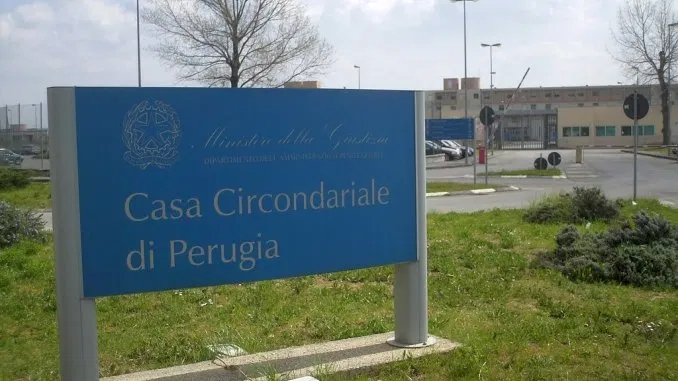
In a development that has sent shockwaves through Italy’s legal community, the Procura Generale di Perugia has addressed allegations of illegal wiretapping in the prison’s meeting rooms, where attorneys and inmates were recorded during confidential consultations. The controversy centers on advocate Daniela Paccoi, a lawyer based in Perugia, whose defense team has accused authorities of overreach in an ongoing investigation. While the Procura has not confirmed wrongdoing, the case raises critical questions about due process, legal ethics, and the boundaries of investigative powers in Italy’s justice system.
The revelations stem from an interview given by Alessandro Cannevale, a former magistrate now practicing as a defense attorney, to the Italian daily La Verità. Cannevale, representing a colleague under investigation, alleged that audio and video recordings were activated in all meeting rooms at the Casa Circondariale di Perugia “Capanne”, capturing not only conversations between his client and the accused but also discussions between other inmates and their lawyers—none of whom were subjects of the probe. The Camera Penale “Fabio Dean” of Perugia, in a statement signed by its president, Luca Gentili, confirmed that the recordings continued even after it became evident they were not limited to the individuals under investigation.
The Procura Generale di Perugia, led by Procuratore Generale Sergio Sottani, has since issued a clarification, though details remain scarce. The office has not yet provided a full transcript or confirmed whether the recordings were obtained legally under Article 266 of Italy’s Code of Criminal Procedure, which permits judicial authorization for wiretapping in specific circumstances. Legal experts warn that if the recordings were conducted without proper judicial oversight, they could be deemed inadmissible in court—a move that could undermine the integrity of the investigation.
What Happened: A Timeline of the Controversy
According to verified reports, the incident unfolded as follows:
- May 21, 2026: Alessandro Cannevale, a defense attorney, disclosed in La Verità that his client’s meetings with Paccoi—along with those of other inmates and their lawyers—were recorded without authorization. He described the practice as a “violation of the right to defense”, arguing that such tactics could “unduly favor the prosecution”.
- May 22, 2026: The Camera Penale di Perugia issued a statement acknowledging the allegations and confirming that recordings had been made in multiple meeting rooms, including those involving lawyers and clients not connected to the investigation. The statement emphasized that the recordings were “still available to prosecutors and defense attorneys” involved in the case.
- May 24, 2026: The Procura Generale di Perugia intervened, though its official response has not yet been published in full. Early reports suggest the office is “clarifying the procedural steps” but has not denied the allegations outright.
While the timeline is clear, key questions remain unanswered: Were the recordings authorized by a judge? Were they limited to the specific individuals under investigation, or did they capture unrelated conversations? And if the latter, could they be excluded from evidence?
Legal and Ethical Implications: Why This Case Matters
The controversy touches on several fundamental principles of Italian law:
- Right to Defense (Article 24 of the Italian Constitution): The Italian Constitution guarantees defendants the right to confidential communication with their lawyers. If these recordings were obtained without proper authorization, they could be seen as a breach of this right.
- Judicial Oversight of Wiretapping (Article 266 of the Code of Criminal Procedure): Under Italian law, wiretapping—even in prisons—requires judicial approval and must be strictly limited to the scope of the investigation. If the recordings extended beyond the accused to unrelated parties, they may be deemed illegally obtained.
- Due Process Concerns: The use of such tactics could set a dangerous precedent, allowing prosecutors to monitor all legal consultations in a case, potentially chilling the exercise of legal rights by defendants.
Legal scholars, including Professor Marco Zanotti of the University of Bologna, have warned that if the recordings are ruled inadmissible, it could “compromise the entire investigation”. Meanwhile, defense attorneys argue that the practice “erodes public trust in the justice system”, particularly in a country where corruption and procedural abuses have long been points of contention.
Who Is Involved: Key Players in the Case
The dispute involves several high-profile figures and institutions:
- Daniela Paccoi: The Perugia-based advocate at the center of the controversy. Paccoi is under investigation in an unspecified case, though details remain classified. Her defense team has been vocal in denouncing the wiretapping as a “gross violation”.
- Alessandro Cannevale: A former magistrate turned defense attorney, Cannevale has been a vocal critic of the practice. His allegations were first published in La Verità and have since been echoed by the Camera Penale di Perugia.
- Luca Gentili: President of the Camera Penale “Fabio Dean” of Perugia, Gentili issued a statement confirming the wiretapping and its broader scope. His office has called for a “full investigation into the legality of the recordings”.
- Sergio Sottani: The Procuratore Generale di Perugia, Sottani’s office has yet to provide a definitive response, though early indications suggest they are “reviewing the procedural steps” taken in the case.
- Casa Circondariale di Perugia “Capanne”: The prison where the wiretapping allegedly took place. Authorities have not yet commented on whether the practice was an isolated incident or part of a broader surveillance policy.
What Happens Next: The Road Ahead
The next critical steps in the case will likely include:

- Judicial Review of the Recordings: A judge will need to determine whether the wiretapping was authorized and whether the recordings can be admitted as evidence. If deemed illegal, prosecutors may face significant setbacks in their case.
- Disciplinary Action Against Prison Staff: If the wiretapping was conducted without proper authorization, prison officials and prosecutors involved could face disciplinary or even criminal charges for abuse of power.
- Broader Reforms on Prison Surveillance: The case may prompt discussions about strengthening oversight of investigative tactics in Italian prisons, particularly regarding confidential attorney-client communications.
- Public Debate on Legal Ethics: The controversy could reignite debates about the balance between investigative powers and individual rights, with legal experts and civil society groups likely weighing in.
For now, the Procura Generale di Perugia has not set a deadline for its full response. However, legal observers expect a judicial ruling on the admissibility of the recordings within the next 30 days. In the meantime, Paccoi’s defense team has vowed to “pursue all available legal remedies” to challenge the recordings.
Key Takeaways: What Readers Should Know
- The controversy involves alleged illegal wiretapping of attorney-client meetings in Perugia’s prison, capturing conversations unrelated to the investigation.
- Italian law requires judicial authorization for wiretapping, and recordings must be limited to the scope of the case. If these conditions were violated, the evidence could be ruled inadmissible.
- The Procura Generale di Perugia has not yet confirmed whether the wiretapping was legal, though early responses suggest they are reviewing the matter.
- Legal experts warn that if the recordings are excluded, it could derail the entire investigation, raising questions about prosecutorial overreach.
- The case has sparked broader concerns about due process and the protection of legal confidentiality in Italy’s justice system.
As the situation develops, World Today Journal will continue to monitor the case and provide updates on any judicial rulings or official statements. In the meantime, readers with questions about Italian criminal procedure or attorney-client privileges are encouraged to consult the Italian Ministry of Justice or a qualified legal professional.
What are your thoughts on this case? Should there be stricter oversight of investigative tactics in Italian prisons? Share your views in the comments below—and don’t forget to follow World Today Journal for further updates on this developing story.
Keep reading