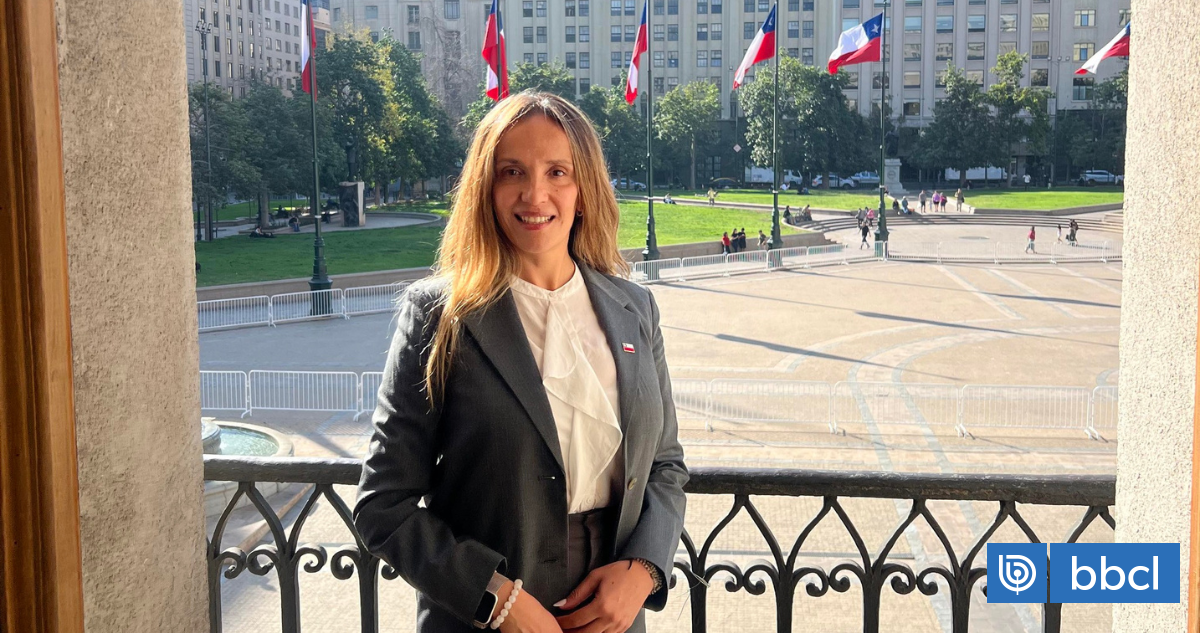
The regional government in Aysén, Chile, is currently navigating a period of internal scrutiny following reports involving the Regional Ministerial Secretary (Seremi) of Transport and Telecommunications, Claudia Cantero. The incident, which took place at a police station in Coyhaique, has drawn significant public attention to the conduct of high-ranking regional officials and their interactions with law enforcement authorities.
As an editor who has covered international political developments for over 16 years, I find these situations serve as a critical reminder of the expectations placed upon public servants. In any democracy, the separation between personal affairs and official duty is a cornerstone of public trust. When an incident involving a high-ranking official occurs within the confines of a police facility, the subsequent investigation—often managed by the Carabineros de Chile—becomes a matter of significant public interest, as outlined in the official guidelines for institutional conduct.
The Incident in Coyhaique: Verified Context
The events in question unfolded in the capital of the Aysén Region, where local law enforcement officers were engaged in a standard detention procedure involving the spouse of the regional transport official. According to reports from regional authorities, the situation escalated when the Seremi arrived at the police facility, allegedly attempting to intervene in the administrative process regarding her husband’s detention. The interaction between public officials and police forces is governed by strict protocols in Chile, ensuring that no individual—regardless of their political stature—can bypass the legal procedures established by the Public Ministry and the Chilean Penal Code.
For those following regional politics in Chile, this case highlights the tension that can arise when personal matters intersect with professional responsibilities. The Seremi de Transportes, as a representative of the executive branch at the regional level, is expected to uphold the rule of law at all times. The involvement of the Carabineros, who act as the primary law enforcement agency in the region, necessitates a transparent investigation to ensure that all protocols were followed without bias or external pressure.
Public Accountability and Institutional Integrity
In democratic governance, the concept of “public integrity” is not merely an abstract ideal; it is a functional requirement for the legitimacy of regional offices. When a government official is accused of interfering with a police procedure, it inevitably raises questions regarding the misuse of influence. In the Aysén region, a territory that values its autonomy and the strict application of local regulations, such incidents are scrutinized heavily by both the press and the citizenry.
The role of the Seremi is to oversee the implementation of national transport policies, manage regional transit infrastructure, and coordinate with local municipalities. When the individual holding this office becomes the center of a controversy, the focus shifts from policy to personal conduct. The Ministry of the Interior and Public Security typically oversees the behavior of regional appointees, and the expectation is that they act as models of civic responsibility. Any deviation from this standard often triggers internal reviews or, in more severe cases, administrative sanctions.
Key Considerations for the Public
- Legal Protocols: The detention of any individual in Chile must follow the guidelines set forth by the Code of Criminal Procedure, which prohibits interference from external parties, including government officials.
- Transparency: Public institutions are required to provide clarity when their representatives are involved in legal disputes to maintain the trust of the electorate.
- The Role of Law Enforcement: The Carabineros de Chile are mandated to maintain order and enforce the law impartially, regardless of the political affiliation or social standing of the individuals involved.
For readers looking to stay updated on the official status of this incident, it is essential to monitor statements from the Undersecretariat for Regional and Administrative Development (SUBDERE), which often provides the most reliable information regarding the status of regional ministerial secretaries. As of the latest reports, there have been no formal charges filed against the Seremi, though the incident continues to be a subject of discussion within the regional legislative assembly.
What Happens Next?
As this story develops, the next logical steps involve the potential for an administrative inquiry conducted by the central government. In Chile, regional ministerial secretaries serve at the pleasure of the President and are subject to the oversight of their respective ministries—in this case, the Ministry of Transport, and Telecommunications. Should the investigation reveal a violation of public service codes, the government may opt for disciplinary measures ranging from formal warnings to the removal of the official from their post.
It remains to be seen how the central administration in Santiago will address the fallout from the events in Coyhaique. Historically, the government has moved to distance itself from controversies that threaten to undermine the perceived impartiality of regional authorities. For now, the public and the media await further documentation from the police reports, which will serve as the primary evidence for any future administrative or legal actions.
We will continue to track this situation as more information becomes available through official government channels. If you have any insights or wish to discuss the implications of this story on regional governance, please share your thoughts in the comments section below. Ensuring that our public officials remain accountable is a collective responsibility, and staying informed is the first step in that process.
Worth a look