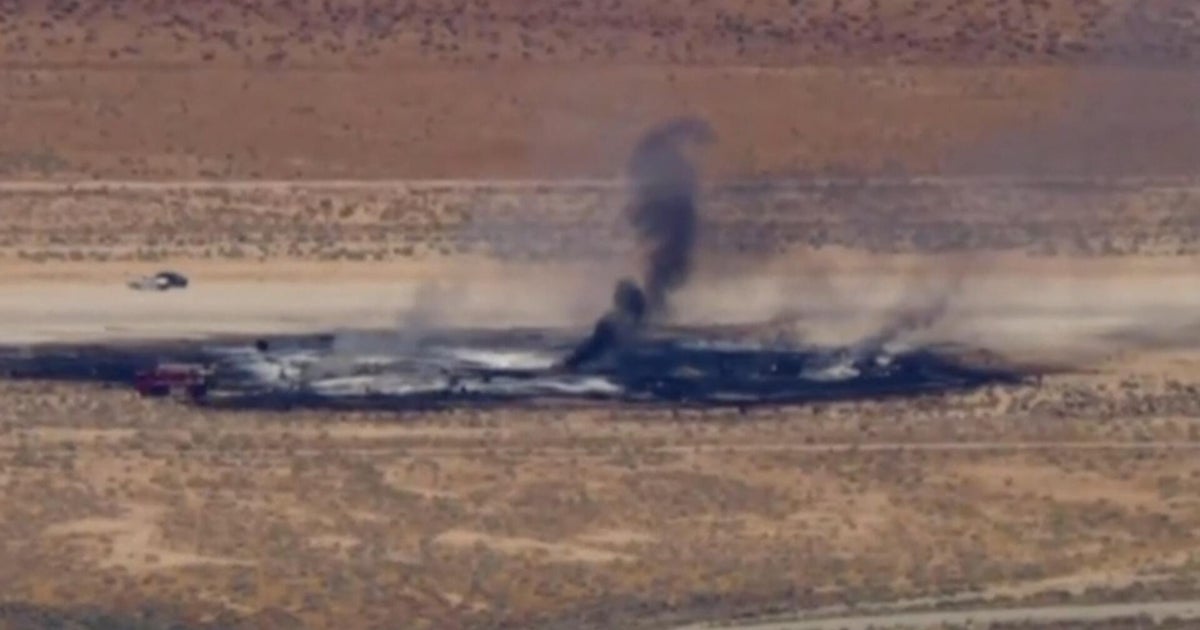
Eight Believed Dead Following B-52 Bomber Crash at Edwards Air Force Base
Eight people are believed to have died in a B-52 bomber crash at Edwards Air Force Base in California, according to preliminary reports. While the U.S. Air Force has not yet released an official statement confirming the exact casualty count or the cause of the accident, initial reports indicate a significant incident occurred at the installation.
Emergency response teams have reportedly been deployed to the site at the Edwards Air Force Base, located in the Mojave Desert of Kern County, California. The incident involves a B-52 Stratofortress, a long-range, subsonic, jet-powered strategic bomber that has remained a cornerstone of the United States’ aerial capabilities for decades.
What are the current details regarding the B-52 crash at Edwards Air Force Base?
As of the latest reports, officials have not provided a definitive list of the individuals involved or the specific circumstances leading to the crash. The reported figure of eight fatalities remains unconfirmed by official military channels, which typically withhold names and specific counts until next-of-kin notifications are completed.
The crash occurred within the boundaries of the Edwards Air Force Base, a facility primarily used for flight testing and aeronautical research. Local authorities and military personnel are currently managing the scene, and flight operations at the base may be subject to restrictions during the initial stages of the emergency response. Details regarding the flight’s origin, intended destination, or whether the aircraft was engaged in a training mission or a test flight have not been made public.
Why is Edwards Air Force Base a critical site for military aviation?
Edwards Air Force Base serves as one of the most important aeronautical testing centers in the world. Its location in the high desert provides vast, uninhabited airspace and expansive dry lake beds, which are essential for testing experimental aircraft and recovering planes that have experienced landing gear failures.

The base is a joint-use facility, supporting both the United States Air Force and NASA’s Armstrong Flight Research Center. This partnership allows for high-stakes testing of:
- Experimental flight control systems.
- Next-generation propulsion technologies.
- Advanced stealth and aerodynamic configurations.
- Hypersonic flight capabilities.
Because of its unique geography and specialized infrastructure, any major accident at Edwards often triggers intense scrutiny of both military flight safety protocols and civilian-military research coordination.
How does the U.S. Air Force investigate aircraft crashes?
When a military aircraft is involved in a mishap, a rigorous and standardized investigation process begins immediately. The primary objective is to determine the cause of the accident to prevent future occurrences, rather than to assign blame.
The investigation typically follows these stages:
- Immediate Site Preservation: The crash site is secured to protect wreckage, flight data recorders (often called “black boxes”), and other forensic evidence.
- Mishap Investigation Board (MIB): The Air Force convenes a formal board of experts, including pilots, engineers, and safety officers, to conduct a comprehensive analysis.
- Technical Analysis: Investigators examine engine performance, structural integrity, and maintenance records. If the crash occurred in an area involving civilian airspace or assets, the National Transportation Safety Board (NTSB) may also participate in the inquiry.
- Final Report: The investigation concludes with a formal report detailing the probable cause and issuing safety recommendations to the Air Force Safety Center.
These investigations can take months to complete, particularly when complex mechanical failures or human factors are suspected.
The operational significance of the B-52 Stratofortress
The B-52 Stratofortress is an anomaly in modern aviation due to its extreme longevity. Entering service in the 1950s, the aircraft was originally designed as a high-altitude nuclear bomber. Today, it has been adapted for conventional precision strikes, maritime surveillance, and standoff missile deployment.

While newer stealth bombers like the B-2 Spirit and the B-21 Raider offer advanced low-observability, the B-52 remains vital because of its massive payload capacity and its ability to operate from diverse global locations. However, the age of the B-52 fleet—with some airframes approaching 70 years of service—has led to ongoing discussions within the Department of Defense regarding maintenance requirements and the integration of modern avionics into legacy airframes.
The continued reliance on the B-52 makes any significant mishap a matter of interest for strategic planners, as it impacts fleet readiness and the overall availability of heavy bomber assets in global strike operations.
Key Information Summary
| Category | Details |
|---|---|
| Location | Edwards Air Force Base, California |
| Aircraft Type | B-52 Stratofortress |
| Reported Fatalities | 8 (Unconfirmed by officials) |
| Primary Agency | U.S. Air Force |
Official confirmation regarding the status of the crew and the cause of the crash is expected in a formal briefing from the Air Force spokesperson. Further updates will be provided as the investigation by the Air Force Safety Center commences.
Please share this report and leave your comments below to stay informed on developing updates regarding this incident.
Related reading