Mobilizing Uganda: A Deep Dive into the NRM’s 2026 Election Strategy
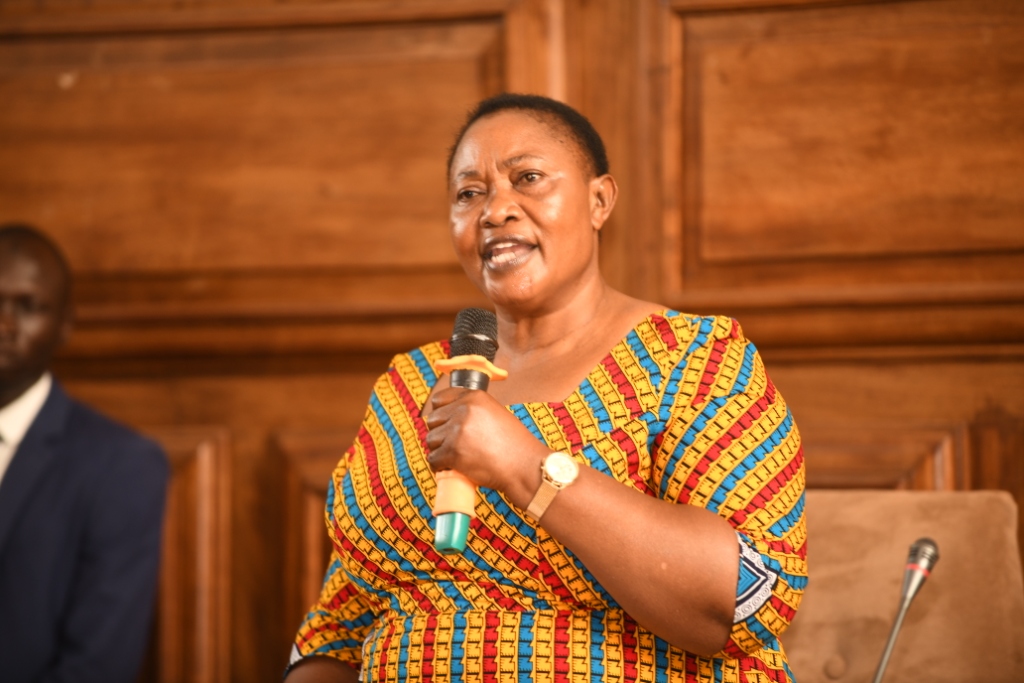
The political landscape in Uganda is heating up as the National Resistance Movement (NRM) gears up for the 2026 elections. Recent developments, including a key meeting between Minister for the Presidency, Hon. Babirye Milly Babalanda, and NRM Sub-County Chairpersons from the Busoga region, signal a renewed focus on grassroots mobilization.This isn’t simply about rallies and speeches; it’s a meticulously planned strategy to secure a landslide victory for President Yoweri Kaguta Museveni and all NRM flag bearers. But what does this strategy entail, and how effective is it likely to be?
Key Facts: NRM Mobilization Efforts
- Focus Region: Busoga region, a historically notable area for NRM support.
- Key Leader: Hon. Babirye Milly Babalanda,Minister for the Presidency,spearheading the mobilization drive.
- Strategy: door-to-door campaigning, leveraging past successes in NRM primary elections.
- Emphasis: Transparency, authenticity, and accountability of Sub-County Chairpersons.
- Ultimate Goal: Secure a landslide victory for President Museveni and NRM candidates in 2026.
The Busoga Region: A critical Battleground
The Busoga sub-region holds immense political weight in Uganda. Historically a stronghold for the NRM,recent years have seen increasing competition from opposition parties.Recognizing this, the NRM is intensifying its efforts to solidify its base and win over undecided voters. The meeting at Okello House in Kampala wasn’t just a pep rally; it was a strategic session designed to equip chairpersons with the tools and motivation needed to succeed.
Did You Know? According to a recent Afrobarometer survey (December 2023), while President Museveni maintains a significant level of approval in rural areas like Busoga, support among younger voters is declining, highlighting the need for targeted mobilization efforts.
Door-to-Door: The Core of the NRM Strategy
Minister Babalanda’s emphasis on a “door-to-door campaign” is a crucial element of this strategy. This isn’t a new tactic, but its renewed focus suggests a recognition that conventional mass rallies are no longer sufficient. Why is this approach so critically important?
* Personal Connection: Door-to-door campaigning allows NRM representatives to engage directly with voters, addressing their concerns and building personal connections.
* Targeted Messaging: It enables tailored messaging based on individual needs and priorities, increasing the likelihood of persuasion.
* Identifying Support: It helps identify strong supporters who can then become advocates within their communities.
* Addressing Misinformation: Direct interaction provides an opportunity to counter misinformation and clarify the NRM’s policies.
Pro Tip: When conducting door-to-door campaigns, focus on active listening. Understand the voter’s concerns before attempting to present your message. A genuine conversation is far more effective than a pre-rehearsed speech.
Transparency and Accountability: Setting the tone from the Top
Minister Babalanda’s call for transparency and authenticity among Sub-County Chairpersons is equally significant. She urged them to avoid “pretending like others” and to replicate the tactics that secured their leadership positions during the NRM primaries. This message underscores the importance of integrity and accountability within the party structure.It’s a clear signal that the NRM is attempting to address concerns about corruption and lack of responsiveness that have plagued Ugandan politics. This focus on ethical leadership is vital for building trust with the electorate.
beyond Mobilization: Addressing key Issues
While effective political mobilization is essential, it’s not a substitute for addressing the underlying issues that concern Ugandan voters.Recent reports from the Uganda Bureau of Statistics (November 2023) indicate that unemployment remains a significant challenge, particularly among youth. Furthermore, concerns about access to quality healthcare and education persist in many rural areas.
The NRM’s success in 2026 will depend not only on its ability to mobilize voters but also