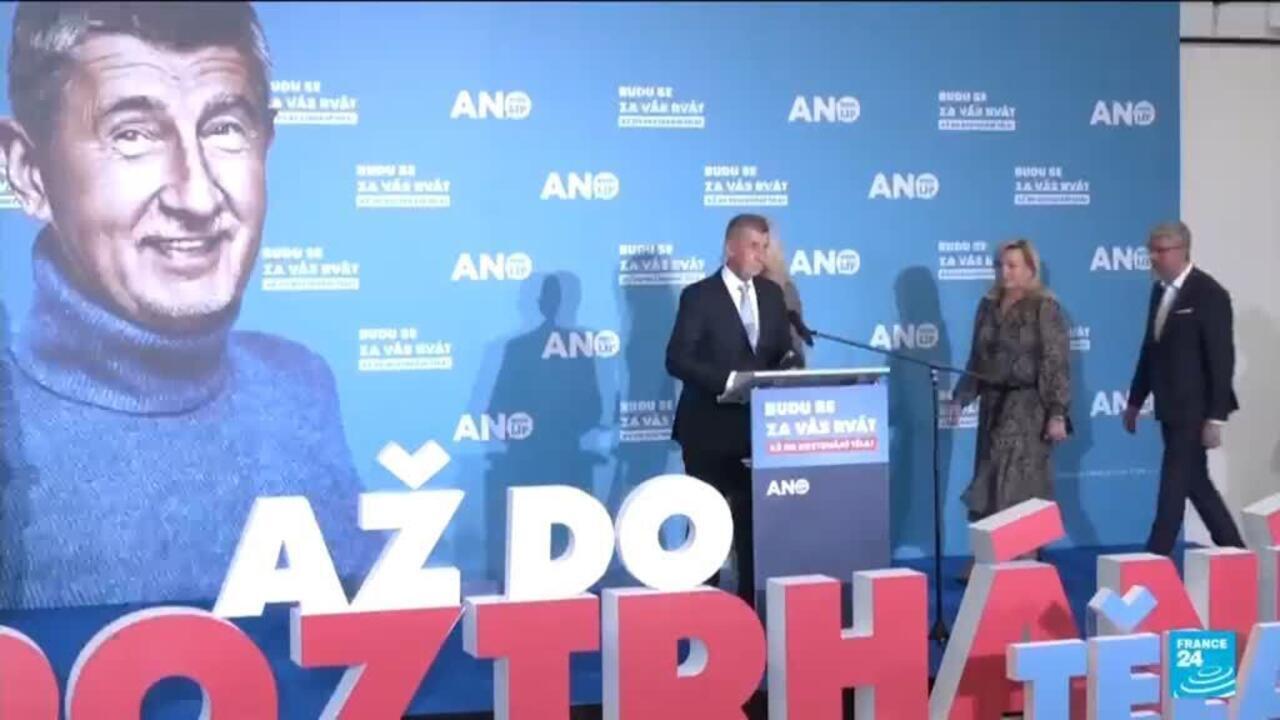
The Resurgence of Populism: Analyzing Andrej Babiš’s Projected Victory in Czech Elections
The political landscape of Central Europe is once again shifting,as current projections indicate a likely win for Andrej Babiš,the Czech billionaire and former Prime Minister,over a coalition advocating for closer ties with the West. This potential outcome marks another instance of a populist figure successfully engineering a political revival, a trend observed across the region in recent years. As of October 1, 2025, the implications of this election are being closely scrutinized, especially concerning its potential impact on support for Ukraine and the czech Republic’s relationship with the European Union.
Understanding Andrej Babiš and His Political trajectory
Andrej Babiš, a prominent figure in Czech business and politics, initially gained prominence as the founder of Agrofert, a vast conglomerate spanning agriculture, food processing, and chemicals. His entry into politics was marked by a populist platform centered on anti-corruption rhetoric and promises to challenge the established political order. Serving as Prime Minister from 2017 to 2021, Babiš’s tenure was often characterized by controversy, including allegations of conflicts of interest related to his business holdings and scrutiny over the use of EU subsidies.
Despite facing these challenges, Babiš has consistently maintained a strong base of support, particularly among rural voters and those feeling left behind by economic globalization. His political strategy hinges on appealing directly to these demographics, often bypassing traditional media outlets and utilizing social media to disseminate his message. This direct engagement has proven remarkably effective in mobilizing his electorate.
The Implications for Ukraine and European Solidarity
The potential return of Babiš to power raises significant questions about the future of Czech support for Ukraine. While Babiš has not explicitly called for an end to aid, analysts suggest his primary focus will be on securing EU funds for the Czech Republic, potentially leading to a more cautious approach to foreign policy.
Romain Le Quiniou, of Euro Créative, articulated this outlook in a recent interview with FRANCE 24, stating that babiš “entered politics for business and what he needs the most is EU funds, so he will not take a proactive opposition line to Brussels.” This suggests a pragmatic approach where maintaining access to EU funding will likely take precedence over staunchly advocating for a particular stance on Ukraine.
This shift in potential Czech policy aligns with a broader trend of growing skepticism towards unconditional support for Ukraine within some EU member states. Concerns over the economic impact of sanctions against Russia, coupled with domestic political pressures, are contributing to a more nuanced debate about the level and nature of assistance. A recent poll conducted by the Pew Research Center (August 2025) revealed a 10% decrease in public support for providing financial aid to Ukraine among EU citizens compared to the previous year.
The Wider Trend of Populist Comebacks in Central europe
Babiš’s projected victory is not an isolated event. It forms part of a larger pattern of populist leaders regaining influence in Central Europe. In Hungary, Viktor Orbán has maintained a firm grip on power for over a decade, consistently challenging EU norms and promoting a nationalist agenda. Similarly,in Poland,the Law and Justice party,despite losing power in 2023,continues to wield significant influence in the political discourse.
Several factors contribute to this trend. Economic anxieties, particularly in regions lagging behind Western Europe, create fertile ground for populist appeals. Concerns about national sovereignty and cultural identity also play a significant role, as do perceptions of a disconnect between political elites and the everyday concerns of citizens. The skillful use of social media and the ability to bypass traditional media gatekeepers further amplify the reach of populist messages.
Navigating a Fragmented Political Landscape
The rise of populism presents a complex challenge for the European Union. While populist governments are not necessarily opposed to EU membership, they often advocate for a more intergovernmental approach, prioritizing national interests over collective action. this can lead to friction on issues such as migration, rule of law, and foreign policy.
| Country | Current Political Trend | Key Populist Leader | Impact on EU Relations |
|---|