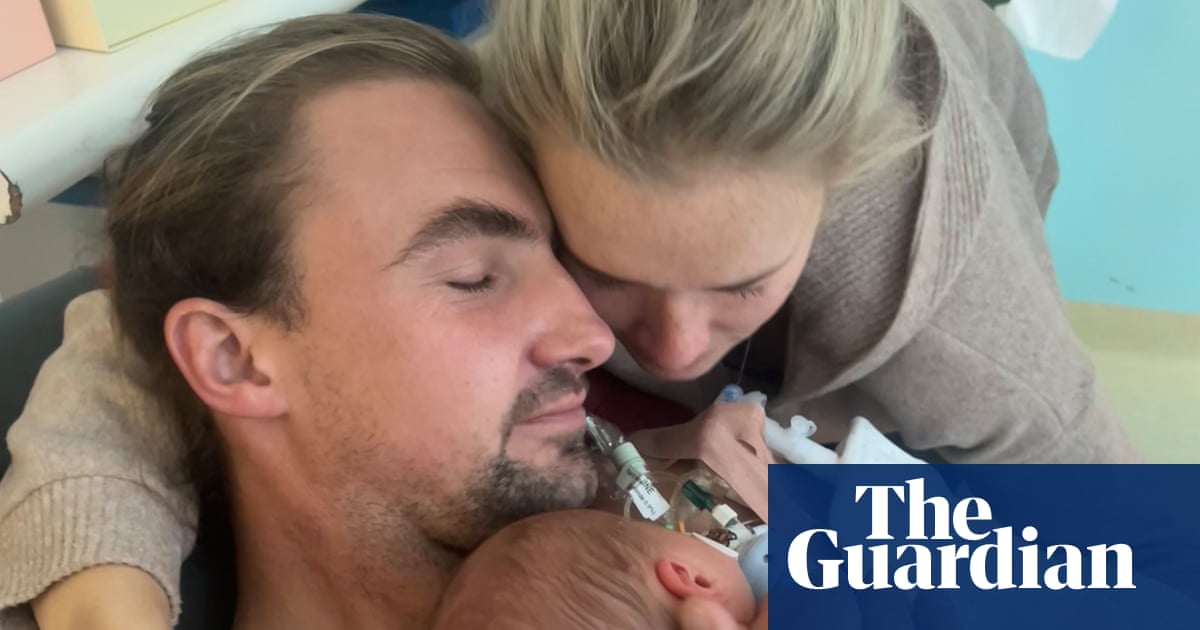
An inquest into the death of a seven-day-old baby has concluded that an NHS trust failed to warn a mother about the risks of a home birth that went against medical advice, contributing to the infant’s death.
Poppy Hope Lomas was born at her home in Enfield, north London, on 19 October 2022. She died a week later at University College Hospital in central London on 26 October 2022 following complications during the home birth. Her mother, Gemma Lomas, told the inquest that midwives from the Edgware Midwives team, part of the Royal Free London NHS Foundation Trust, had encouraged her to proceed with a vaginal delivery at home despite her previous caesarean section in 2018, which medical guidelines classify as a risk factor for uterine rupture.
The senior coroner, Andrew Walker, found that the trust agreed to support an “unsafe home delivery that was against medical advice” and failed to address “an accumulation of risk factors.” He stated that Poppy probably died from a lack of oxygen reaching her brain in the 30 minutes before birth. The inquest heard that Gemma Lomas experienced scar pain during labour, had been pushing for an extended period, and that Poppy showed two heart-rate decelerations—signs that should have prompted an emergency response.
Gemma Lomas said she had been given a checklist by midwives outlining potential warning signs, including scar pain, prolonged pushing, and abnormalities in the baby’s health. Looking back, she believes several of these red flags were ignored. She recalled saying, “There’s something wrong,” only to be told, “No, she’s fine, the baby’s fine.” She described seeing her baby with hands above her head, floating and lifeless, with blood coming from her mouth.
Poppy was taken to Barnet Hospital after birth, where she received therapeutic cooling—a treatment for newborns with brain injuries—before being transferred to University College Hospital. Despite medical intervention, she died a week after delivery. Gemma Lomas said she trusted the professionals guiding her and added, “We trusted the professionals who were guiding us,” expressing hope that lessons would be learned from the tragedy.
Understanding the Risks of Home Birth After Caesarean
A vaginal birth after caesarean (VBAC) carries specific risks, including uterine rupture, which can lead to severe complications for both mother and baby. According to guidelines from the Royal College of Obstetricians and Gynaecologists (RCOG), women considering VBAC should be assessed individually, taking into account factors such as the type of uterine incision, reason for the previous caesarean, and interval between pregnancies. Home birth is generally not recommended for VBAC due to the potential need for emergency intervention.
The RCOG advises that women with a prior caesarean should give birth in a setting where immediate access to emergency obstetric care, including blood transfusion and surgical delivery, is available. In cases where uterine rupture occurs, rapid delivery—ideally within 10 to 30 minutes—is critical to prevent hypoxic brain injury in the baby and life-threatening haemorrhage in the mother.
In Poppy’s case, the inquest heard that her mother had not been informed that her pregnancy and planned birth were high risk. Gemma Lomas stated she would never have made a decision to harm her baby or herself had she known the full extent of the risks. The coroner noted that the trust failed to recognise and appropriately manage complications following the high-risk home delivery.
Systemic Failures Identified in the Inquest
The inquest into Poppy Hope Lomas’s death revealed systemic shortcomings in how the Royal Free London NHS Foundation Trust supported her planned home birth. Senior coroner Andrew Walker concluded that the trust agreed to support an unsafe home delivery contrary to medical advice and RCOG guidance. He emphasized that the trust failed to address an accumulation of risk factors, including the mother’s uterine scar from a previous caesarean section.
Testimony showed that midwives did not act swiftly enough when warning signs emerged during labour. Gemma Lomas reported experiencing scar pain, prolonged pushing, and observing two heart-rate decelerations in the baby’s monitoring—all recognised indicators of potential distress. Despite these signs, she was reassured that both she and the baby were fine.
The coroner’s findings align with concerns raised by maternal health advocates about the importance of informed consent and risk communication in maternity care. Transparent discussion of risks, benefits, and alternatives is essential, particularly in higher-risk pregnancies, to allow parents to make decisions based on complete information.
Responses and Calls for Change
Following the inquest, Gemma Lomas spoke outside Barnet Coroner’s Court, saying, “Nothing will ever bring her back, but hearing the truth today acknowledged means everything to us.” She added that she hoped lessons would be learned to prevent similar tragedies. Her statement underscored the emotional toll of losing a child due to perceived failures in care.

The Royal Free London NHS Foundation Trust has not issued a public statement specifically addressing the inquest’s findings as of the date of this report. Though, the trust is subject to ongoing scrutiny regarding its maternity services, particularly in relation to home birth support and risk assessment protocols.
Maternal safety organisations have reiterated that home birth can be a safe option for low-risk pregnancies when properly planned and supported by qualified midwives with clear pathways to emergency care. However, they stress that risk factors such as prior caesarean section necessitate hospital-based delivery to ensure timely access to life-saving interventions.
The case highlights the need for consistent application of national guidelines across NHS trusts, robust training for maternity staff in recognising obstetric emergencies, and clear communication with families about the limitations of home birth in certain clinical circumstances.
Ongoing Implications for Maternity Care
While the inquest focused on the specific circumstances surrounding Poppy Hope Lomas’s death, it raises broader questions about how NHS trusts manage high-risk pregnancies and support informed decision-making in maternity care. The findings may contribute to ongoing reviews of home birth services within the Royal Free London NHS Foundation Trust and other similar organisations.
Healthcare regulators, including the Care Quality Commission (CQC), routinely inspect maternity services to assess safety, effectiveness, and responsiveness. Inspection reports and enforcement actions are published publicly and can be accessed via the CQC website. Families seeking information about local maternity services are encouraged to consult these official sources.
For individuals considering birth options, professional medical advice should be sought early in pregnancy. Midwives, obstetricians, and general practitioners can provide personalised risk assessments based on medical history and current health status. The NHS provides detailed guidance on pregnancy and childbirth through its official website, including information on VBAC, home birth eligibility, and when hospital delivery is recommended.
As of the date of this report, no further hearings or public inquiries into Poppy Hope Lomas’s case have been scheduled. The inquest concluded with the coroner’s findings, which are now part of the public record. Any future developments, such as regulatory actions or policy changes prompted by the case, would be announced through official channels.
If you have been affected by issues related to maternity care or wish to share your experience, you can provide feedback to the NHS through its formal complaints procedure or contact organisations such as Birthrights or the Maternal Mental Health Alliance for support and advocacy.
Worth a look
- 7.7-Magnitude Earthquake Hits Flores Region of Indonesia, Triggering Tsunami Warning
- Newborn Circumcision Does Not Increase Autism Risk, Study Finds
- How the Google Maps Algorithm Finds the Fastest Route (archynewsy.com)
- New PBS Lawsuit Shows Why You Should Not Completely Trust Cloud Storage (world-today-news.com)