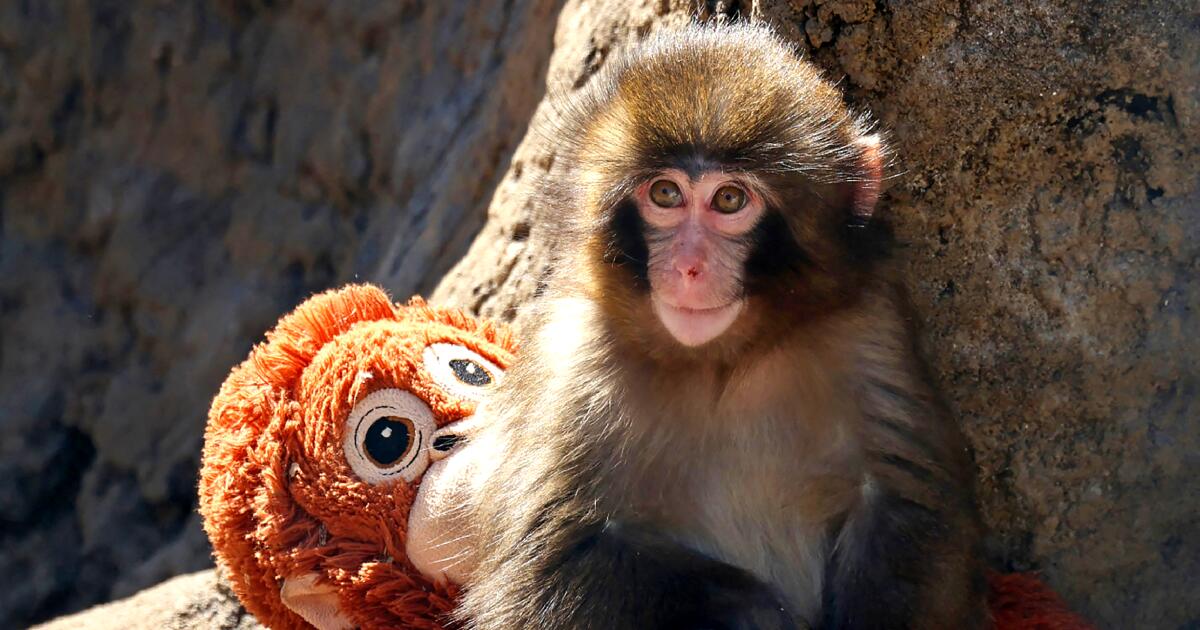
The internet has fallen in love with a tiny macaque monkey named Punch at the Ichikawa City Zoo, just outside of Tokyo, Japan. His story, one of initial rejection and a heartwarming search for connection, has resonated with millions across social media platforms like TikTok, prompting an outpouring of empathy and support. The tale of this vulnerable primate and his unwavering attachment to a large orangutan plush toy speaks to universal themes of loneliness, belonging, and the comfort found in unexpected places.
Punch’s journey began with hardship. Abandoned shortly after birth by his mother, he was initially raised by dedicated zookeepers. When reintroduced to the monkey enclosure, he faced a difficult reality: the other monkeys largely ignored or actively rebuffed his attempts to integrate. Videos documenting these early struggles quickly went viral, capturing the heartbreaking image of a small monkey seeking acceptance, only to retreat to the solace of his oversized plush companion. The Ichikawa City Zoo confirmed Punch’s early difficulties in a statement, acknowledging the staff’s efforts to provide care and support. CBS News shared footage of Punch and his toy, highlighting the global attention the story has received.
A Plush Surrogate and a Viral Sensation
The orangutan plush toy, gifted to Punch by zoo staff, quickly became a symbol of his story. Initially intended as a tool for muscle building, it unexpectedly filled a crucial emotional need, serving as a surrogate mother and a source of comfort. Footage of Punch clinging to the toy, dragging it around the enclosure, and seeking refuge in its embrace captivated viewers worldwide. The images tapped into a deep well of human emotion, with many viewers identifying with Punch’s feelings of isolation and longing. The story quickly spread beyond Japan, gaining traction on platforms like TikTok, where videos tagged with #punchthemonkey have amassed millions of views. CNN also covered the story, further amplifying its reach.
The response to Punch’s story has been overwhelmingly positive. Social media feeds are filled with messages of encouragement, memes expressing solidarity with the little monkey, and expressions of shared vulnerability. Many users have shared personal stories of feeling like “Punch,” struggling to find their place and seeking comfort in familiar objects. The viral nature of the videos has also drawn increased attention to the Ichikawa City Zoo, with visitors eager to see Punch in person. TMZ reported on the outpouring of support and the zoo’s response to the global phenomenon. TMZ’s coverage highlighted the widespread emotional connection people have formed with Punch.
The Universal Appeal of Comfort and Connection
The story of Punch resonates so deeply because it taps into fundamental human needs for connection, acceptance, and comfort. Psychologists have long recognized the importance of attachment objects – items that provide a sense of security and emotional regulation, particularly during times of stress or uncertainty. The attachment Punch has formed with his orangutan plush is a clear example of this phenomenon. The comfort he derives from the toy is not unique to monkeys; humans of all ages often rely on objects – blankets, stuffed animals, photographs – to provide a sense of grounding and emotional support.
The experience of seeking belonging and facing rejection is also universally relatable. As the original account poignantly observes, “Everyone knows what it’s like to feel small and bewildered as you circle a social group, seeking a way in, just as everyone knows what it’s like to be rejected by those whose approval we seek.” Punch’s resilience in the face of adversity – his continued attempts to interact with the other monkeys despite repeated rebuffs – is inspiring. His story reminds us that even in the face of disappointment, it’s important to keep trying and to never give up on the search for connection.
The Power of Transitional Objects
The role of the orangutan plush as a “transitional object” is particularly significant. Coined by British pediatrician and psychoanalyst Donald Winnicott, the term describes an object – often a soft toy or blanket – that helps a child transition from dependence on their mother to independence. These objects provide a sense of security and continuity, allowing children to explore the world with greater confidence. While Punch is not a human child, the underlying principle remains the same: the plush toy provides a source of comfort and stability in a challenging social environment. The toy acts as a buffer against anxiety and a reminder of care, allowing Punch to navigate his surroundings with a little more courage.
The story also highlights the primal need for touch and embrace. As the original article notes, “As he nestles into its body, we see the primal need most animals, including humans, have for touch, for embrace.” Physical affection is essential for emotional well-being, and the orangutan plush provides Punch with a substitute for the physical contact he craves. This need for touch is not limited to infancy; adults also benefit from physical affection, which can reduce stress, lower blood pressure, and promote feelings of connection.
Punch’s Progress and Future Outlook
Recent updates indicate that Punch is beginning to experience more positive interactions with the other monkeys at the Ichikawa City Zoo. While he still relies on his orangutan plush, he is increasingly being accepted by his peers, engaging in grooming and playful interactions. This progress is a testament to the patience and dedication of the zoo staff, as well as Punch’s own resilience. The zoo continues to monitor his development closely, providing him with the support he needs to thrive.
The story of Punch serves as a powerful reminder of the importance of empathy, compassion, and the universal need for connection. In a world often characterized by division and isolation, his story offers a message of hope and reminds us that even the smallest creatures can inspire us to be more kind, understanding, and accepting of one another. The Ichikawa City Zoo has not released a specific timeline for when Punch might outgrow his need for the orangutan plush, but for now, it remains a cherished companion and a symbol of his remarkable journey.
The Ichikawa City Zoo continues to provide updates on Punch’s progress through their official channels. For those interested in learning more about the zoo and its conservation efforts, you can visit their website. The zoo’s dedication to animal welfare and their commitment to providing a nurturing environment for Punch are commendable.
Key Takeaways:
- Punch, a baby macaque monkey at the Ichikawa City Zoo, captured hearts worldwide after being rejected by his mother and struggling to integrate with other monkeys.
- His attachment to an orangutan plush toy became a symbol of his search for comfort and connection, resonating with millions online.
- The story highlights the universal need for belonging, acceptance, and the role of transitional objects in providing emotional support.
- Punch is now showing signs of progress, experiencing more positive interactions with his peers, and continues to be monitored by zoo staff.
The story of Punch is ongoing, and we will continue to follow his journey as he navigates his social world and finds his place within the monkey troop. We encourage our readers to share their thoughts and experiences in the comments below. What does Punch’s story mean to you?
Keep reading