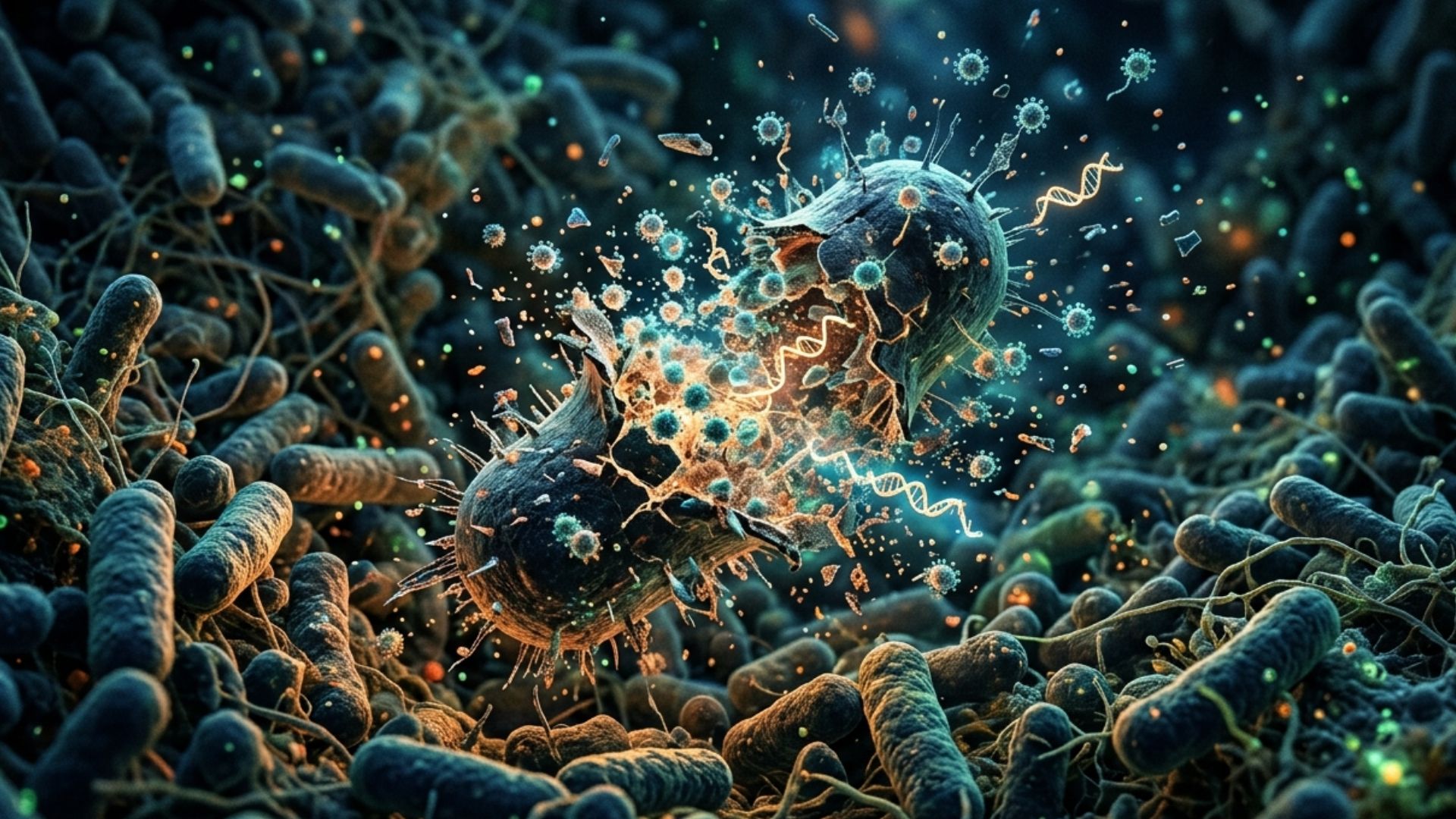
Recent research from the University of Cologne has identified a sophisticated survival mechanism in bacteria, revealing how individual cells sacrifice themselves to neutralize antibiotics for the benefit of the wider population. This study, published in the peer-reviewed journal Nature Communications, offers new insight into the biological processes behind antibiotic resistance, a growing global health concern that complicates the treatment of bacterial infections, according to the World Health Organization.
The Mechanism of Bacterial Altruism
The research team, led by scientists at the University of Cologne, observed that certain bacterial populations do not simply succumb to drug treatment. Instead, a subset of the population undergoes a process of programmed cell death. By breaking down, these dying bacteria release enzymes that degrade antibiotics in the immediate environment. This act of “altruism” effectively creates a protective buffer, allowing surrounding members of the colony to survive exposure to drugs that would otherwise be lethal.
This phenomenon demonstrates that bacterial resistance is not always a result of individual mutation or genetic adaptation alone. Rather, it can be a collective behavior where the colony functions as a coordinated unit. According to the research findings, this communal defense strategy explains why some infections persist despite the application of standard antibiotic treatments. The study highlights the complexity of bacterial survival strategies, which have evolved over millennia to withstand environmental stressors.
Implications for Antibiotic Resistance
Understanding this sacrificial behavior is critical for the future of medical science. Antibiotic resistance, often described by the Centers for Disease Control and Prevention (CDC) as one of the most urgent threats to public health, occurs when bacteria develop the ability to defeat the drugs designed to kill them. When bacteria evolve to protect their neighbors, traditional dosing regimens may prove insufficient, as the “altruistic” cells effectively dilute the drug’s concentration.
The University of Cologne study suggests that if researchers can find ways to inhibit this specific communication or death-signaling process, it might be possible to re-sensitize bacterial colonies to existing antibiotics. This approach would represent a shift from traditional drug development—which focuses on killing bacteria directly—toward a strategy of disrupting the cooperative behaviors that make bacteria resilient.
Why Collective Behavior Matters
In microbiology, the concept of the “bacterial colony” is increasingly viewed as a social network. Bacteria utilize chemical signaling, known as quorum sensing, to communicate their density and coordinate activities such as biofilm formation or the release of virulence factors. The findings from the Cologne team underscore that the decision to “sacrifice” a cell is a calculated, density-dependent response to environmental threats.
This research adds to a growing body of evidence indicating that individual bacterial cells are rarely operating in isolation. By viewing these microorganisms as cooperative entities, the scientific community may better predict how pathogens will respond to new pharmaceutical interventions. The next steps for the research team involve testing whether these findings hold true across different bacterial species, particularly those that pose the highest risk to human health, such as those responsible for hospital-acquired infections.
Future Research and Clinical Outlook
The scientific community continues to monitor how these behavioral insights influence drug development. While the discovery provides a clearer picture of how bacteria survive, translating this into clinical practice remains a long-term goal. Researchers are currently investigating whether adjuvant therapies—drugs administered alongside antibiotics to prevent the “altruistic” degradation of the medicine—could be a viable path forward.
As the global health landscape faces increasing pressure from drug-resistant strains, the work conducted at the University of Cologne serves as a reminder of the biological hurdles that must be addressed to preserve the efficacy of modern medicine. Ongoing updates regarding the development of these therapies will be documented in future publications as the research progresses through experimental trials. Readers interested in the latest developments in infectious disease control are encouraged to follow official updates from public health agencies and academic institutions as new data becomes available.
Keep reading