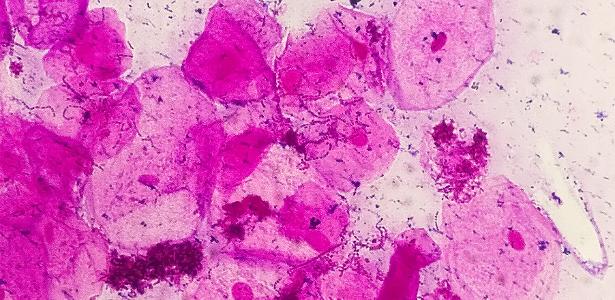
For many women, the sudden appearance of an unfamiliar odor or unusual discharge can trigger a wave of anxiety, embarrassment, and a frantic search for answers. These symptoms are often the hallmarks of bacterial vaginosis (BV), a condition that is frequently misunderstood as a traditional infection, but is more accurately described as a biological imbalance. As a physician with over a decade of experience in internal medicine and a passion for public health, I have seen how the stigma surrounding vaginal health often prevents women from seeking the precise care they need.
Bacterial vaginosis occurs when the delicate ecosystem of the vagina—the microbiome—loses its equilibrium. In a healthy state, beneficial bacteria, primarily from the Lactobacillus genus, dominate the environment, producing lactic acid that keeps the vaginal pH acidic. This acidity acts as a natural defense mechanism, preventing the overgrowth of harmful pathogens. When these protective bacteria decline, anaerobic bacteria take over, leading to the characteristic “fishy” odor and discharge associated with BV.
While antibiotics have long been the gold standard for treating acute episodes of BV, the medical community is increasingly focusing on what happens after the infection is cleared. The challenge lies in recurrence; many women find themselves trapped in a cycle of treatment and relapse. This is where the science of probiotics for bacterial vaginosis enters the conversation, offering a way to not just treat the symptoms, but to restore the underlying biological shield.
Recent innovations in pharmaceutical development, such as the introduction of specialized probiotic supplements like Zaila by Libbs Farmacêutica in the Brazilian market, signal a shift toward microbiome-focused therapy. By introducing specific, high-affinity strains of beneficial bacteria back into the system, clinicians aim to stabilize the vaginal flora and reduce the likelihood of future imbalances.
What Exactly is Bacterial Vaginosis?
Bacterial vaginosis is not a sexually transmitted infection (STI), though sexual activity can influence the vaginal environment. Instead, it is a dysbiosis—a disruption of the microbial community. In a balanced vaginal environment, Lactobacillus species maintain a low pH (typically between 3.8 and 4.5), which inhibits the growth of opportunistic bacteria. When this balance is disrupted, the population of Lactobacillus drops, and anaerobes—such as Gardnerella vaginalis—proliferate.
The symptoms are distinct but can vary in intensity. The most common sign is a thin, grayish-white discharge that often becomes more noticeable after intercourse or during menstruation, accompanied by a strong, fishy odor. According to the Centers for Disease Control and Prevention (CDC), BV is one of the most common causes of vaginal discharge in women of reproductive age.
The impact of BV extends beyond physical discomfort. The shift in flora can increase susceptibility to other infections and, in some cases, is linked to complications in pregnancy. Because the condition is so prevalent—with some regional reports suggesting it affects up to 25% of women in certain populations—understanding the transition from acute treatment to long-term maintenance is critical for women’s health.
The Science of Probiotics in Vaginal Health
Probiotics are live microorganisms that, when administered in adequate amounts, confer a health benefit on the host. In the context of vaginal health, the goal is “competitive inhibition.” By flooding the environment with beneficial Lactobacillus, these “good” bacteria compete with the anaerobic pathogens for space and nutrients, effectively crowding them out.
The primary mechanism of action is the production of lactic acid. By lowering the pH of the vaginal mucosa, probiotics recreate the acidic environment that anaerobes cannot tolerate. Certain strains of Lactobacillus produce hydrogen peroxide and bacteriocins—natural antimicrobial peptides—that actively inhibit the growth of harmful bacteria.

Clinical research has highlighted the importance of strain specificity. Not all probiotics are created equal; the strains found in yogurt or general gut-health supplements are often unable to survive the journey to the vaginal tract or colonize the area effectively. Specialized probiotics, such as those containing Lactobacillus crispatus, are often prioritized because this specific strain is naturally dominant in the healthiest vaginal microbiomes and is highly effective at maintaining low pH levels.
A meta-analysis published via the National Library of Medicine suggests that probiotic interventions can be a feasible method for the treatment and prevention of BV, particularly when used as a complementary therapy alongside standard medical treatments.
New Approaches to Microbiota Balance
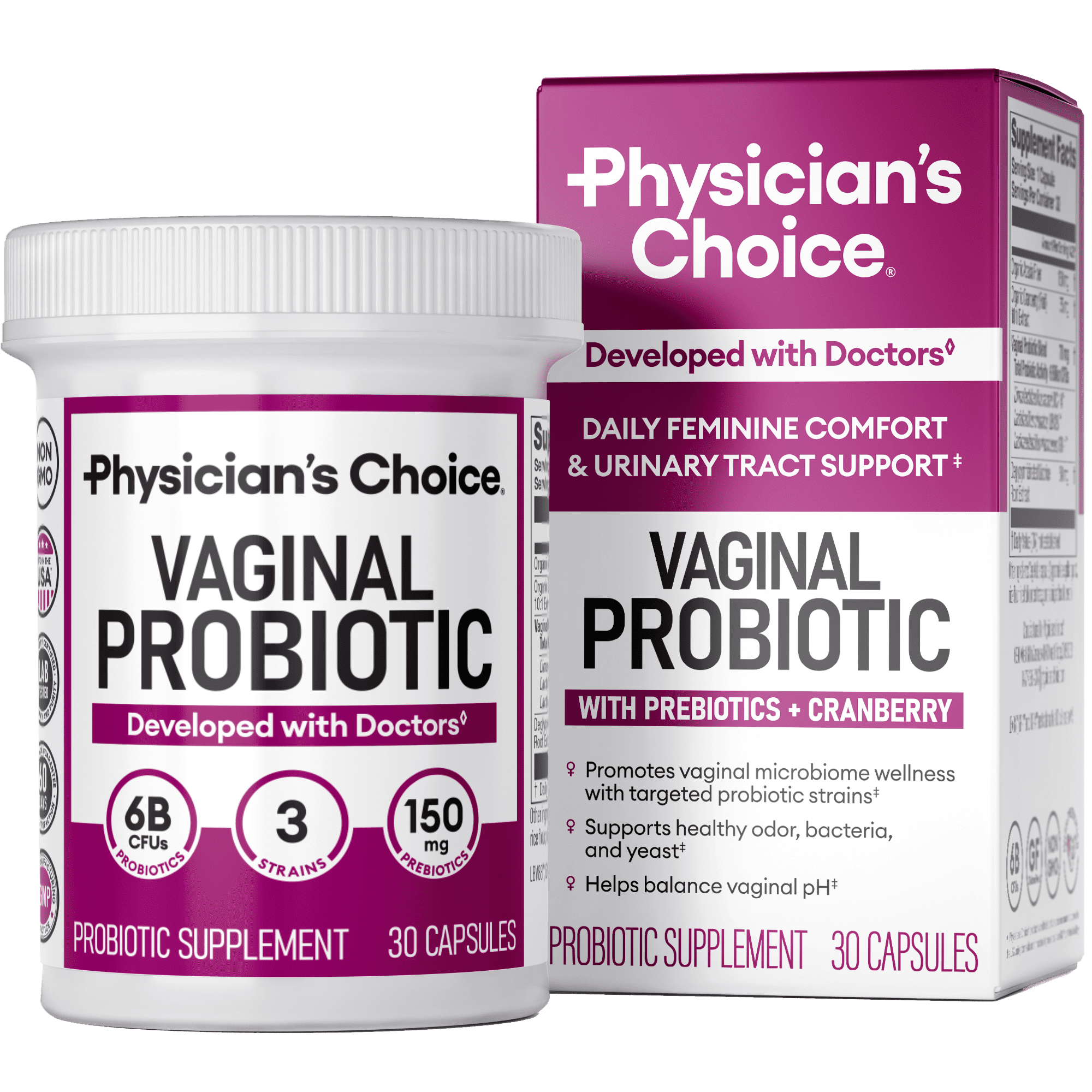
The pharmaceutical landscape is evolving to provide more targeted solutions for microbiome restoration. A notable example is the launch of Zaila by Libbs Farmacêutica, a probiotic supplement designed specifically to target the vaginal microbiota. Unlike general probiotics, these specialized supplements are formulated to support the specific biological needs of the vaginal ecosystem.
The introduction of such products addresses a significant gap in the current treatment paradigm. Traditionally, a woman would take an antibiotic to kill the “terrible” bacteria, but the antibiotic often kills the remaining “good” bacteria as well, leaving the vaginal environment vacant and prone to immediate re-colonization by pathogens. By introducing a targeted probiotic after or during treatment, the goal is to “reseed” the garden, ensuring the beneficial bacteria establish a dominant presence before the pathogens can return.
For women dealing with recurrent BV, this approach is particularly transformative. Recurrence rates for BV can be high, often leading to frustration and a perceived failure of medical treatment. Moving the focus from “killing the infection” to “restoring the ecosystem” represents a more sustainable approach to feminine hygiene and reproductive health.
Managing Recurrence and Long-term Health
While probiotics offer a promising tool for stability, they are not a substitute for a professional medical diagnosis. It is vital that women do not attempt to self-diagnose “malodorous discharge” as BV, as these symptoms can overlap with other conditions, including trichomoniasis or other STIs, which require entirely different medical interventions.
To maintain a healthy vaginal microbiome and reduce the risk of BV, medical professionals generally recommend several lifestyle adjustments:
- Avoid Douching: Douching removes the natural flora and disrupts the pH balance, making the vagina more susceptible to BV.
- Use Mild Soaps: The vagina is self-cleaning. Using harsh, scented soaps or “feminine hygiene” sprays can irritate the mucosa and alter the chemical balance.
- Breathable Clothing: Wearing cotton underwear and avoiding overly tight clothing helps reduce moisture buildup, which can influence microbial growth.
- Consultation on Antibiotics: Since systemic antibiotics can wipe out beneficial vaginal bacteria, discussing probiotic support with a doctor during a course of antibiotics can help prevent secondary BV episodes.
The integration of targeted probiotics into a broader health strategy allows for a personalized approach to care. Depending on the frequency of episodes and the specific microbial profile of the patient, a physician might recommend a short-term course of probiotics or a longer-term maintenance regimen to ensure the Lactobacillus population remains robust.
Frequently Asked Questions
Can I just eat yogurt to treat BV?
While yogurt contains probiotics, the strains found in food-grade products are typically designed for the digestive system (like Lactobacillus acidophilus or Bifidobacterium) and may not be the most effective strains for vaginal colonization. Specialized vaginal probiotics are formulated with specific strains, such as Lactobacillus crispatus, that are better suited for the vaginal environment.

Do probiotics cure BV on their own?
In most acute cases, probiotics are used as an adjuvant therapy—meaning they are used alongside antibiotics. While they are highly effective at preventing recurrence and restoring balance, a severe overgrowth of anaerobic bacteria usually requires an initial antibiotic treatment to clear the infection before probiotics can effectively colonize the area.
Is BV contagious?
BV is not classified as a sexually transmitted infection, but it is associated with sexual activity. It is caused by an imbalance of bacteria already present in the body, rather than a pathogen passed from one person to another in the way a virus or fungus is.
How long does it take for probiotics to work?
The timeline varies depending on the individual’s existing microbiome. Some women notice an improvement in odor and discharge within a few weeks, while others may require a longer course of supplementation to achieve a stable, long-term colony of beneficial bacteria.
The shift toward microbiome-based health is one of the most exciting developments in modern internal medicine. By understanding that the body is an ecosystem rather than a collection of isolated organs, we can move toward treatments that are more harmonious with our natural biology. For those struggling with the cycle of bacterial vaginosis, the combination of professional medical guidance and targeted probiotic support offers a path toward lasting comfort and confidence.
If you are experiencing symptoms of BV, the next step is to schedule a consultation with a healthcare provider for a proper swab test and diagnosis. Following a diagnosis, you can discuss whether a targeted probiotic regimen is appropriate for your specific health needs.
Do you have questions about vaginal health or your experience with microbiome supplements? Share your thoughts in the comments below or share this article with someone who might find it helpful.
Keep reading